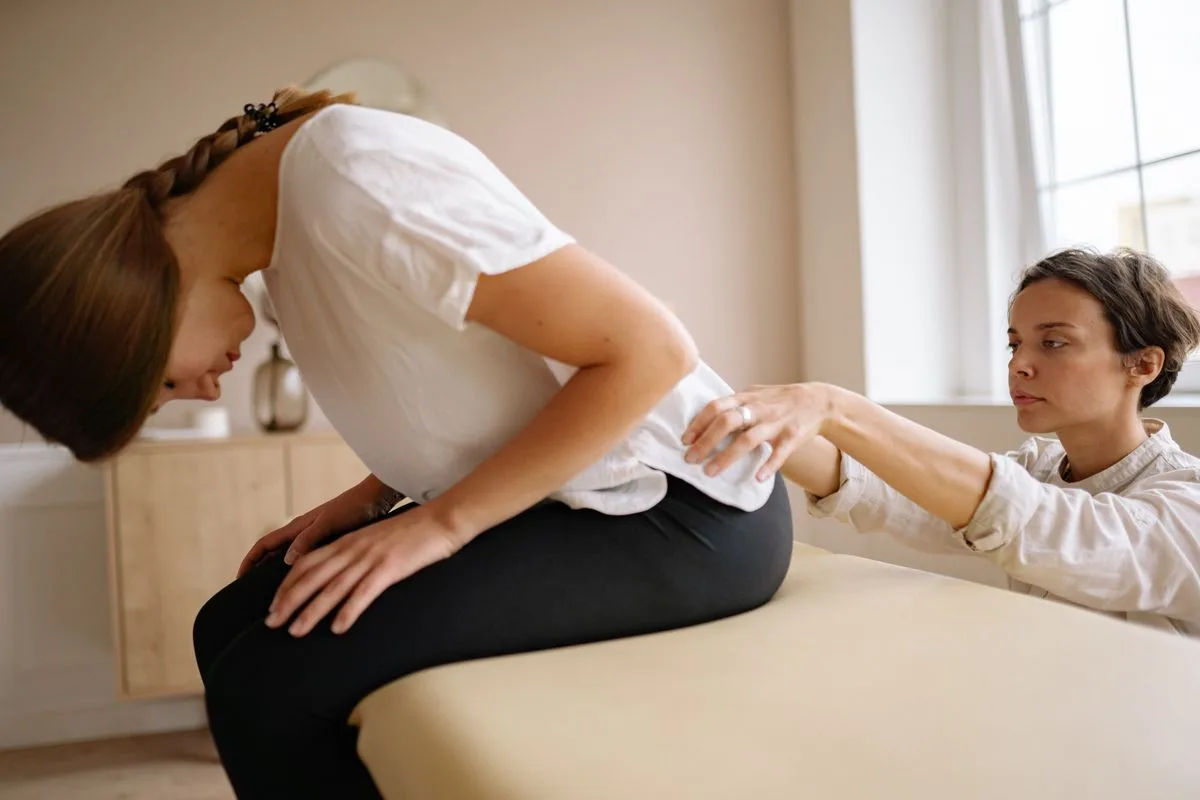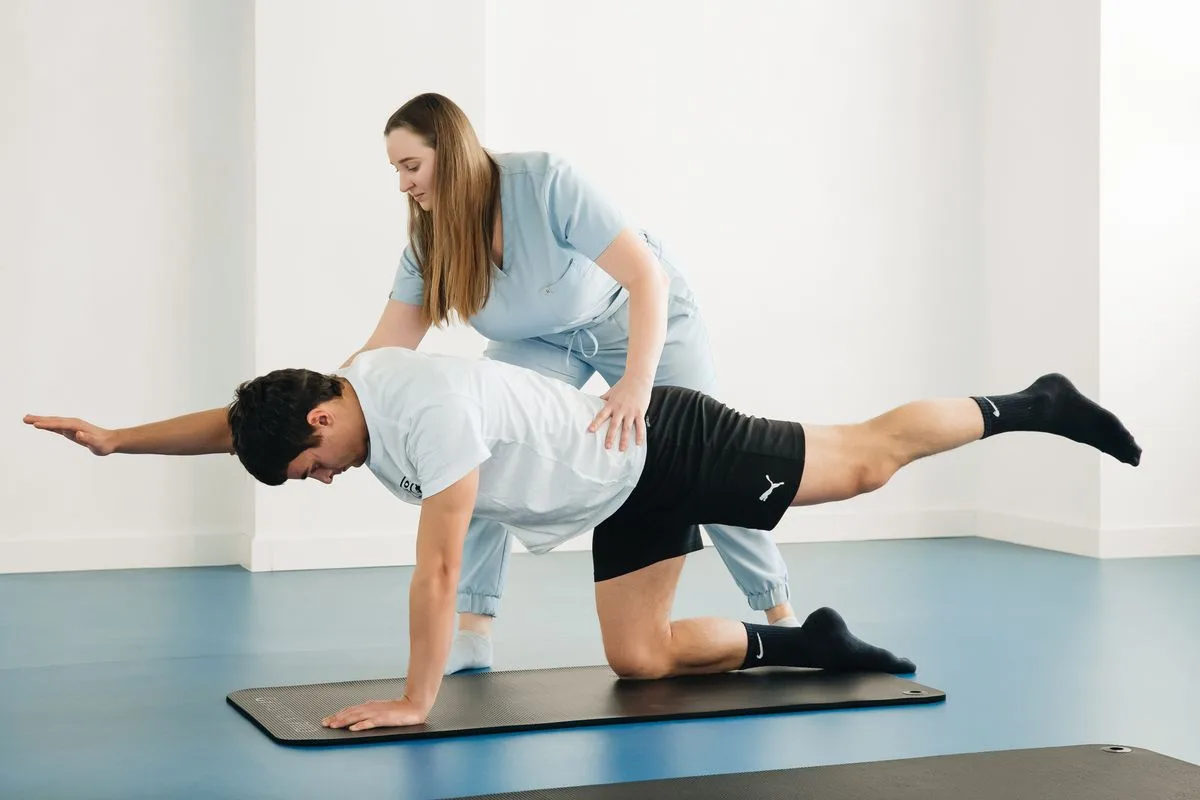
Pelvic Floor Therapy addresses the muscles that control bladder function, core support, and pelvic pain, issues too many people are told to simply live with.

Pelvic Floor Therapy is physical therapy for the muscles that sit at the base of your pelvis, supporting your bladder, bowel, and reproductive organs while also playing a key role in core stability. These muscles can become dysfunctional in two different directions. They can weaken, contributing to leaking with a cough, a sneeze, or a workout, or to a feeling of pressure or heaviness low in the pelvis. Or they can become too tight and guarded, contributing to pelvic pain, pain with intercourse, or tailbone pain that will not resolve. A pelvic health physical therapist evaluates which pattern is present through a conversation about your symptoms, an external assessment of posture and breathing mechanics, and, when appropriate and always with your full understanding and consent beforehand, an internal assessment that allows the therapist to feel exactly which muscles are involved. From there, treatment might include manual therapy, targeted strengthening or relaxation exercises, biofeedback, and breathing retraining. This is common ground for pregnancy and postpartum recovery, for pelvic organ prolapse, and for pelvic pain conditions that general physical therapy does not typically address.
This work requires training beyond a standard physical therapy degree. A pelvic health therapist completes additional coursework and mentored practice specifically in pelvic anatomy, internal assessment technique, and the sensitivity this kind of care demands. Every step of a session, especially anything internal, is explained in full before it happens, and nothing proceeds without your clear consent. You are always in control of the pace, and you can stop or ask questions at any point. That combination of clinical precision and genuine patient comfort is what makes this specialty different from general orthopedic physical therapy, and it is why so many patients say they finally feel heard.
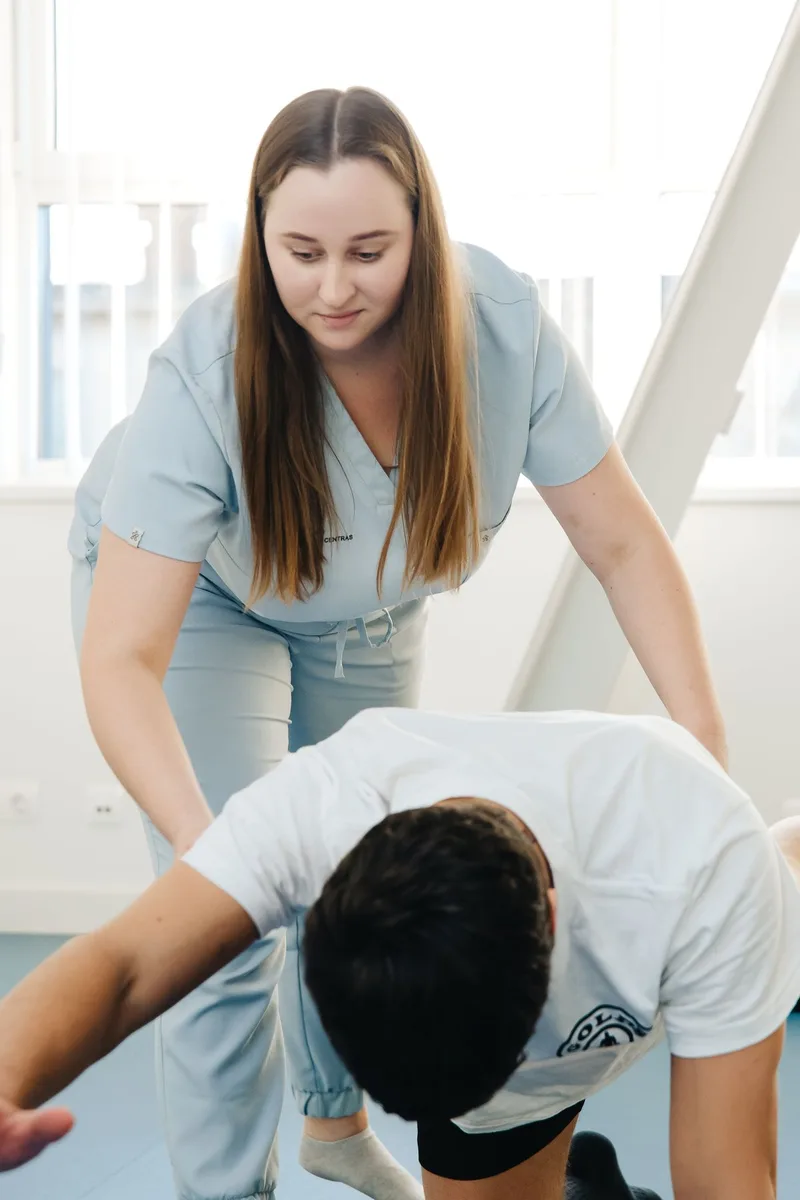
Pelvic Floor Therapy is for anyone whose pelvic muscles are contributing to pain, leaking, or pressure that is affecting daily life. These are the situations we see most often.
Pregnancy and delivery change the pelvic floor, whatever kind of delivery you had. We help rebuild strength and coordination in these muscles, address scar tissue, and guide a safe return to exercise on a timeline that matches how your body is actually healing, not a generic six-week clearance handed to everyone alike.
Urinary incontinence is common, but it is not something you have to accept as normal. We assess pelvic floor strength and coordination and build a targeted plan so a laugh, a jog, or a jump does not come with worry attached anymore.
Pain with sitting, with intercourse, or in the tailbone or pubic region often traces back to pelvic floor muscles that are too tight rather than too weak. We evaluate carefully and treat the actual pattern, not a generic core program that only makes things worse over time.
Pelvic Floor Therapy sessions start with conversation and always move at your pace. Here is how a typical plan comes together.
We start by talking through your history, symptoms, and goals in a private setting. Your therapist assesses posture, breathing, and external muscle function first, and explains what internal assessment would involve and why, before anything further is discussed.
Treatment may include external manual therapy, targeted exercise, biofeedback, and, only with your understanding and agreement, internal assessment or treatment to address specific muscles that external work cannot fully reach. You are informed of each step before it happens and can pause or stop at any time.
You leave each session with specific exercises for strengthening, relaxation, or coordination, whichever your pattern requires. Sessions progress as your symptoms improve, building toward the activities, exercise, or daily function that brought you in.
Any internal assessment or treatment is always explained fully in advance and proceeds only with your clear consent. You are in control throughout every session, and you can ask questions, take a break, or stop at any point without needing to explain why.
My therapist, Dr Julia Miller, is so thorough and knowledgeable, I'm confident I'll reach my goals!
Pelvic floor care here is provided by clinicians with dedicated pelvic health training, including Samantha Maher, OT, pelvic floor therapist, Dr. Erin Johnas, DPT, and Valerie Nichols, PT. Plans may include hands-on manual therapy, and Dr. Johnas and Valerie Nichols are also trained in dry needling.
Book a private pelvic floor evaluation through our Portsmouth physical therapy clinic, Dover clinic, or Epping clinic. No referral needed in New Hampshire.

Real, one-on-one care that treats the cause of your pain and gets you back to moving.

Precise trigger point release to quiet muscle knots and break pain cycles.

The most common reason people find us. We treat the cause, not the symptom.