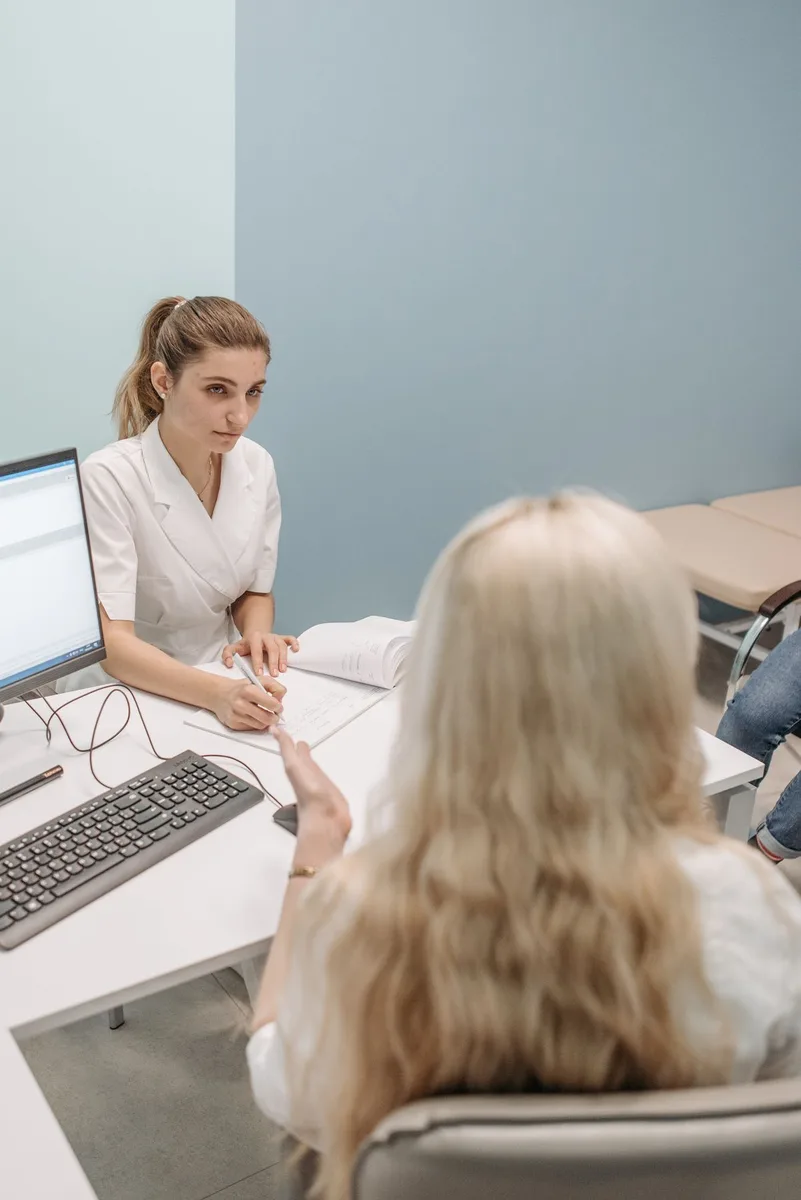
Pregnancy brings major changes to your body, from shifting posture and abdominal pressure to changes in your pelvic floor, core, and joints, which can lead to back pain, pelvic discomfort, bladder leakage, and difficulty staying active. Whether you're preparing for pregnancy or recovering after delivery, the right support can help.
At Ability Allies, our personalized physical and occupational therapy programs are designed to support your body before and after pregnancy. We help you prepare for the physical demands of pregnancy, maintain strength and mobility, and safely rebuild core and pelvic floor function after delivery so you can return to everyday activities with greater confidence.
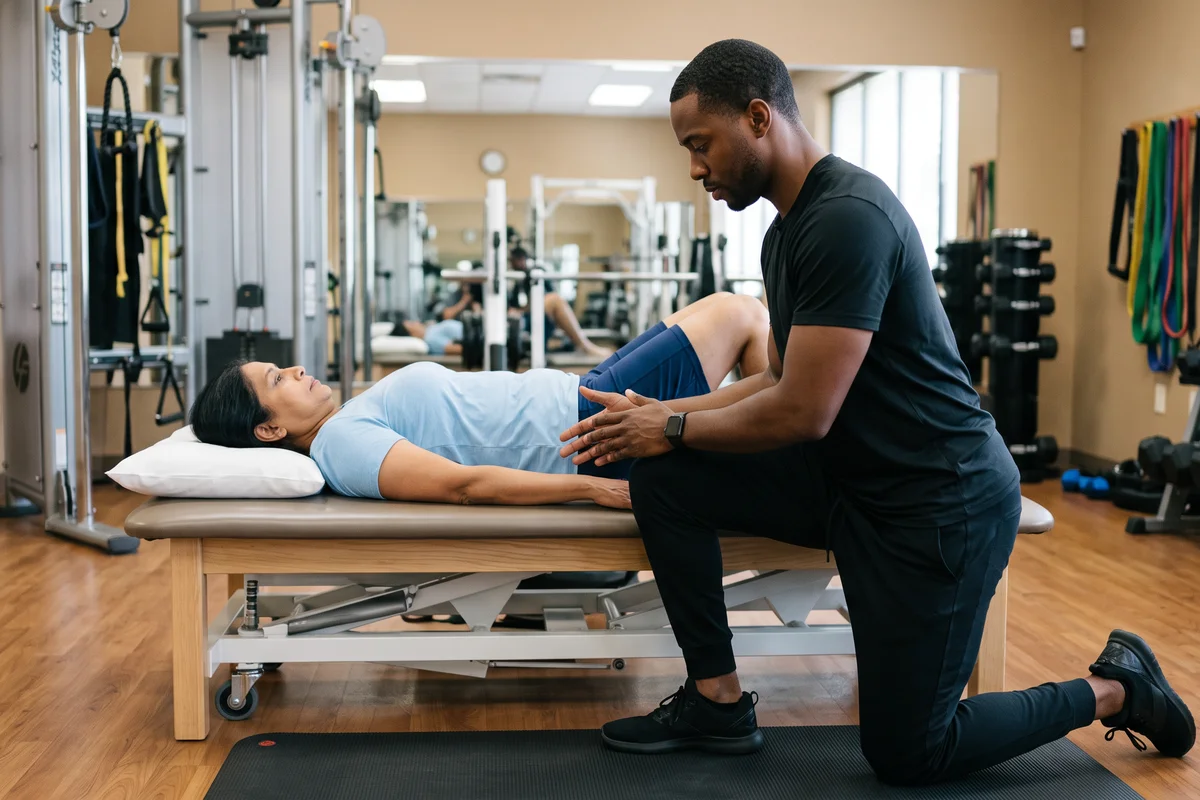
Our customized programs help prepare your body for the physical demands of pregnancy by improving core strength, pelvic stability, mobility, posture, and movement control. Exercises are adjusted to your stage of pregnancy and individual needs to help you stay active and comfortable.
Pregnancy-related back, hip, and pelvic pain can make everyday movement difficult. We use hands-on techniques, therapeutic exercises, and movement modifications to reduce discomfort, improve mobility, and help you move more comfortably throughout pregnancy.
Pregnancy and childbirth can affect pelvic floor and abdominal muscle function. We use targeted exercises to improve pelvic floor coordination, rebuild deep core strength, address weakness, and support better control during everyday activities.
After delivery, we help you safely rebuild strength and gradually return to the activities you enjoy. Treatment may include diastasis recti rehabilitation, pelvic floor strengthening, functional exercises, and progressive activity strategies to help you regain confidence in your body.
You can begin physical and occupational therapy before pregnancy or at any stage during pregnancy. Starting earlier can help you address existing concerns, build strength, and learn strategies for managing the physical changes that come with pregnancy.
The right timeline to return to exercise after giving birth depends on your delivery, recovery, symptoms, and individual goals. We help you gradually rebuild strength and progress toward the activities you want to return to while monitoring how your body responds.
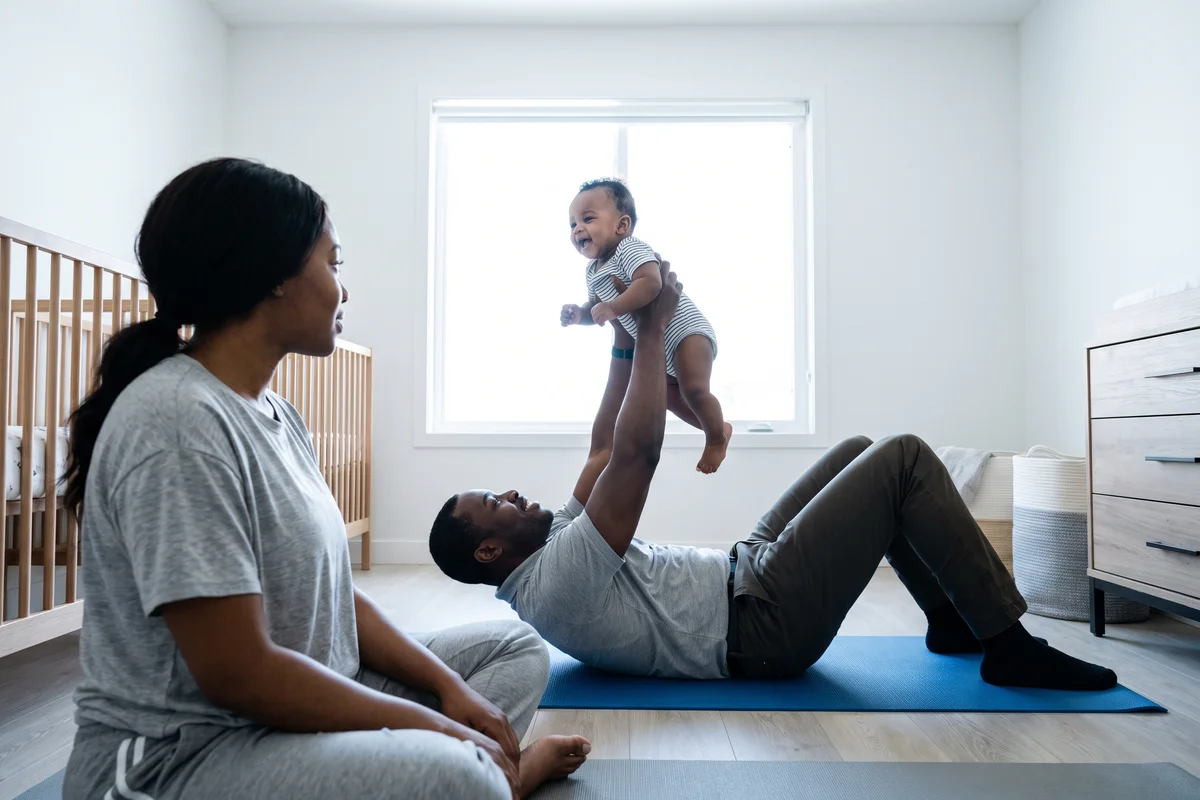
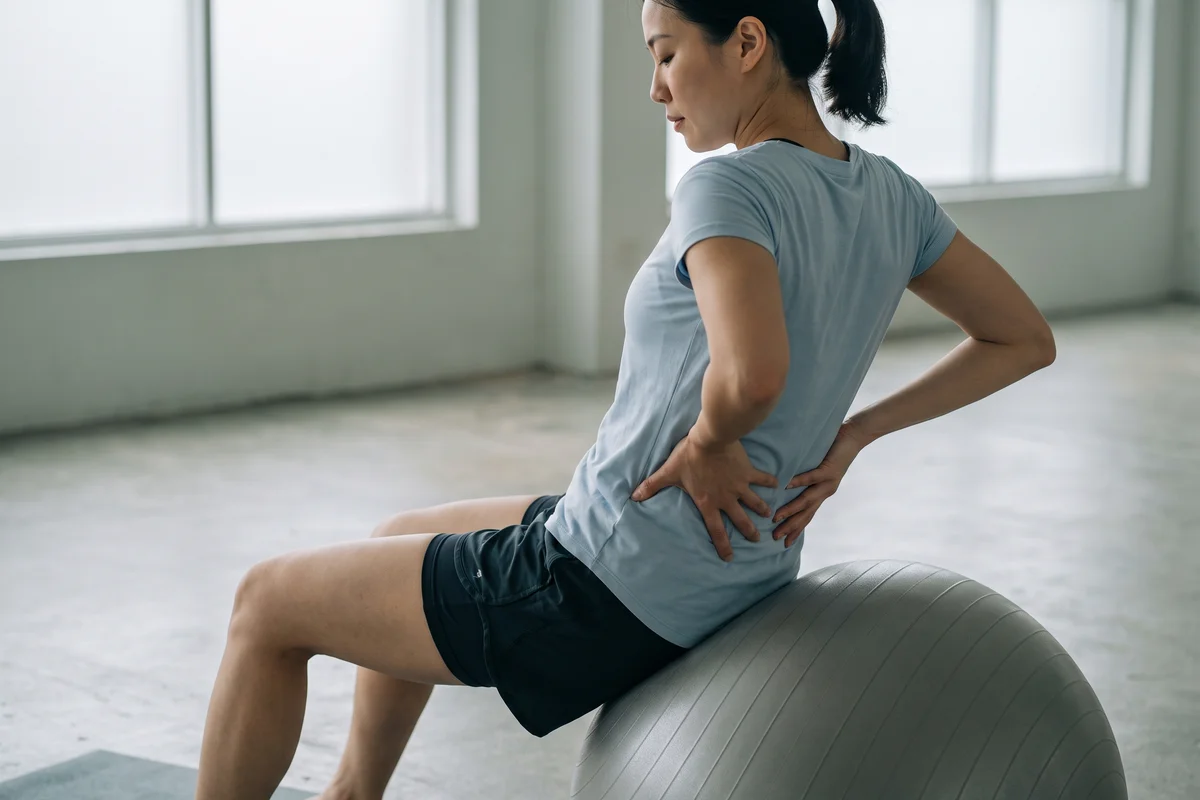
At Ability Allies, we use proven, individualized methods to help you stay comfortable during pregnancy and rebuild strength after delivery. Our multifaceted approach combines hands-on techniques, targeted exercises, pelvic floor rehabilitation, and practical movement strategies to support your body through every stage of pregnancy and postpartum recovery. You don't have to navigate these physical changes alone. Whether you're preparing your body for pregnancy, managing discomfort during pregnancy, or working to regain strength after delivery, our team is here to support you.
We evaluate your posture, core and pelvic floor function, and mobility at your current stage of pregnancy or recovery. You leave with a clear, personalized plan.
We combine hands-on techniques with targeted exercise and pelvic floor rehabilitation to reduce discomfort and rebuild strength, adjusted to your stage of pregnancy or postpartum recovery.
We progressively rebuild strength and guide you back toward the activities you enjoy, monitoring how your body responds every step of the way.
Convenient location right off route 125 with a nice welcoming atmosphere when you walk in. You'll immediately feel taken care of.
Pelvic floor therapy and manual therapy support your body before and after birth, and occupational therapy supports daily function through pregnancy and postpartum.
Ability Allies has clinics in Portsmouth, NH, Dover, NH, and Epping, NH. Call (603) 770-0408 about pregnancy and postpartum care and we will match you with the right therapist and location. No referral needed in New Hampshire.

Pelvic health therapy that supports your body before conception, complementing other fertility care.

Common after childbirth, and very treatable with the right pelvic floor rehabilitation.

Bladder leakage after pregnancy is common, and pelvic floor therapy can meaningfully improve it.