(603) 770-0408 · 68A Fogg Rd
Ability Allies

Pelvic Organ Prolapse in Seacoast, NH

A feeling of heaviness or pressure low in your pelvis can be unsettling, especially if you have been told to simply live with it. Pelvic floor dysfunction and prolapse respond well to the right hands-on care and targeted strengthening.

01What Causes It

What causes pelvic floor dysfunction and pelvic organ prolapse?

Pelvic organ prolapse happens when the muscles, ligaments, and connective tissue that normally support the bladder, uterus, or rectum weaken or stretch, allowing one or more of these organs to descend toward or into the vaginal canal. Pelvic floor dysfunction more broadly refers to muscles that are too weak, too tight, or too uncoordinated to do their job well. Both are common, both are treatable, and neither means your only options are surgery or simply living with the symptoms.

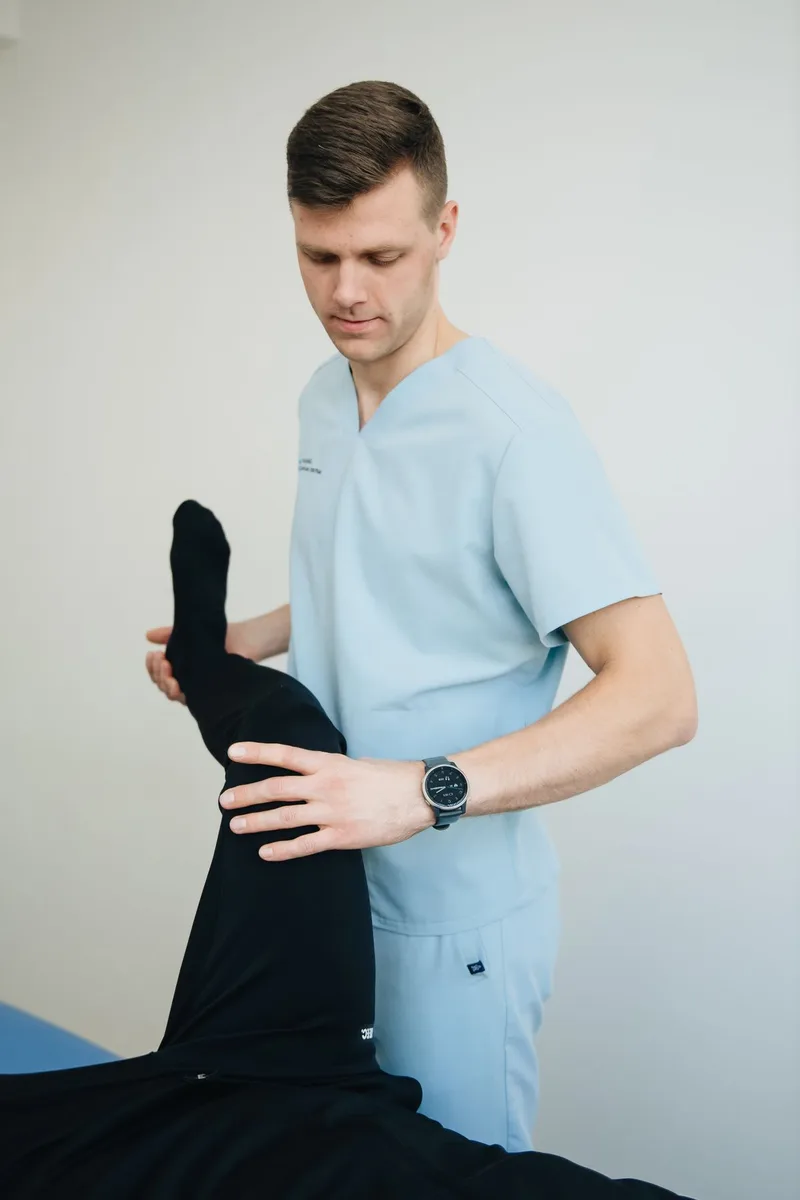
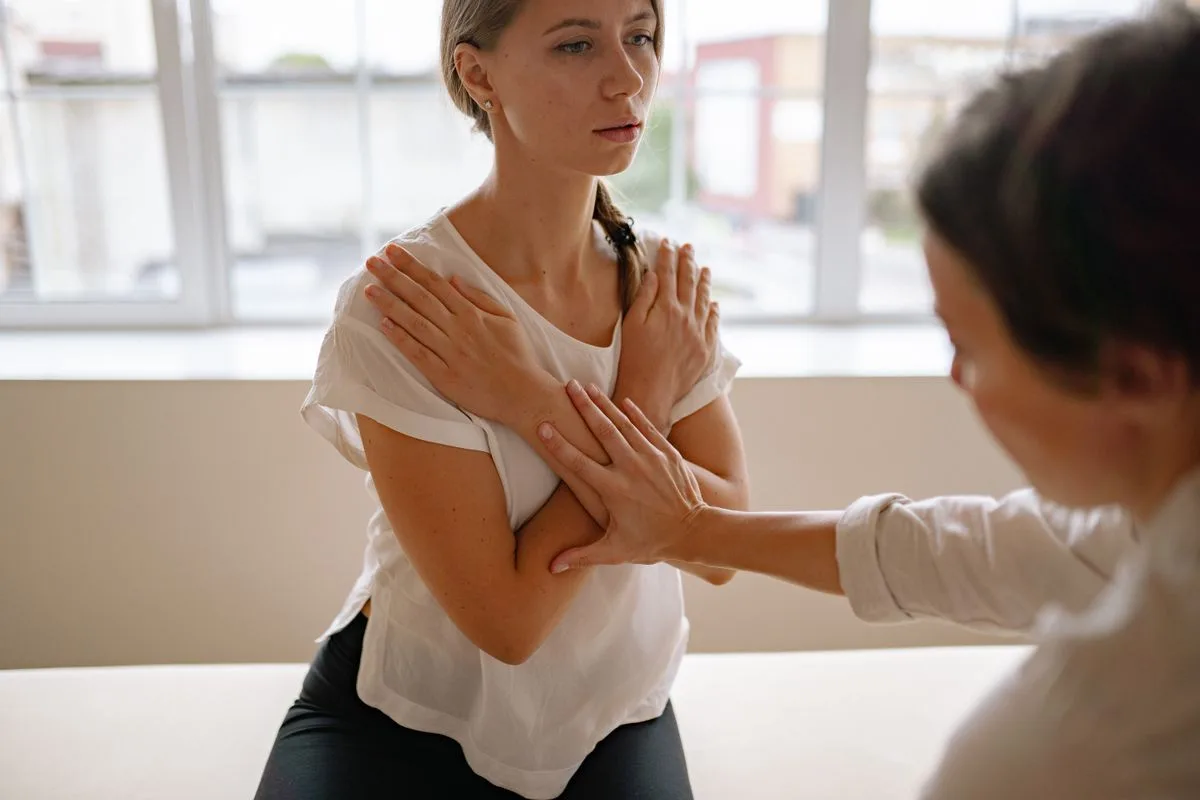
Physical therapist assessing a patient for pelvic floor dysfunction and pelvic organ prolapse at Ability Allies in Seacoast, NH

The stretching and pressure that occur during vaginal delivery, especially with prolonged pushing, multiple deliveries, or a larger baby, can weaken the tissues that support your pelvic organs. This is a common and well-understood cause of prolapse, and it is one that responds well to guided pelvic floor rehabilitation.

Repeated increases in abdominal pressure, whether from straining on the toilet, a chronic cough, or improper technique with heavy lifting, gradually stress the pelvic floor's support system over months and years. Addressing these habits alongside strengthening reduces ongoing strain on already vulnerable tissue.

Declining estrogen after menopause reduces the elasticity and support of pelvic tissue, which is why prolapse symptoms sometimes appear or worsen years after childbirth rather than immediately following it. This tissue-level change is part of why the condition is common and nothing to feel embarrassed about.

Pelvic floor dysfunction is not always about weakness alone. Sometimes the muscles are simply not firing in the right order or with the right timing to provide support during activity. Retraining that coordination is often as important as building raw strength.

Holding your breath during exertion, or standing and sitting in a posture that increases downward pressure on your pelvic organs, adds ongoing strain to a support system that may already be compromised. Learning to manage this pressure is a simple, teachable skill that makes a real difference.
Therapist treating a patient for pelvic floor dysfunction and pelvic organ prolapse at Ability Allies in Seacoast, NH
02How PT Helps

How physical therapy in Seacoast helps.

Pelvic floor dysfunction and prolapse are treated with the same hands-on, whole-body approach used throughout pelvic health physical therapy. Your evaluation starts with a conversation about your symptoms, and any internal assessment of pelvic floor muscle strength, coordination, or support is explained in full and only performed with your consent. From there, treatment often combines manual therapy to address tension or restriction, biofeedback to help you feel and control muscles that are hard to sense, and a progressive strengthening program built specifically for the pelvic floor, deep core, and hips. Breathing mechanics matter too, since how you manage pressure during lifting, exercise, or even everyday tasks changes the load on your pelvic organs. For many women, this conservative approach meaningfully reduces the sensation of heaviness or pressure and improves day-to-day function, whether or not further medical treatment is also part of the plan. You are guided every step by a therapist trained specifically in pelvic health.

03What To Expect

What to expect from your recovery.

01

A thorough, consent-based evaluation

We discuss your symptoms and history, and explain exactly what an assessment of pelvic floor strength and coordination involves before anything happens. Nothing proceeds without your full understanding and consent.

02

Manual therapy and muscle retraining

We address tension or restriction through hands-on techniques and use biofeedback to help you feel and control pelvic floor muscles that are difficult to sense on your own.

03

Progressive strengthening for lasting support

We build strength through the pelvic floor, deep core, and hips, and coach breathing and lifting mechanics that reduce pressure on your pelvic organs. You leave with a plan for daily life, not just the clinic.

Pelvic Floor Symptoms

Common pelvic floor and prolapse symptoms.

Prolapse and pelvic floor dysfunction often show up as a feeling of heaviness, dragging, or pressure in the vagina or pelvis that is worse at the end of the day or after standing or lifting. Some people feel or see a bulge. Others notice bladder leaks, difficulty fully emptying the bladder or bowel, or discomfort with intercourse. Symptoms often ease when lying down. Pelvic floor therapy can help manage these symptoms and improve support, and it pairs well with care for incontinence when leaking is part of the picture.

When to see your physician promptly

Contact your physician promptly if you notice bleeding, a bulge that cannot be pushed back in or becomes painful, an inability to pass urine, or fever with pelvic pain.

In Their Words
The dedicated staff at Ability Allies takes their time to address your concerns and works with you to help you reach your goals.
Kelsea · Pelvic Organ Prolapse · Google review
Your Next Step

From pelvic heaviness to lasting support.

Pelvic floor therapy builds strength and coordination in the muscles that support your pelvic organs, with manual therapy for tension or restriction and postural realignment to reduce downward pressure.

Ability Allies has clinics in Portsmouth, NH, Dover, NH, and Epping, NH. Call (603) 770-0408 about pelvic floor symptoms and prolapse and we will match you with the right therapist and location. No referral needed in New Hampshire.

Related Conditions

Pain rarely travels alone.

Request an Appointment

Ready when you are.

Epping HoursMon–Fri 8am–7pm, Sat–Sun Closed
Walk-insCall ahead
ClinicsPortsmouth · Dover · Epping
Book your evaluation. Same-week appointments available.
Step 1 of 6
First things first. What's your name?
We'll need a name to book you in.
Best number to reach you?
A phone number lets us confirm same-day.
And your email?
We'll send your confirmation here.
What questions do you have about your pelvic floor symptoms?
A few words is all we need.
Which clinic works best for you?
Pick the clinic you'd like to visit.
Look right? Send it.
✓
Request received.

We'll call within business hours to lock in your time.

Book Now