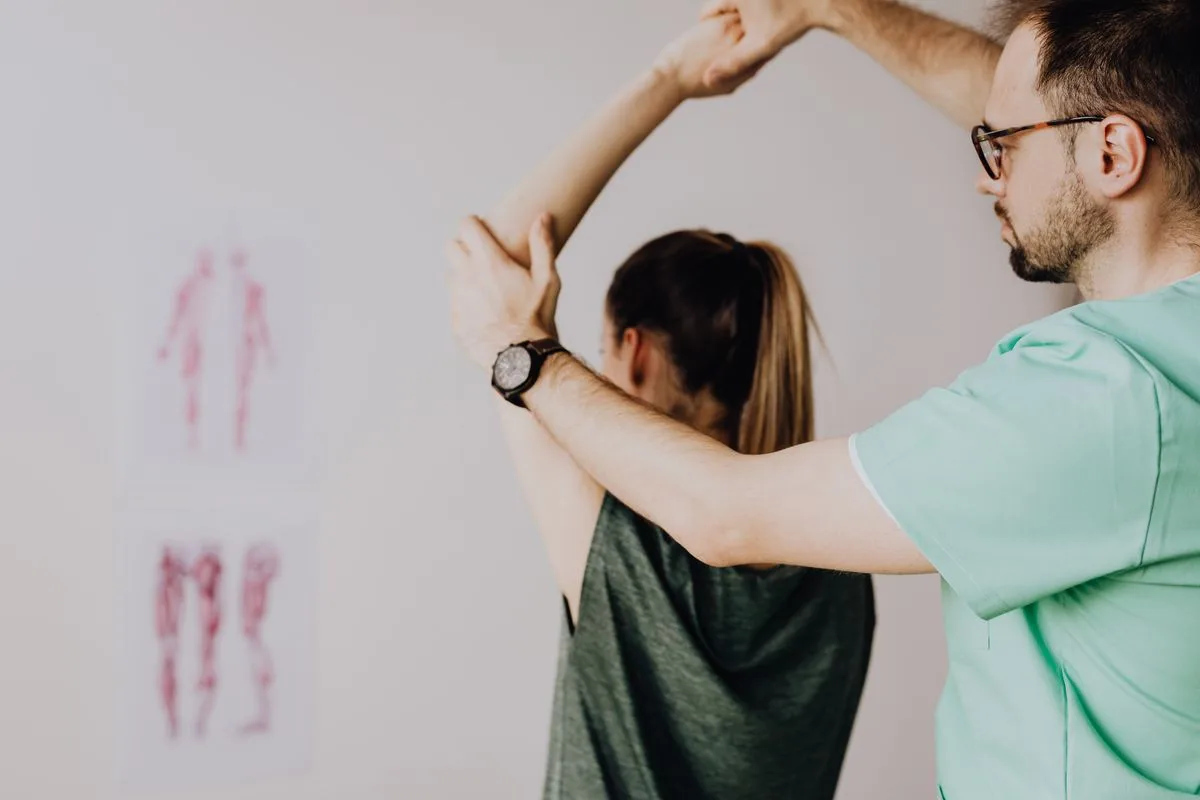
You have rested it, stretched it, and waited for it to pass. If the pain keeps deciding what you can and cannot do, one evaluation is where the plan finally changes.
Back pain rarely has a single villain. It builds from how you move, how you sit, and how the structures of your spine share load over years. Understanding the real driver behind your pain is the first step to actually fixing it, not just quieting it for a weekend.
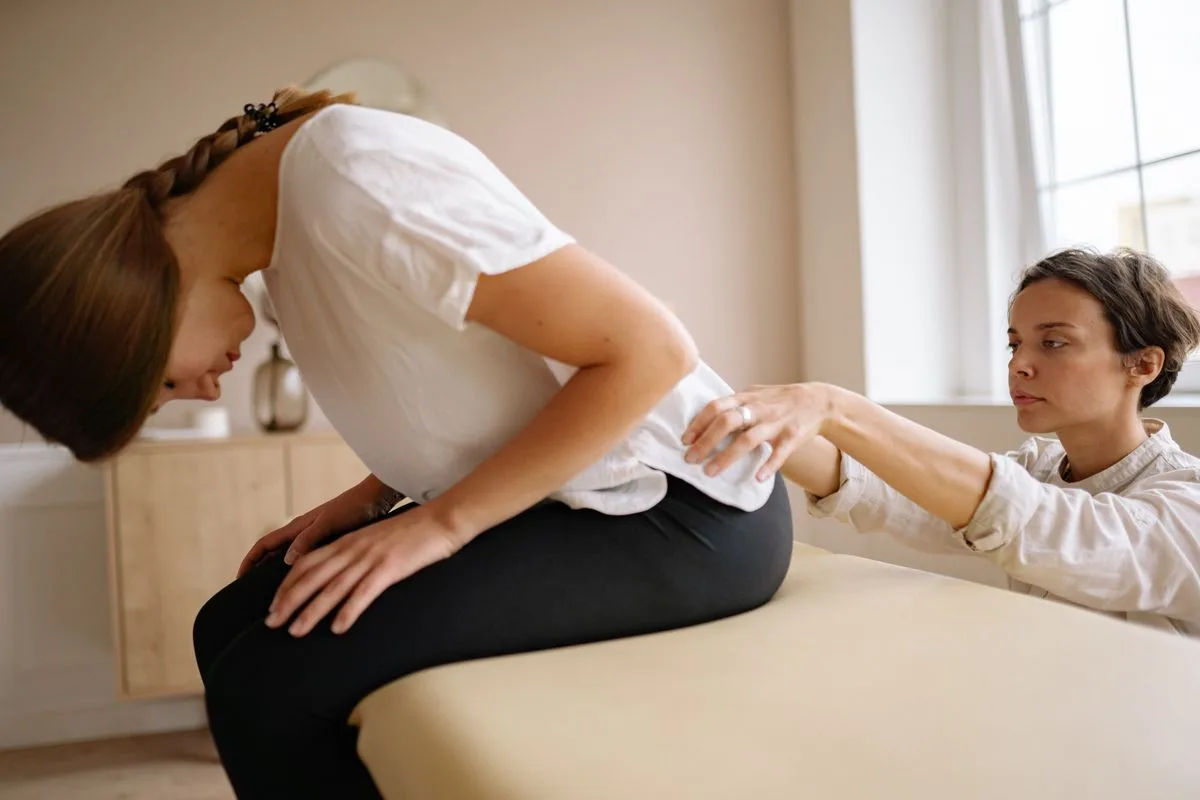
When the soft center of a spinal disc pushes through its outer wall, it can press directly on nearby nerves. That pressure is what sends pain, and sometimes numbness, down into the hip, buttock, and leg. Many people feel it most when they bend forward, sit for long stretches, or cough. The good news is that discs respond well to the right loading and movement, and surgery is rarely the first answer.
Sciatica is a symptom, not a diagnosis. It describes the sharp, electric pain that travels along the sciatic nerve from the low back through the glute and down the leg. The nerve can get irritated by a disc, a tight muscle, or a narrowing in the spine. Pinpointing the exact source is the whole game, because the fix for a disc looks nothing like the fix for a tight, overworked hip.
Your spine depends on the muscles around it to share the load. When the deep core and hip muscles switch off or fall out of balance, the low back ends up absorbing forces it was never meant to handle alone. Over time that overload turns into stiffness, spasms, and pain. Rebuilding coordinated strength through the trunk and hips takes the pressure off the structures that keep flaring up.
Modern life keeps us folded into chairs for hours, and the low back pays the bill. Sustained sitting loads the discs, shortens the hip flexors, and lets the postural muscles go quiet. It is rarely one bad moment that causes the pain. It is thousands of small hours in the same position. Changing how you sit, move, and break up your day is often a bigger lever than any single stretch.
Discs lose water and height as the years pass, and the joints of the spine work harder as a result. This is a normal part of aging, and it shows up on scans of plenty of people with zero pain. Degeneration itself is not a life sentence. The aim is to keep the surrounding muscles strong and the joints moving well, so the spine stays resilient and comfortable at any age.
Sometimes it is obvious: a heavy lift with a rounded back, an awkward twist, a slip that jars the spine. The tissues get overloaded faster than they can adapt, and they protest. Acute strains are painful but usually settle quickly with the right early movement instead of prolonged rest. The bigger goal is learning to load, lift, and move so the same injury does not keep finding you.
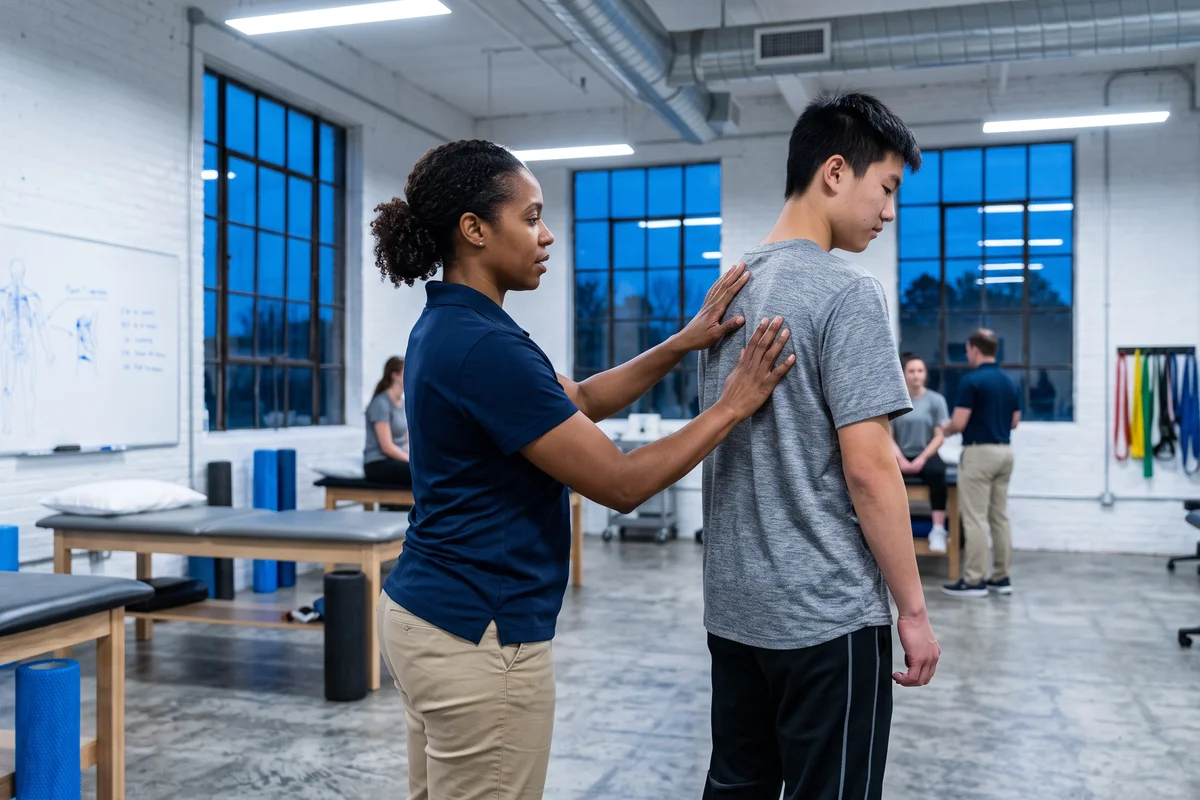
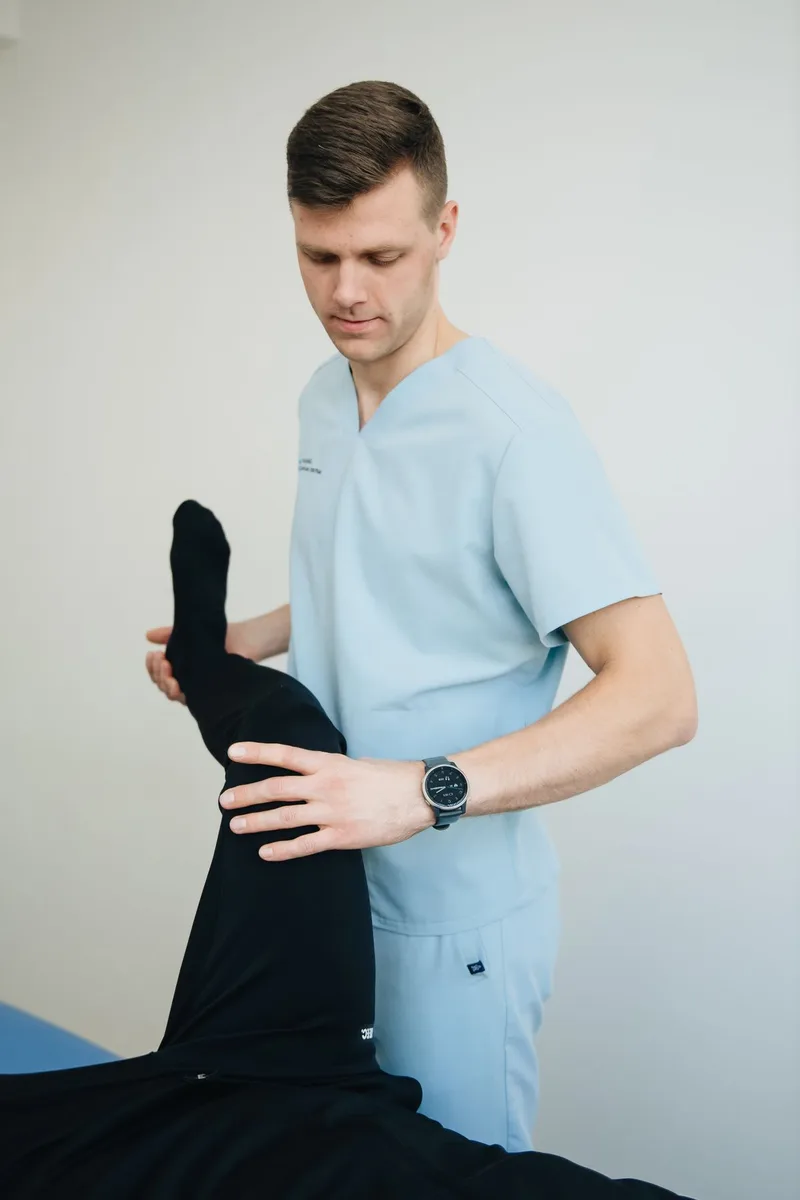
Here is the part most people never hear: back pain is one of the most treatable conditions we see, and it almost never needs to start with imaging, injections, or surgery. A skilled physical therapist finds the true source of your pain through a hands-on evaluation, then builds a plan that addresses it directly. Early on, that means calming the pain and getting you moving again with manual therapy and targeted, gentle movement. As things settle, the focus shifts to rebuilding the strength and control your spine needs to hold up to real life. You are not handed a generic sheet of stretches and sent on your way. Every session is one on one with your therapist, and the plan changes as you do. The result is not just less pain today. It is a back that can handle sitting, lifting, and living without flaring up the moment you let your guard down.
Your first visit is a full hands-on assessment. We watch how you move, test where the pain comes from, and rule out anything that needs a referral. You leave with a clear explanation of what is driving your symptoms and an honest timeline for recovery.
Next we get to work relieving pain and restoring movement. Manual therapy, targeted mobility, and gentle loading calm the irritated tissues so you can move with confidence again. Every technique has a reason, and we tell you what it is.
As the pain settles, we rebuild. Progressive strengthening for your core, hips, and back teaches your spine to handle load the way it was built to. This is the phase that keeps the pain from coming back once you leave.
Sciatica describes pain, tingling, or numbness that follows the path of the sciatic nerve, from the low back or buttock down the back of the leg and sometimes into the foot. For many people the leg pain is worse than the back pain. It is most often linked to an irritated nerve root from a disc bulge or herniation, narrowing around the nerve as the spine ages, or tight, overworked muscles deep in the buttock. Many cases improve with conservative care, and an accurate assessment of the source is what makes that care work.
Physical therapy for sciatica starts by finding the positions and movements that ease your leg symptoms, then calms the irritated nerve with manual therapy, gentle nerve mobility work, and activity changes that keep you moving without flaring it. As symptoms settle, we rebuild core and hip strength so the spine can handle load again. For tingling or numbness elsewhere in the body, see nerve pain.
Get medical care immediately if back pain or sciatica comes with numbness in the groin or inner thighs, new trouble controlling your bladder or bowels, or leg weakness that is getting worse. These can signal serious nerve compression that needs urgent evaluation.
Relief. I found relief here. Reverse lordosis with severe foraminal narrowing pinched the nerve, causing significant pain.
Depending on what your evaluation finds, treatment may include manual therapy, dry needling for guarded muscles, and spinal manipulation for stiff spinal joints, always paired with progressive strength work.
Get evaluated for back pain and sciatica at our Portsmouth physical therapy clinic, Dover clinic, or Epping clinic. No referral needed in New Hampshire.

When the hips and knees stop sharing load well, the low back often takes the hit. We treat the whole chain.

Stiff, aching joints that limit your day. We restore the mechanics first, then build the strength.

Tension that starts in the neck and spine can drive stubborn headaches. Relief starts with the source.