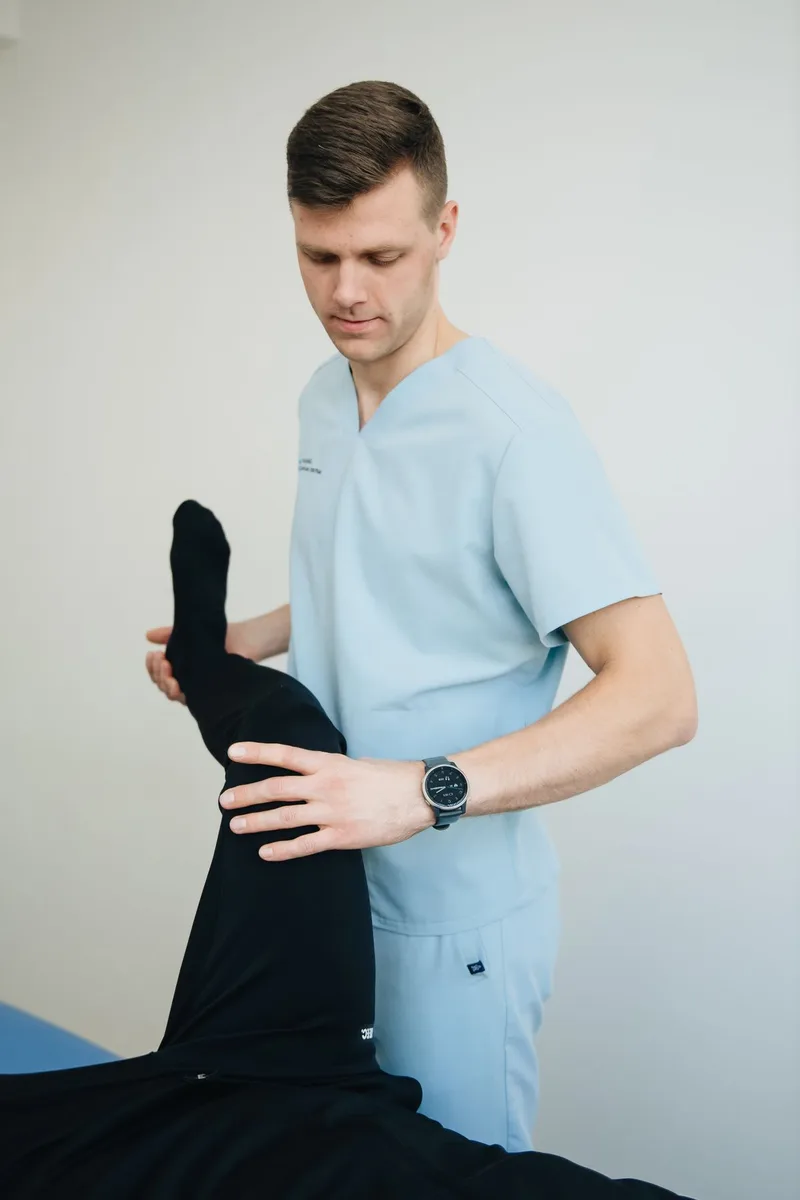
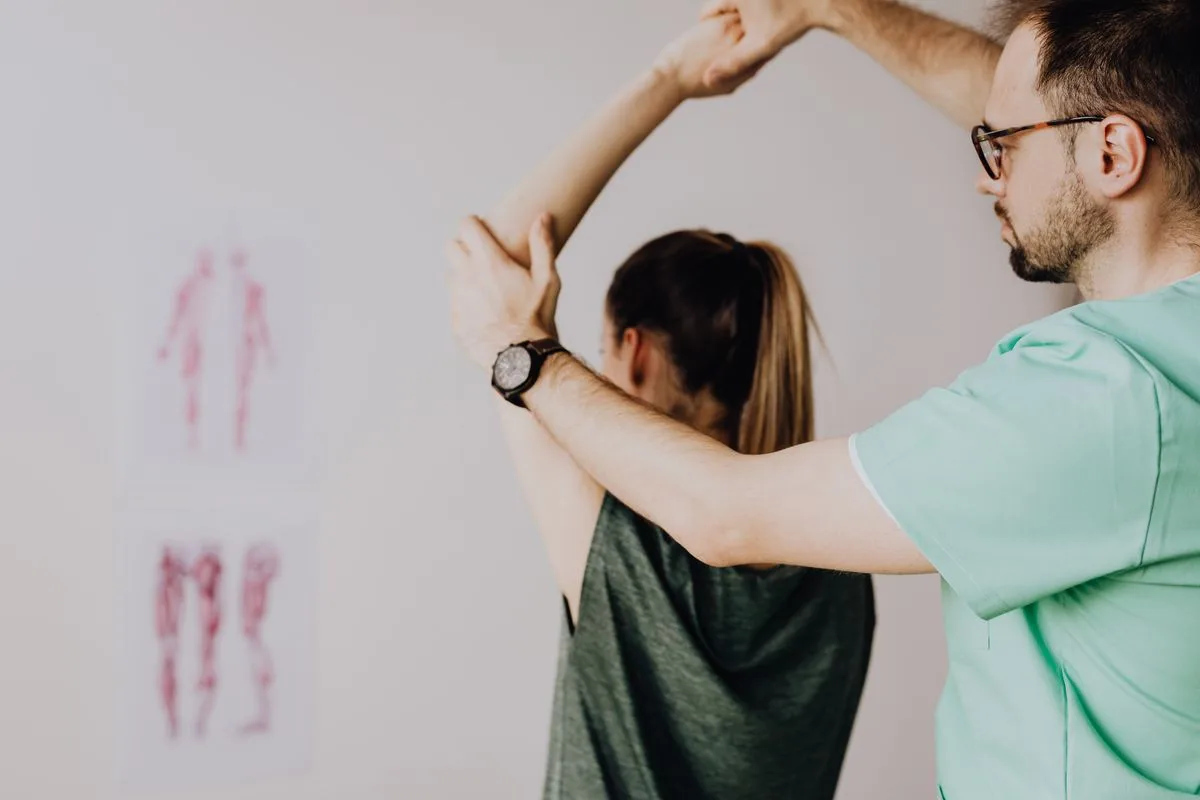
Pain in the pubic or groin area, especially during pregnancy, postpartum, or with certain movements, is often dismissed as something to push through. It has real causes, and real, hands-on treatment options.
Pubic pain often centers on the pubic symphysis, the joint at the front of your pelvis where the two pelvic bones meet, or on the muscles and connective tissue surrounding it. It can show up during pregnancy as the joint loosens and shifts to prepare for delivery, after childbirth as those changes settle back, or independently of pregnancy from muscle imbalance, overuse, or pelvic floor tension. Because so many structures converge in this small area, pinpointing the actual source of your pain is the key to treating it well.
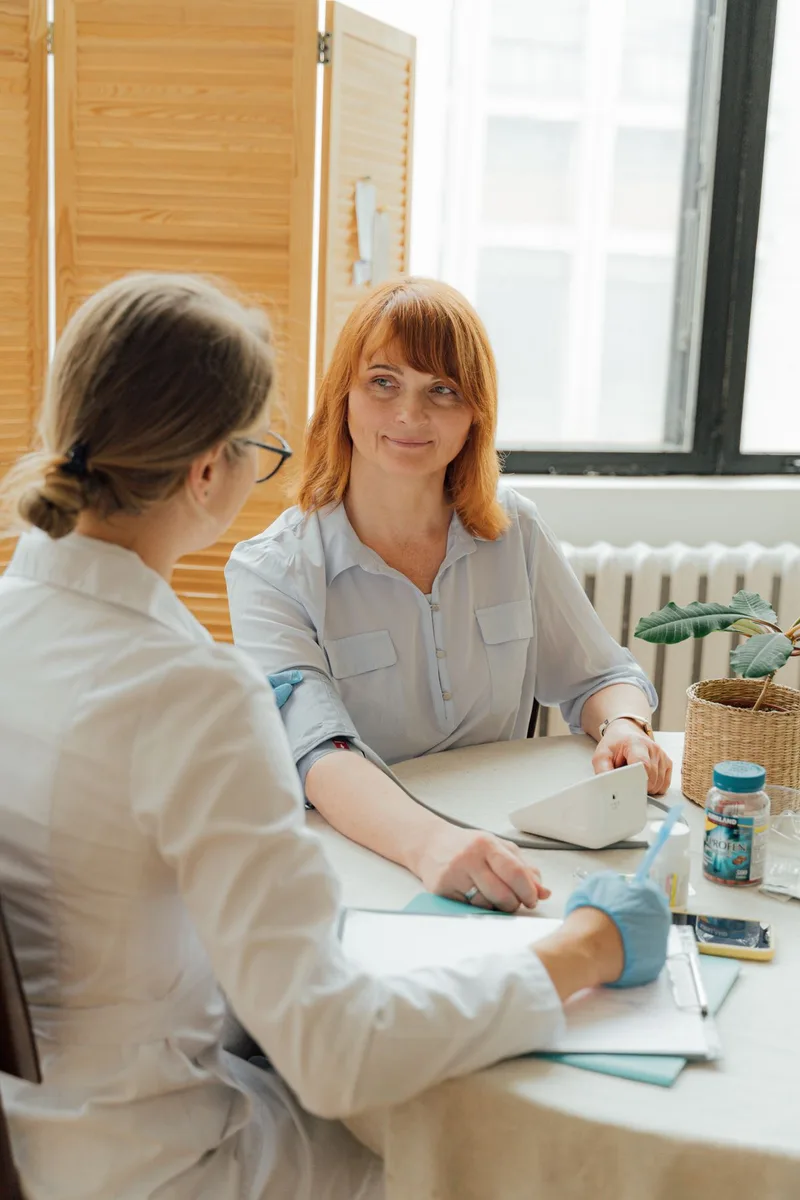
During pregnancy, the hormone relaxin loosens the ligaments around the pubic symphysis and sacroiliac joints to prepare your body for delivery. For some women this creates instability and pain, especially with asymmetrical movements like getting out of a car, rolling in bed, or climbing stairs. This is common, and it is very manageable with the right guidance.
After delivery, the pelvic joints and surrounding muscles need time and often guided rehabilitation to restabilize. If that instability goes unaddressed, it can linger well past childbirth, showing up as pubic or groin pain months or even years later. It is never too late to address it.
Tension or imbalance in the muscles that attach near the pubic bone, including the inner thigh, pelvic floor, and lower abdominals, can refer pain directly to the pubic region. This pattern is easy to miss without a pelvic-health-informed evaluation, since the muscles involved are not always where the pain is felt.
Activities involving repeated single-leg loading, kicking, or asymmetrical lifting can strain the pubic symphysis and surrounding tissue over time, even outside of pregnancy. Adjusting technique and building targeted strength both reduce the ongoing load on this area.
Scar tissue from a cesarean delivery or other pelvic or abdominal surgery can restrict normal tissue mobility and refer tension toward the pubic area. Gentle manual therapy can improve mobility around these restrictions and ease the discomfort they create.
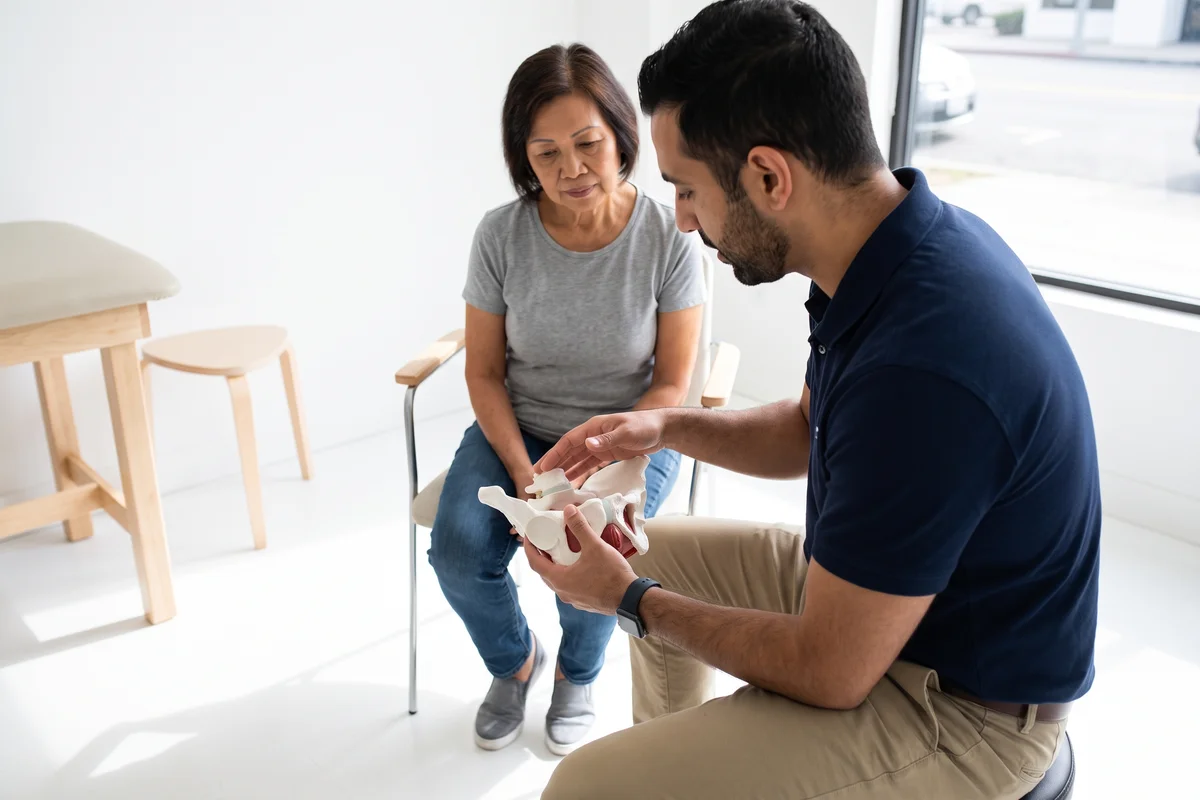
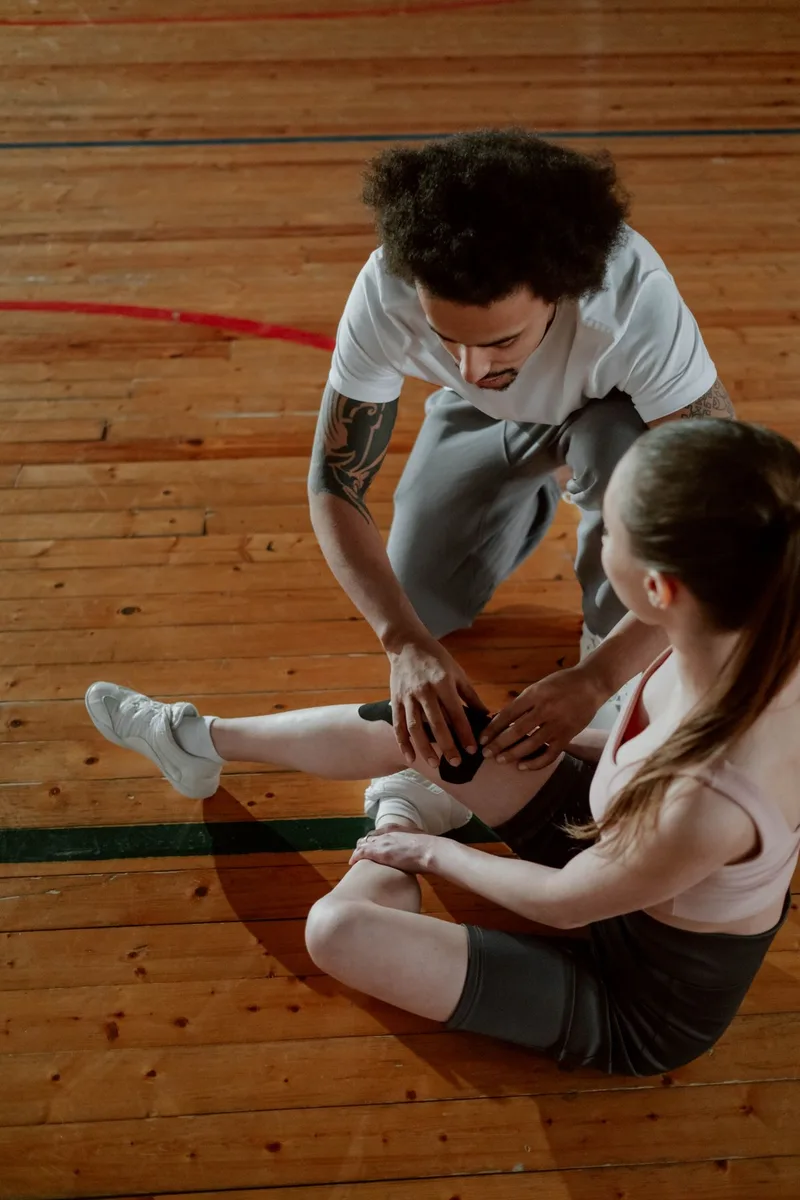
Pubic pain responds well to physical therapy because so much of it comes down to joint stability, muscle balance, and tissue mobility, all things a pelvic health therapist is specifically trained to assess and treat. Your evaluation identifies exactly which structures are involved, whether that is the pubic symphysis itself, surrounding hip and pelvic floor muscles, or scar tissue from a prior delivery or surgery, and any internal assessment is explained fully and done only with your consent. Manual therapy addresses restricted tissue and muscle tension contributing to your pain. If your pelvic floor is part of the picture, breathing and relaxation training helps it release rather than stay braced. We also teach practical strategies for the movements that tend to trigger pain, like getting out of bed, climbing stairs, or shifting weight while standing, so daily life feels more manageable right away. As pain settles, progressive strengthening rebuilds stability around the joint so the improvement holds.
We assess the pubic symphysis, surrounding hip and pelvic floor muscles, and any relevant scar tissue to find exactly what is generating your pain. You leave the first visit with a clear explanation and practical strategies for immediate relief.
We use hands-on techniques to reduce tension and restriction, and teach specific ways to move through daily activities like getting up from sitting or climbing stairs without aggravating the joint.
As pain decreases, we build strength and coordination through the hips, core, and pelvic floor to support the joint long term. You return to your normal activities with a body that feels stable again.
Convenient location right off route 125 with a nice welcoming atmosphere when you walk in. You'll immediately feel taken care of.
Pelvic floor therapy and manual therapy address the pelvic girdle and surrounding muscles, with strength work through physical therapy.
Ability Allies has clinics in Portsmouth, NH, Dover, NH, and Epping, NH. Call (603) 770-0408 about pubic pain and we will match you with the right therapist and location. No referral needed in New Hampshire.

Whether it is a tackle, a fall, or overuse, sports injuries need sport-informed treatment. We get you back in the game.

Hip and knee injuries often go hand in hand. We treat the whole kinetic chain.

Stiff, unstable joints limit what you can do. We restore mechanics and build strength.