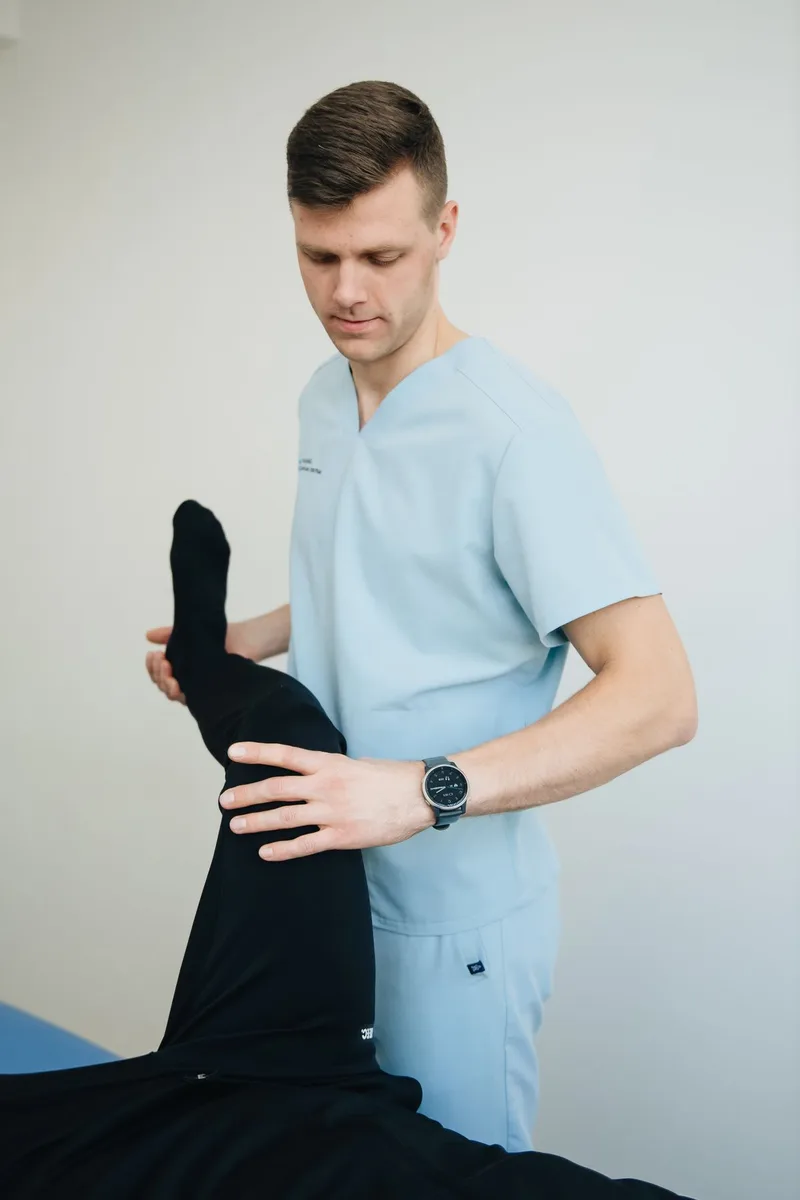
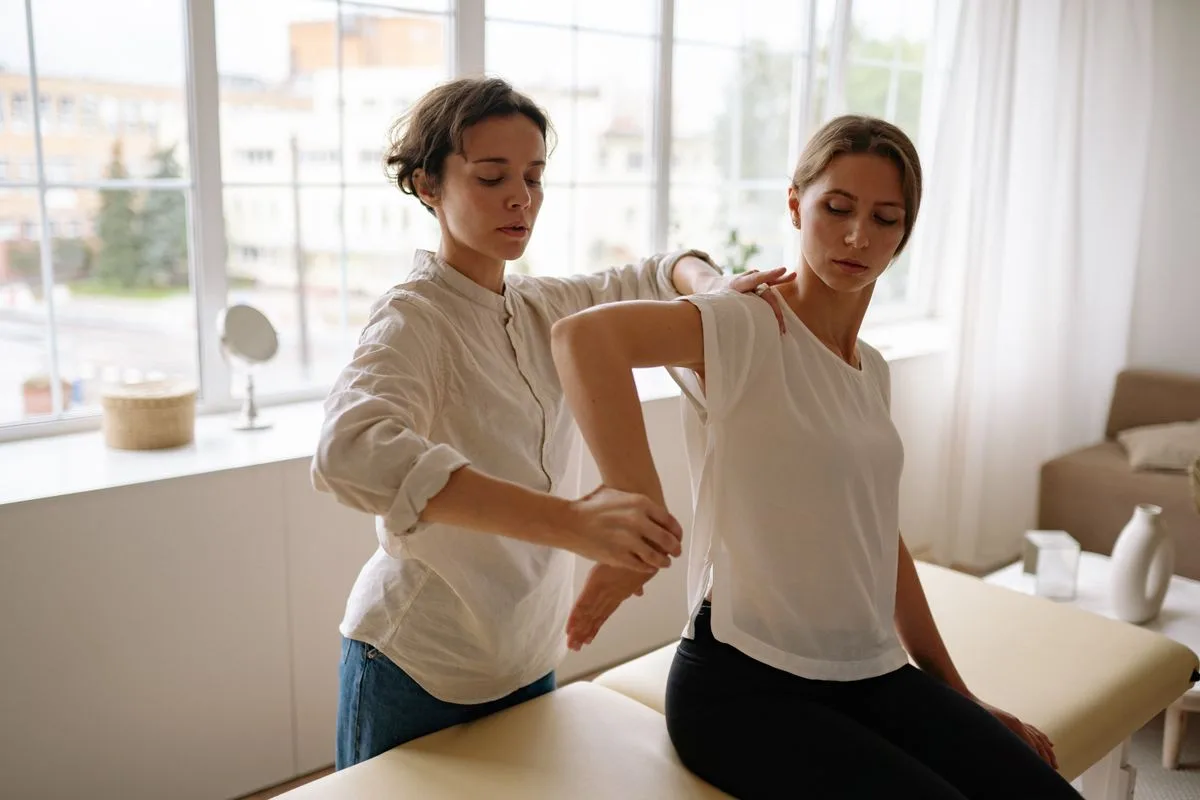
Being told your pain is just a bad period, when you know it is more than that, is exhausting on its own. Endometriosis pain is real, and hands-on pelvic health therapy can ease it alongside your medical care.
Endometriosis occurs when tissue similar to the uterine lining grows outside the uterus, often on the ovaries, ligaments, or pelvic sidewalls. That tissue responds to your hormonal cycle much like the uterine lining does, causing inflammation and, over time, scar tissue that can bind pelvic structures together. The surrounding pelvic floor muscles often tighten protectively in response, adding a second, very treatable layer of pain on top of the underlying disease.
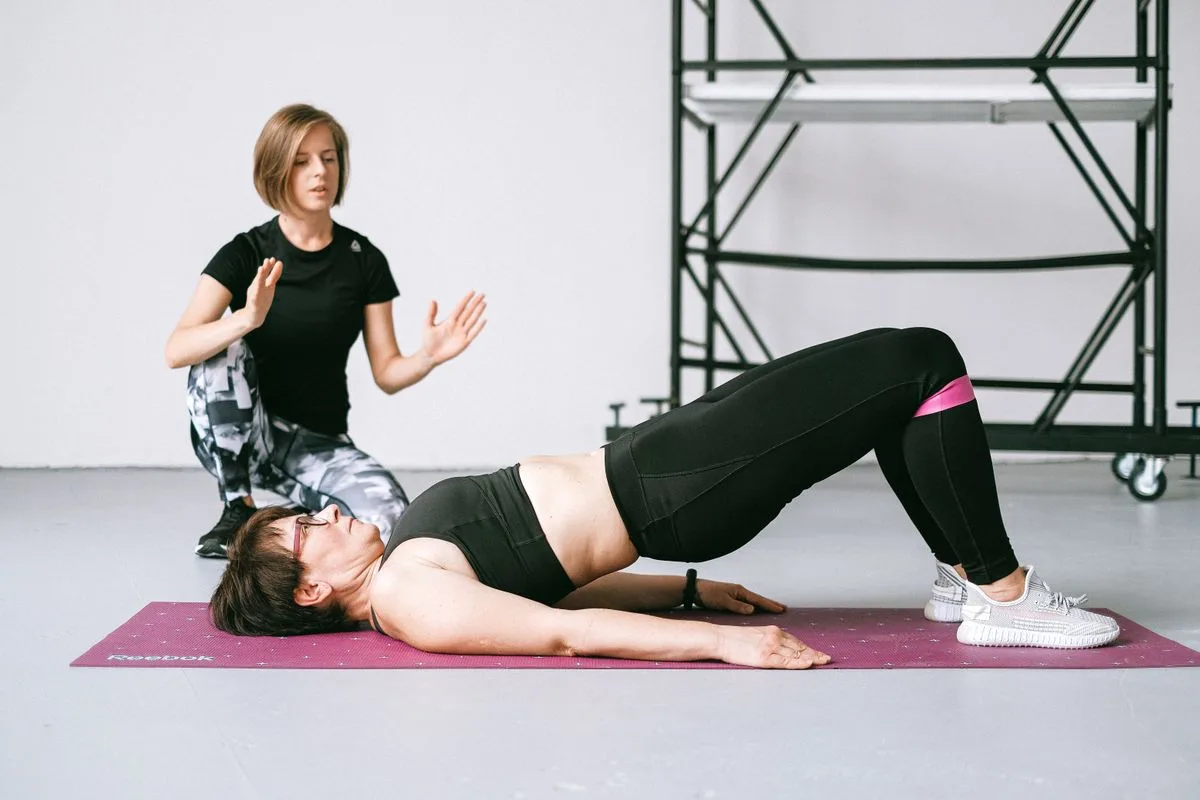
Tissue similar to the uterine lining grows in places it should not, most commonly around the ovaries, fallopian tubes, or pelvic sidewalls. Because it still responds to your hormonal cycle, it can bleed and inflame the surrounding area each month even though it has no way to leave the body. This is a medically diagnosed condition managed by your gynecologist, and physical therapy works alongside that care to address the pain and tension it leaves behind.
Repeated inflammation can create adhesions, bands of scar tissue that bind organs to the pelvic wall, bowel, or bladder. These adhesions restrict the normal gliding motion your pelvic organs and connective tissue need. Gentle manual therapy can improve tissue mobility around these restrictions, which often eases the pulling, dragging sensation many women describe.
When pain is a regular visitor, the pelvic floor muscles often respond by staying braced and tight, even between flare-ups. That protective guarding becomes its own source of pain, separate from the endometriosis itself. It is one of the most common and most treatable pieces of the puzzle, and it responds well to breathing and relaxation training.
When pain persists for years, the nervous system can become more sensitive, amplifying signals that would otherwise be minor. This does not mean the pain is imagined. It means the pain-processing system itself needs gentle, graded retraining alongside treatment of the tissue, which is exactly what a paced physical therapy approach is built to do.
A guarded pelvic floor changes how you stand, sit, and move without you realizing it. Over time, that compensation loads the low back, hips, and abdominal muscles differently, creating secondary aches that can feel disconnected from the original pelvic pain but are very much related to it.
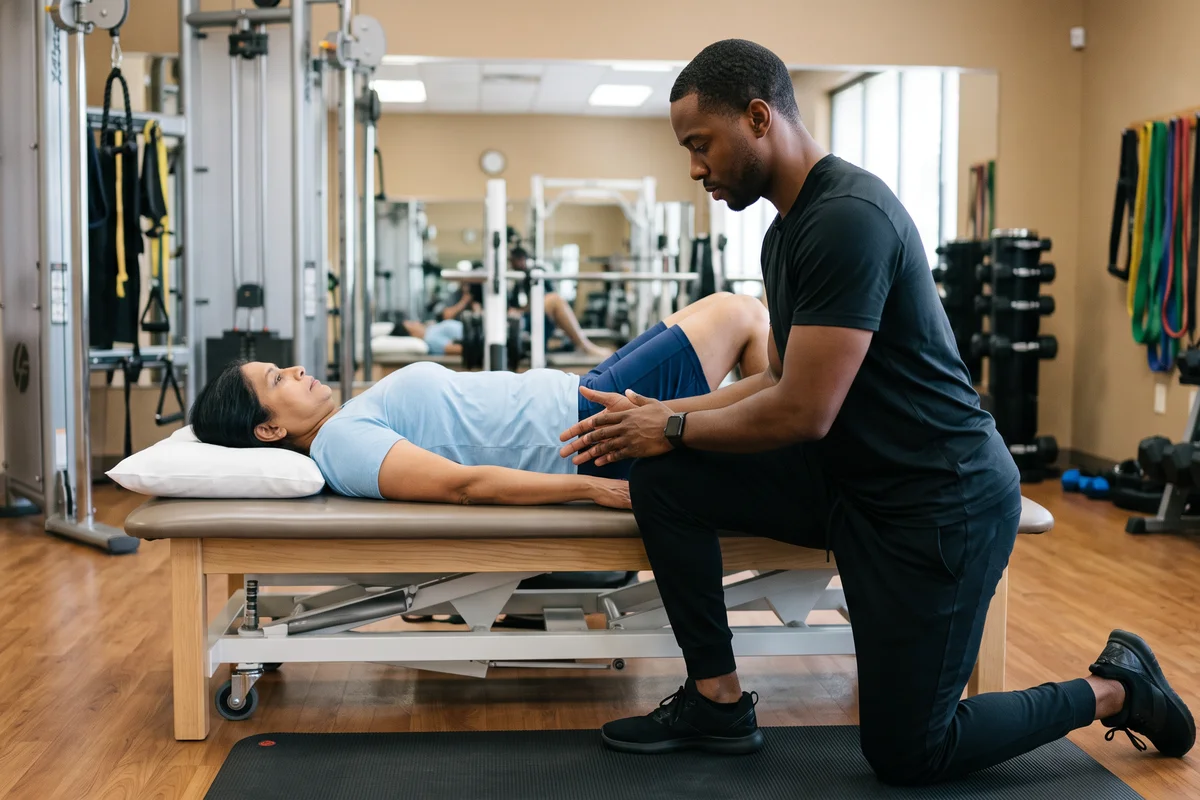
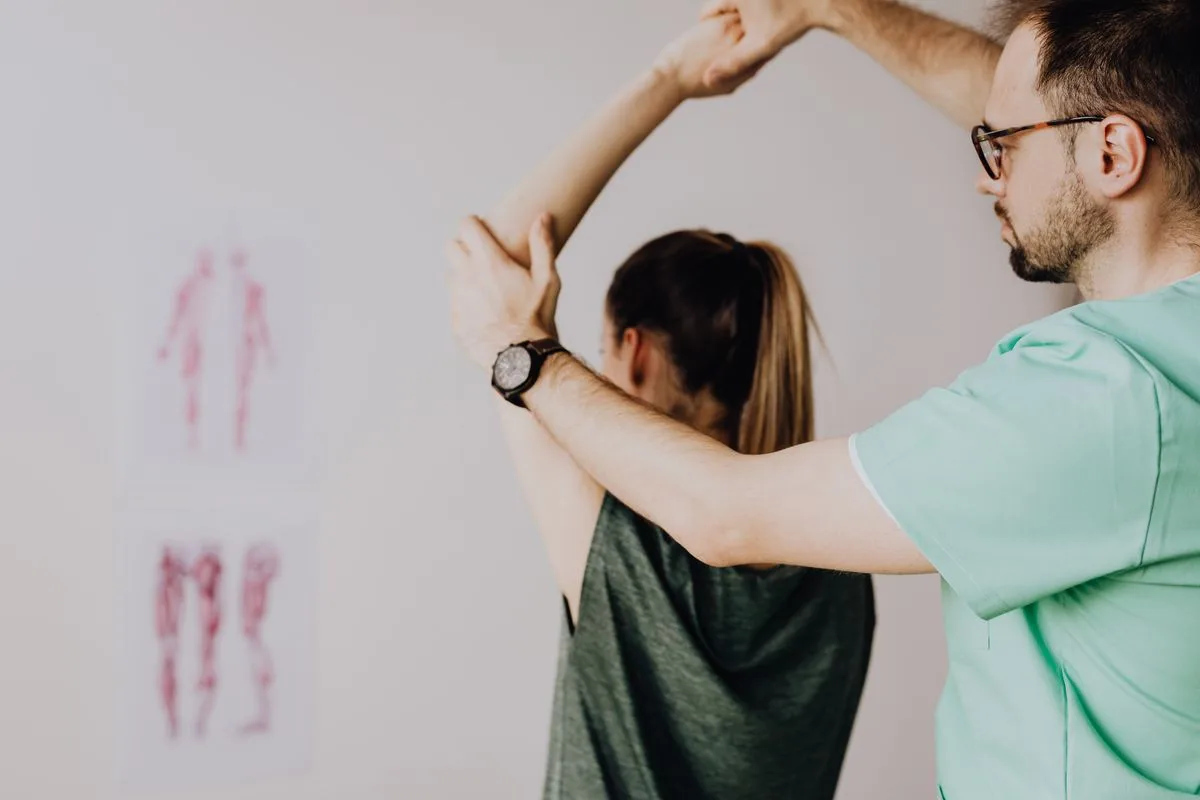
Physical therapy does not replace the gynecological care that manages endometriosis itself, but it treats the layers of pain and dysfunction that build up around it. After a thorough conversation about your symptoms and history, your therapist explains every part of the assessment before it happens, including whether an internal pelvic floor evaluation would be helpful. That choice is always yours, done only with your full understanding and consent. Manual therapy is used to gently release adhesions and restore mobility to tissue that has become bound down. Breathing and relaxation training teach an overactive, guarded pelvic floor how to lengthen and release instead of staying braced. Biofeedback lets you see your own muscle activity in real time, which makes retraining faster and more intuitive. As pain calms, we add progressive strengthening for the core, hips, and pelvic floor so your whole system supports you well beyond your appointments. The aim is a body that feels like an ally again, not something to brace against.
Your first visit starts with listening. We learn your full history and explain exactly what an evaluation may involve, including any internal pelvic floor assessment, so nothing happens without your understanding and consent. Many patients feel relief simply from being believed.
We use hands-on techniques to release restricted tissue and adhesions, paired with breathing and relaxation training that teaches an overactive pelvic floor to let go. This is where much of the day-to-day discomfort starts to ease.
As pain settles, we add progressive strengthening for your core, hips, and pelvic floor, and coach you through a return to the activities endometriosis has made difficult. You leave with tools to manage flare-ups on your own.
My wife has been working with Julia and Natalie. Both of them are extremely professional and caring.
Pelvic floor therapy and manual therapy work alongside your medical care to ease the pelvic muscle tension and tissue restriction that often come with endometriosis.
Ability Allies has clinics in Portsmouth, NH, Dover, NH, and Epping, NH. Call (603) 770-0408 about endometriosis pain and we will match you with the right therapist and location. No referral needed in New Hampshire.

Stiff, aching joints that limit your activities. We restore mechanics and build strength.

When major joints fail, movement suffers. We treat the source, not just the symptom.

Long-lasting pain often needs a movement-based approach. We break the pain cycle.