(603) 770-0408 · 68A Fogg Rd
Ability Allies

Tailbone Pain Treatment in Seacoast

Tailbone pain often gets treated with nothing more than a cushion. Physical therapy looks at what is actually driving the pain, from alignment to the pelvic floor, so sitting stops being something you have to plan around.

01What Causes It

What causes tailbone pain?

The tailbone, or coccyx, sits at the very base of your spine and bears weight every time you sit down. Pain there can come from a direct injury, from how your pelvis and spine are aligned, or simply from too many hours in a chair that does not support you well. Figuring out which of these is driving your pain is what separates a cushion as a temporary patch from a plan that actually resolves it.
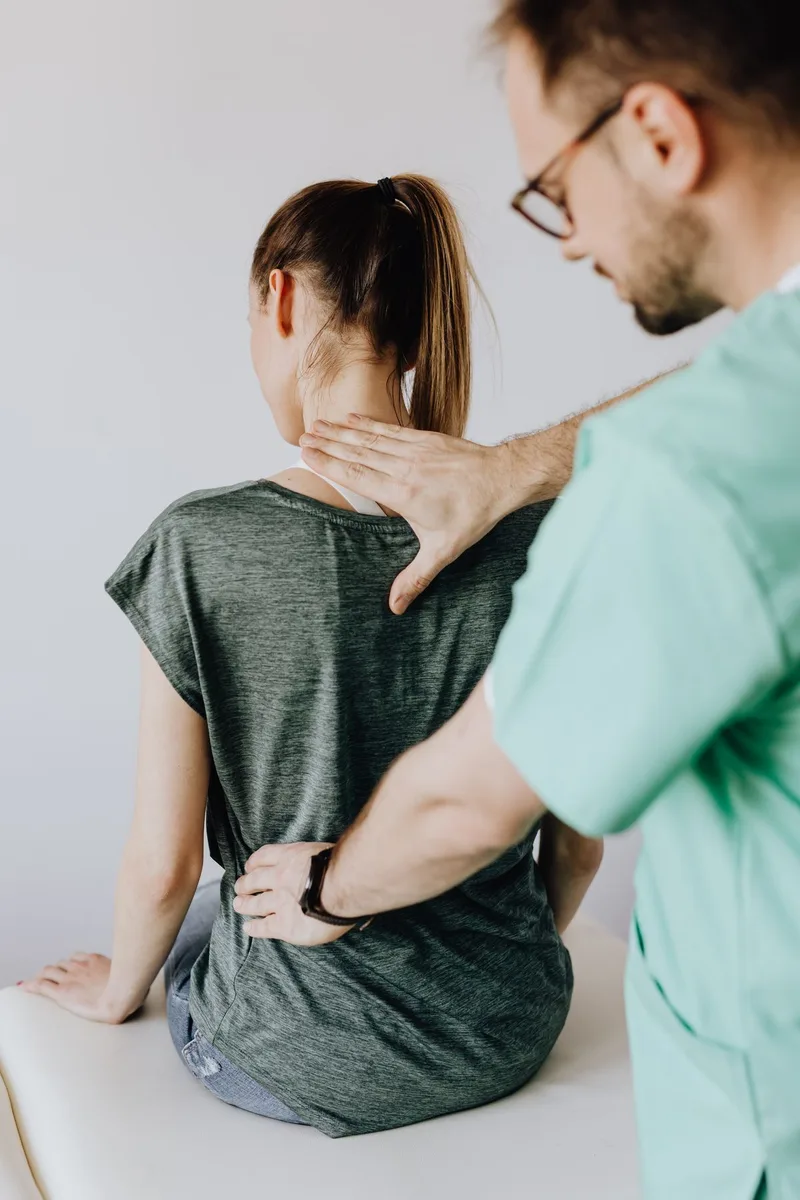
Physical therapist assessing a patient for tailbone pain at Ability Allies in Seacoast, NH

A fall onto your backside, whether on ice, stairs, or a hard surface, can bruise or even fracture the tailbone. This is one of the more obvious causes, but the pain can linger for months after the initial injury heals if the surrounding muscles and joints are not properly rehabilitated alongside it.

Long hours sitting on a hard chair, a bike seat, or unsupportive furniture put sustained direct pressure on the coccyx. Over time, that pressure irritates the surrounding tissue and joints, especially in people whose tailbone already sits at a more prominent angle. Simply changing how and where you sit is often part of the solution.

The pelvic floor muscles attach directly to the coccyx, and when they become tight or overactive, they can pull on the tailbone and create persistent pain, particularly when sitting or transitioning from sitting to standing. This connection is frequently missed, which is why tailbone pain can persist despite treating the tailbone alone.

Pregnancy and childbirth change the alignment and mobility of the pelvis and can place unusual strain on the coccyx, sometimes with lasting effects afterward. Postural shifts from prolonged sitting, weight change, or altered gait can have a similar effect, changing how weight transfers through the tailbone during everyday movement.

Because the coccyx is the final segment of the spine, changes in alignment further up, such as in the low back or pelvis, can alter the angle and load the tailbone experiences while sitting. Pain that seems to be coming from the tailbone itself sometimes actually originates from a misalignment or nerve irritation higher up the spine.
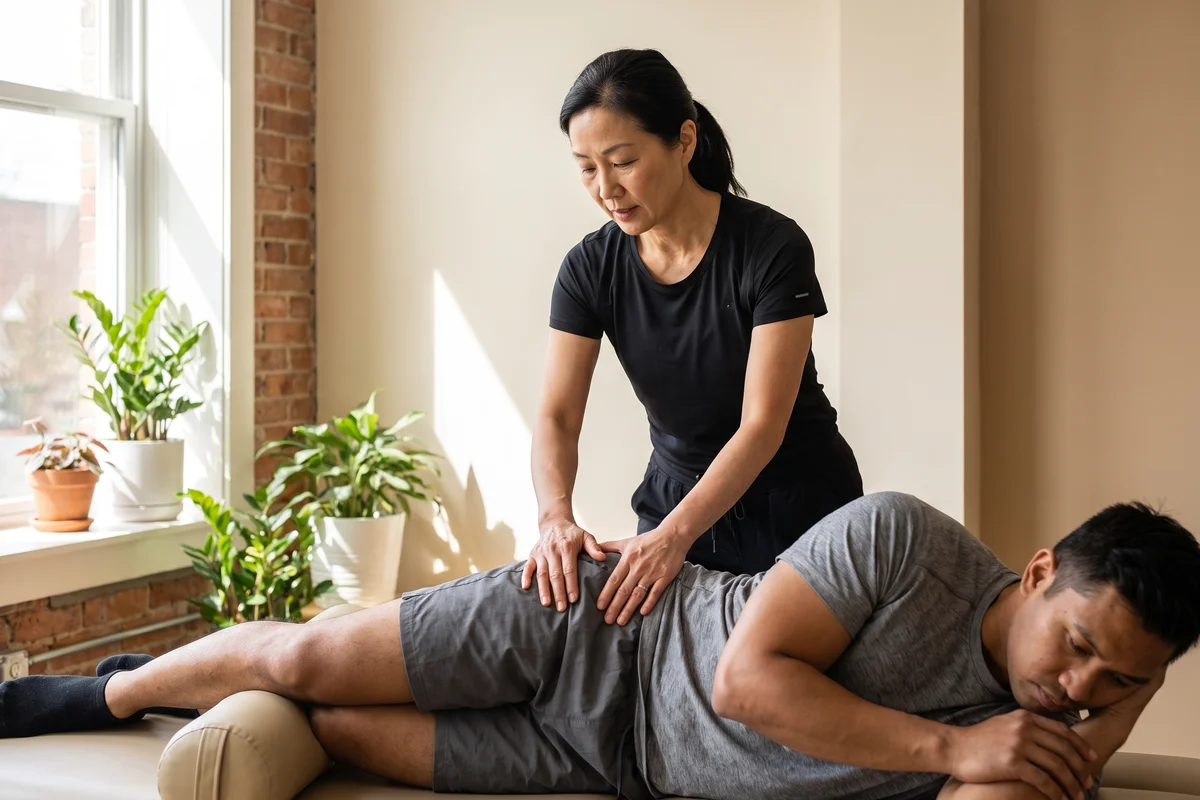
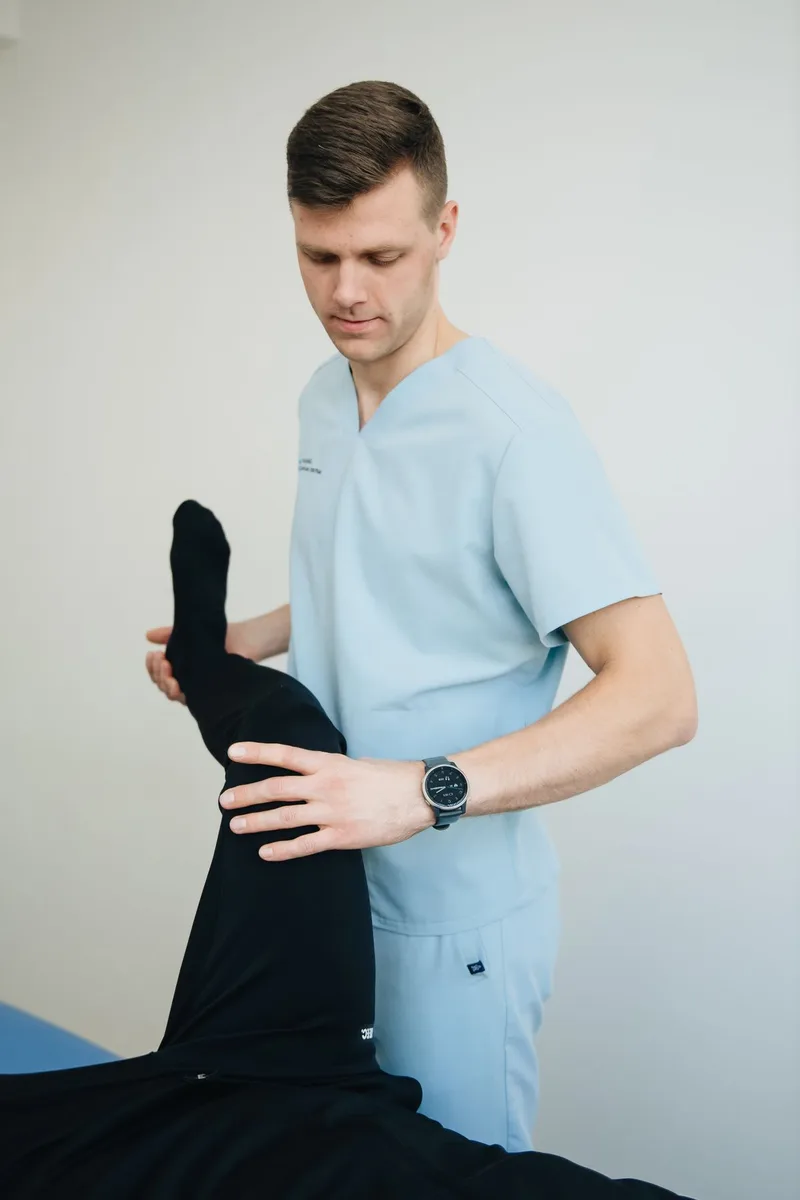
Therapist treating a patient for tailbone pain at Ability Allies in Seacoast, NH
02How PT Helps

How physical therapy in Seacoast helps.

Tailbone pain is often treated with nothing more than a donut cushion, which manages the symptom without ever addressing why the area became painful in the first place. A thorough evaluation looks at your pelvic alignment, the mobility of the joints and muscles around your coccyx, and the pelvic floor muscles that attach directly to it, since tailbone pain frequently involves more than the tailbone itself. From there, treatment uses hands-on manual therapy to release the tension and restricted mobility contributing to your pain, along with guidance on sitting posture and positioning that takes pressure off the area while it heals. We also address the pelvic and postural factors, whether that is pelvic floor tension, an old fall, or alignment changes from pregnancy, that may be feeding the pain from somewhere other than the tailbone itself. Every plan is one on one and built around what your evaluation actually finds. The goal is sitting, standing, and moving without the constant awareness of pain at the base of your spine.

03What To Expect

What to expect from your recovery.

01

Evaluation and pressure relief

We assess your pelvic alignment, coccyx mobility, and sitting posture to understand exactly what is driving your pain. You leave with practical adjustments to reduce pressure on the area right away.

02

Hands-on treatment and mobility work

Manual therapy addresses the restricted tissue and pelvic floor tension contributing to your pain, while targeted mobility work restores normal movement to the joints around your coccyx.

03

Lasting relief and posture retraining

As pain resolves, we retrain the sitting posture and movement habits that keep it from returning, so a chair or a car seat no longer dictates your day.

In Their Words
Relief. I found relief here. Reverse lordosis with severe foraminal narrowing pinched the nerve, causing significant pain.
Christine C. · Tailbone Pain · Google review
Your Next Step

From painful sitting to comfortable again.

Tailbone care can include pelvic floor therapy when the pelvic floor muscles are involved, manual therapy, and an ergonomic assessment to change how you sit through the day.

Ability Allies has clinics in Portsmouth, NH, Dover, NH, and Epping, NH. Call (603) 770-0408 about tailbone pain and we will match you with the right therapist and location. No referral needed in New Hampshire.

Related Conditions

Pain rarely travels alone.

Request an Appointment

Ready when you are.

Epping HoursMon–Fri 8am–7pm, Sat–Sun Closed
Walk-insCall ahead
ClinicsPortsmouth · Dover · Epping
Book your evaluation. Same-week appointments available.
Step 1 of 6
First things first. What's your name?
We'll need a name to book you in.
Best number to reach you?
A phone number lets us confirm same-day.
And your email?
We'll send your confirmation here.
What questions do you have about your tailbone pain?
A few words is all we need.
Which clinic works best for you?
Pick the clinic you'd like to visit.
Look right? Send it.
✓
Request received.

We'll call within business hours to lock in your time.

Book Now