(603) 770-0408 · 68A Fogg Rd
Ability Allies

Cold Compression Therapy in Seacoast

Cold and compression working together to pull swelling out of an injured joint fast, so pain eases and healing can actually get started.

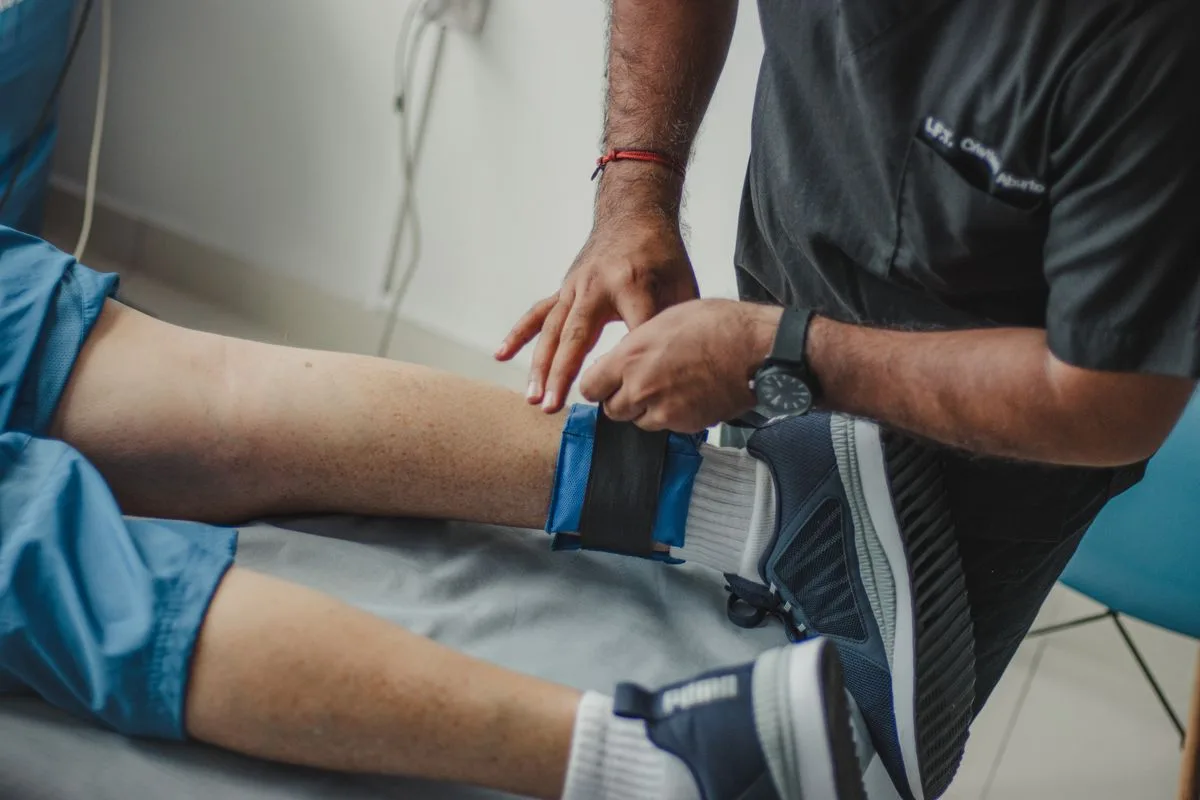
Cold Compression Therapy treatment session with a physical therapist at Ability Allies in Seacoast, NH
01What It Is

What is cold compression therapy?

A swollen knee or ankle that just will not settle down, throbbing enough that you dread moving it and dread sitting still with it too. Cold compression therapy is built for exactly that moment. It combines controlled cold temperature with pneumatic or adjustable compression, applying both to the injured area at the same time rather than one after the other. The cold narrows blood vessels near the surface and slows local metabolism and nerve conduction, which is why pain quiets noticeably within minutes. The compression works alongside it, gently squeezing the tissue in cycles that push fluid out of the swollen area and encourage it to drain through the lymphatic and venous system instead of pooling around the injury. Applied together, cold and compression control swelling more effectively than ice alone, which is why it is a standard part of recovery after acute injuries and after many orthopedic surgeries, including joint replacements and ligament reconstructions.

Devices used for cold compression are calibrated to a specific temperature and pressure for the area being treated and the stage of healing you are in, since too much compression too early after surgery can work against you rather than for you. Your therapist selects the right settings and duration for your situation, checks your skin before and after, and times sessions around the rest of your treatment plan so the swelling control supports the movement and strengthening work you are doing rather than replacing it.

02Who It's For

Who it's for.

Cold compression therapy is for anyone dealing with swelling that is slowing down recovery. If a joint is puffy, tight, and reluctant to move, this treatment helps clear the way.

01

Post-surgical swelling

Knee replacements, ACL reconstructions, and ankle surgeries all bring significant post-operative swelling. Cold compression is routinely used in early recovery to control that swelling so movement and strengthening can progress on schedule. Controlling swelling early in this window often shortens how long it takes to regain full range of motion in the new joint.

02

Acute sprains and strains

A rolled ankle or a pulled muscle swells fast in the first day or two after it happens. Getting cold and compression on it early helps limit how much swelling builds and how long it takes to clear. Getting a device on quickly, ideally within the first few hours, tends to make the biggest difference in how much swelling ultimately builds.

03

Chronic joint swelling after activity

An arthritic knee or an overused joint that puffs up every time you push it. Cold compression after activity helps manage the flare so the joint does not stay swollen and stiff between sessions. Using cold compression proactively after activity, rather than waiting for the joint to swell first, often keeps the whole cycle more manageable.

03What To Expect

What to expect in a session.

Cold compression sessions are quick and closely monitored, with your therapist checking in throughout. Here is how a typical treatment runs.

01

Skin check and fitting

Your therapist checks the skin around the injured area and fits the compression sleeve or cuff snugly but comfortably, setting the device to the pressure and temperature appropriate for your stage of healing. This fitting step matters because a cuff that is too loose loses much of its compressive effect, and one that is too tight can restrict circulation instead of helping it.

02

Timed cold-compression cycles

The device runs cycles of cold and compression, typically for fifteen to twenty minutes, while your therapist monitors how your skin and tissue respond and adjusts as needed. Some devices allow the pressure and temperature to be adjusted mid-session if the sensation is too intense or not strong enough.

03

Skin recheck and gentle movement

Once the device is removed, your therapist rechecks skin color and sensation and often guides you through gentle movement while the swelling relief is fresh. This final step helps confirm the swelling reduction is translating into an actual improvement in how the joint feels and moves.

Safety note

Tell your therapist about any circulatory conditions, Raynaud's phenomenon, cold allergy, or numbness in the area before treatment, since these change how the device should be used. Sessions are stopped early if skin becomes numb or discolored beyond a normal cold response.

In Their Words
I cannot recommend Ability Allies enough, they are simply the best! I have been working with Cam and have seen fantastic results.
Carol M. · Google review
Your Next Step

Control swelling, speed the next step.

Cold compression supports post-surgical and sports rehab plans while physical therapy restores strength. Common reasons patients ask about it:

Ask about cold compression therapy at our Portsmouth NH physical therapy clinic, Dover NH clinic, or Epping NH clinic. One-on-one care, same-week evaluations, and no referral needed in New Hampshire.

Explore More

Where to go next.

Request an Appointment

Ready when you are.

Epping HoursMon–Fri 8am–7pm, Sat–Sun Closed
Walk-insCall ahead
ClinicsPortsmouth · Dover · Epping
Book your evaluation. Same-week appointments available.
Step 1 of 6
First things first. What's your name?
We'll need a name to book you in.
Best number to reach you?
A phone number lets us confirm same-day.
And your email?
We'll send your confirmation here.
What questions do you have about your pain or injury?
A few words is all we need.
Which clinic works best for you?
Pick the clinic you'd like to visit.
Look right? Send it.
✓
Request received.

We'll call within business hours to lock in your time.

Book Now