Infertility affects roughly 12% of women aged 15 to 44 in the U.S., with rates increasing after age 35. Few realize pelvic health physical and occupational therapy can play a real role in supporting reproductive function alongside medical treatment.
At Ability Allies, we don’t just treat infertility, we address the underlying physical factors that could be preventing conception. Research shows that improving pelvic alignment, circulation, and mobility can positively impact fertility outcomes, and our individualized treatments are designed to complement any other fertility care you are already receiving.
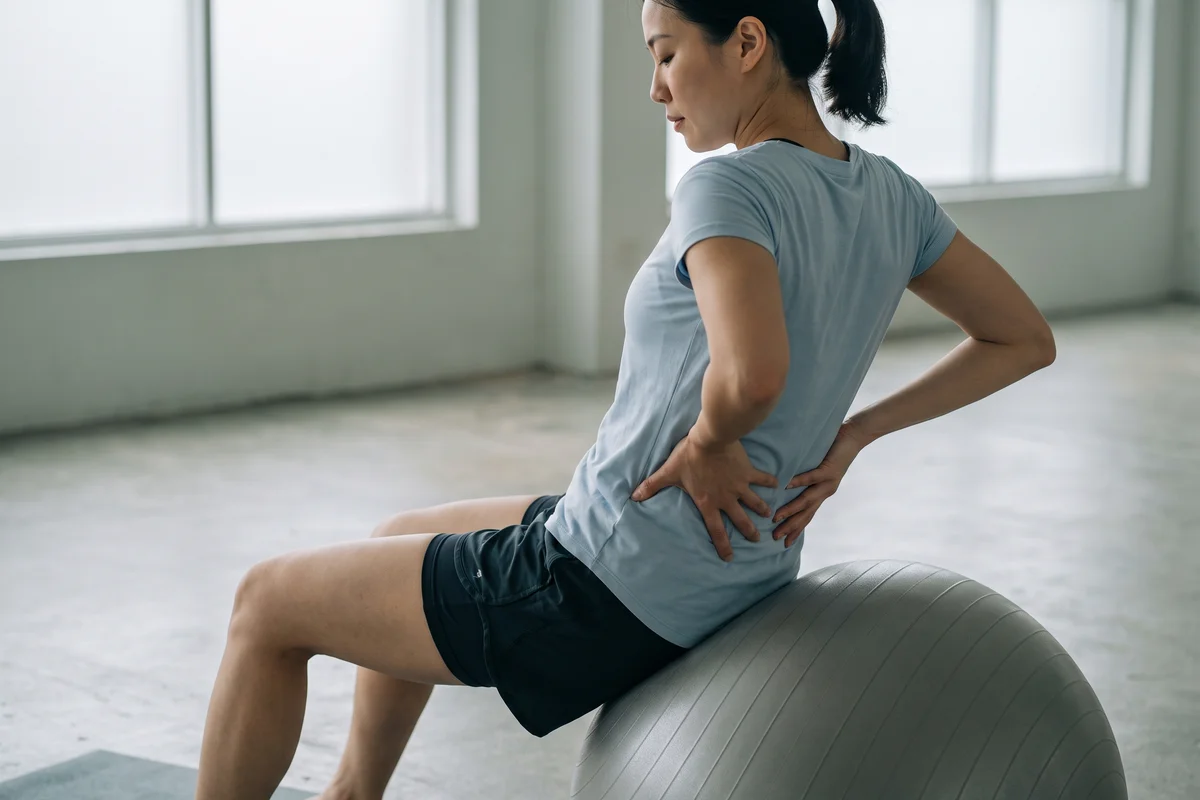
Missed or irregular cycles often indicate ovulation issues, which can impact fertility. Our specialized therapy can help improve pelvic blood flow and hormone regulation as part of a broader plan for reproductive health.
Pain during intercourse, severe menstrual cramps, or ongoing discomfort could signal endometriosis, pelvic inflammatory disease, or pelvic floor dysfunction, all of which can affect fertility. Identifying and addressing these physical factors is often the missing piece.
Post-surgical or endometriosis-related adhesions can restrict the reproductive organs and surrounding tissue. Manual therapy and scar tissue management techniques promote mobility and improve circulation in the pelvic and abdominal region.
Chronic stress affects hormone regulation and pelvic tension alike. Our approach can include biofeedback training to balance the nervous system, guided breathing to lower cortisol, and gentle movement strategies that relieve pelvic tension and support overall well-being.
Unexplained weight changes, hair thinning, mood swings, or skin issues may indicate a hormonal imbalance affecting ovulation and reproductive function. These signs are worth discussing with your therapist as part of a whole-body evaluation.
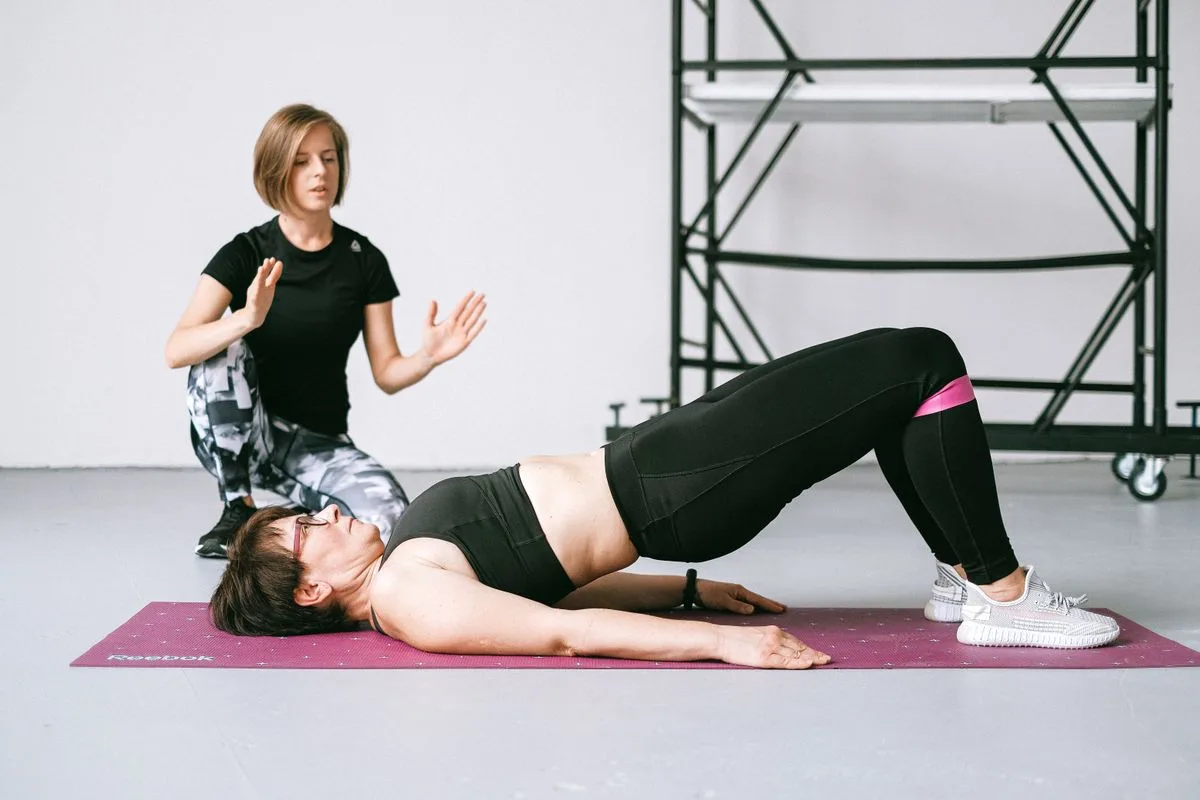
Correcting pelvic misalignment helps restore proper circulation to the reproductive organs, while targeted exercise strengthens and supports pelvic function. Gentle mobilization further improves flexibility and blood flow to the area.
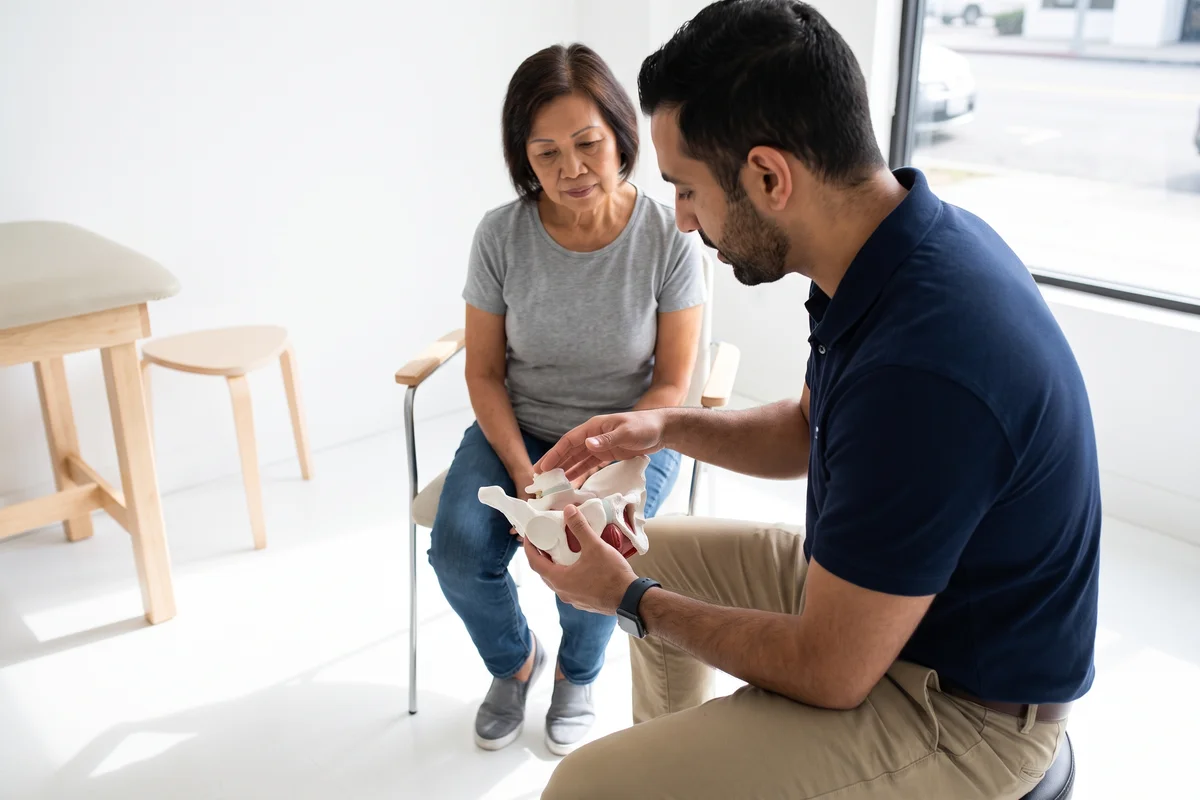
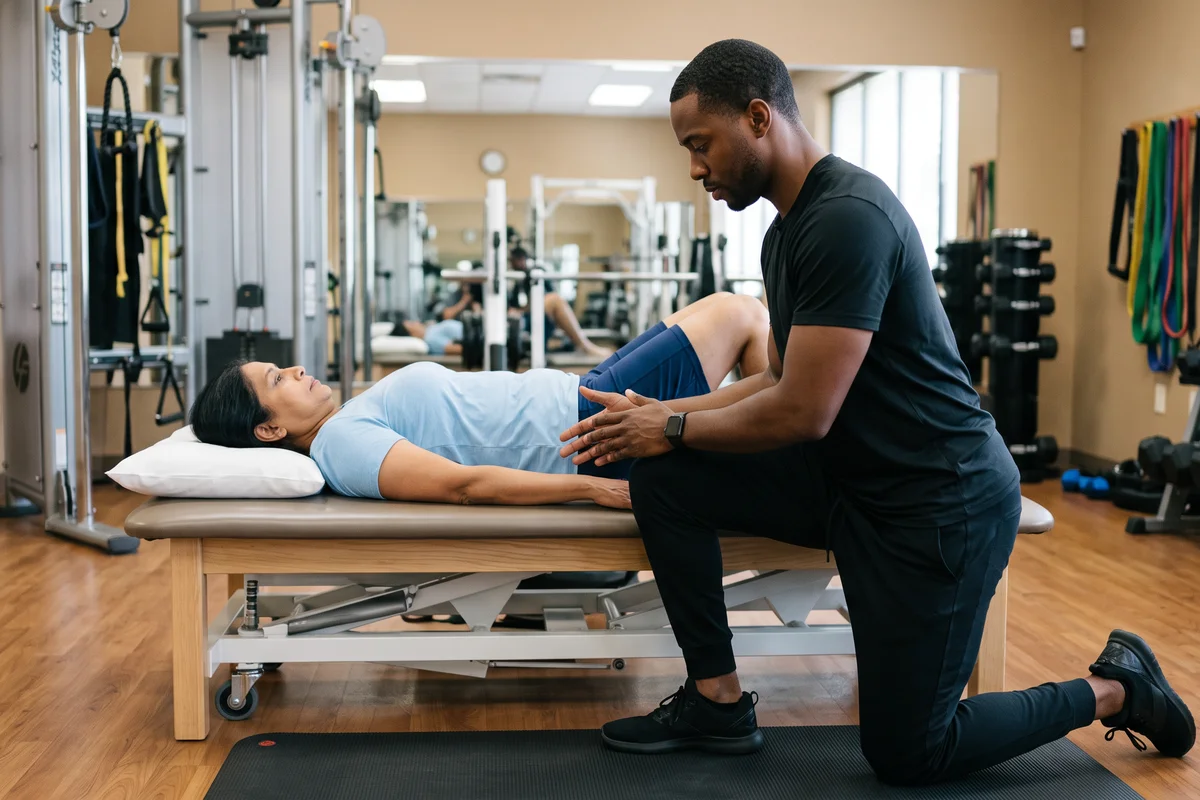
Your journey begins with a comprehensive assessment of your pelvic alignment, mobility, and muscle function. Based on what we find, we build a personalized plan that may include specialized pelvic floor muscle training to improve coordination, manual therapy to promote mobility in the reproductive organs, and targeted exercise to strengthen pelvic support. Studies show pelvic floor therapy and manual techniques can improve blood flow, decrease inflammation, and enhance reproductive function. Most patients notice improvement within 8 to 12 weeks of consistent therapy, though results vary by individual. This is never a cure-all, but it can meaningfully complement any other fertility treatment you are pursuing.
We evaluate your pelvic alignment, mobility, and muscle coordination, and talk through your cycle history and any symptoms you have noticed. You leave with a clear picture of the physical factors that may be affecting your fertility.
We use manual therapy to reduce restrictions and adhesions, gently mobilize pelvic and abdominal tissue, and improve circulation. We show you breathing and relaxation techniques to continue at home.
We build targeted exercise into your plan to strengthen and support pelvic function, while continuing to address any nervous system or stress factors that may be affecting your cycle. The goal is a body that is as receptive as possible to conception.
I can't say enough great things about Ability Allies. From the moment I walked in, I felt welcomed and cared for.
Pelvic floor therapy and manual therapy address pelvic mobility and tissue restriction as one part of your wider fertility care.
Ability Allies has clinics in Portsmouth, NH, Dover, NH, and Epping, NH. Call (603) 770-0408 about fertility-related pelvic care and we will match you with the right therapist and location. No referral needed in New Hampshire.

Support for your body before conception and through every stage of pregnancy and postpartum recovery.

Pelvic floor coordination affects far more than pain, it plays a role in reproductive health too.

A common contributor to fertility challenges, addressed with hands-on techniques and a personalized plan.