Knee, shin, heel, or hip pain is cutting your runs short. Most running injuries come from training load and mechanics that can be measured and changed, so you can get back to the miles you enjoy.
Most running injuries are overuse injuries. Running repeats the same motion thousands of times on every run, so a small gap between the load you put on a tissue and the load it is ready for adds up quickly. A jump in mileage, new hill or speed sessions, a change in shoes, or coming back too fast after time off are common triggers. Strength, mobility, and running mechanics decide where that extra load lands, which is why two runners on the same plan can end up with very different injuries.
Runner's knee is pain around or behind the kneecap that flares on hills, stairs, squats, or after sitting with your knees bent. The joint under the kneecap gets irritated by repeated load, and weak hip muscles or a foot that collapses inward often change how the kneecap tracks. Calming the knee while strengthening the hips and thighs usually settles it without a long break from running. Read more about hip and knee pain.
IT band pain is a sharp or burning pain on the outside of the knee that often shows up at a predictable point in a run and eases when you stop. It is commonly linked to hip weakness, a sudden jump in mileage, or a lot of downhill or cambered-road running. Stretching alone rarely solves it. Hip strength and a gradual return to load do most of the work.
Shin splints, medically called medial tibial stress syndrome, cause aching along the inner edge of the shinbone. They are common in newer runners and after a quick increase in training, when bone and the tissue around it are loaded faster than they can adapt. Pain that becomes sharp and pinpoint on the bone, hurts at rest, or hurts when you hop on that leg should be checked for a stress fracture before you keep training.
Stiffness at the back of the heel, or sharp pain under the heel with your first steps in the morning, are two of the most common running complaints. Both involve tissue that has been overloaded, often alongside tight or weak calves. They usually respond to progressive calf and foot strengthening, and longer-standing cases may be a fit for shockwave therapy. See plantar fasciitis and tendinitis and tendinopathy for more.
Pain on the outside of the hip, in the groin, or deep in the buttock can come from irritated tendons around the hip, the hip joint itself, or the low back. Strength in the glutes, which control your pelvis on every single-leg landing, is a frequent factor. Groin or hip pain that gets worse with every run or makes you limp should be assessed promptly rather than run through.
Too much, too soon is the classic cause. A sudden jump in weekly mileage, adding speed work and hills at the same time, or racing without a proper build-up can overload tissues that were fine at lower volumes. Adjusting the training plan is part of treatment, not an afterthought.
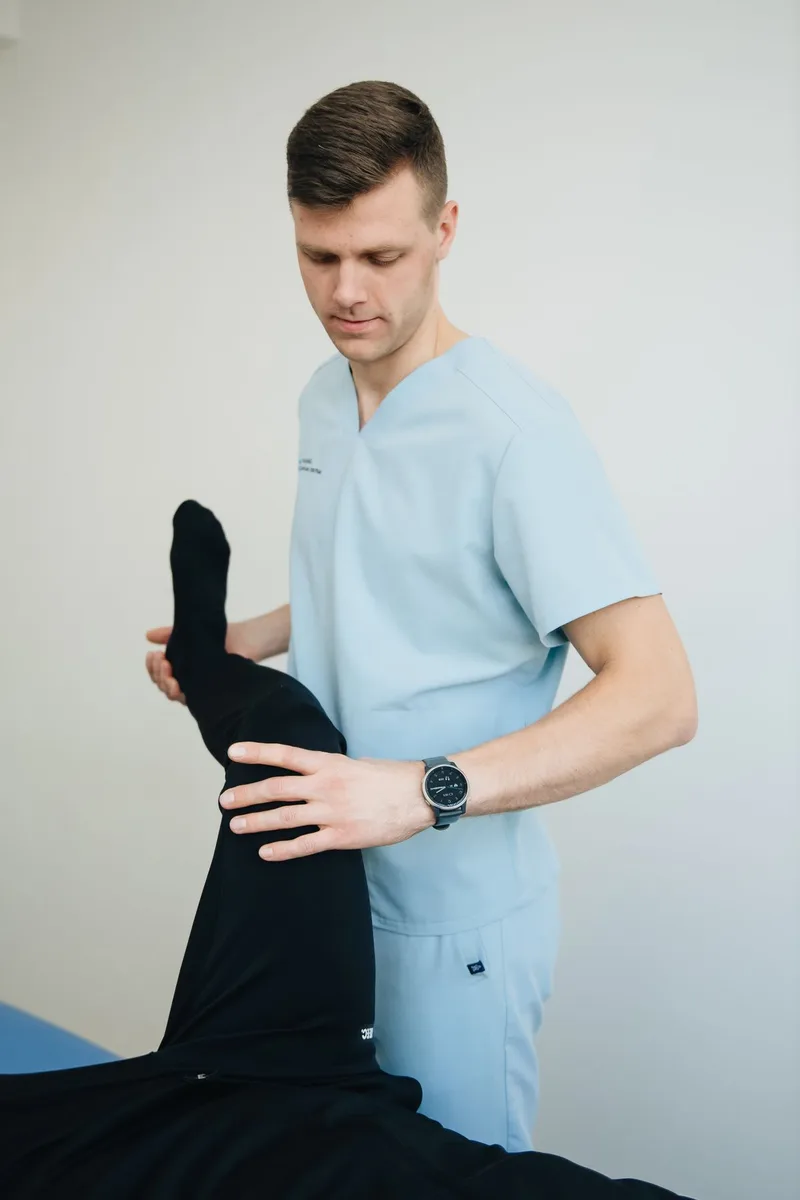
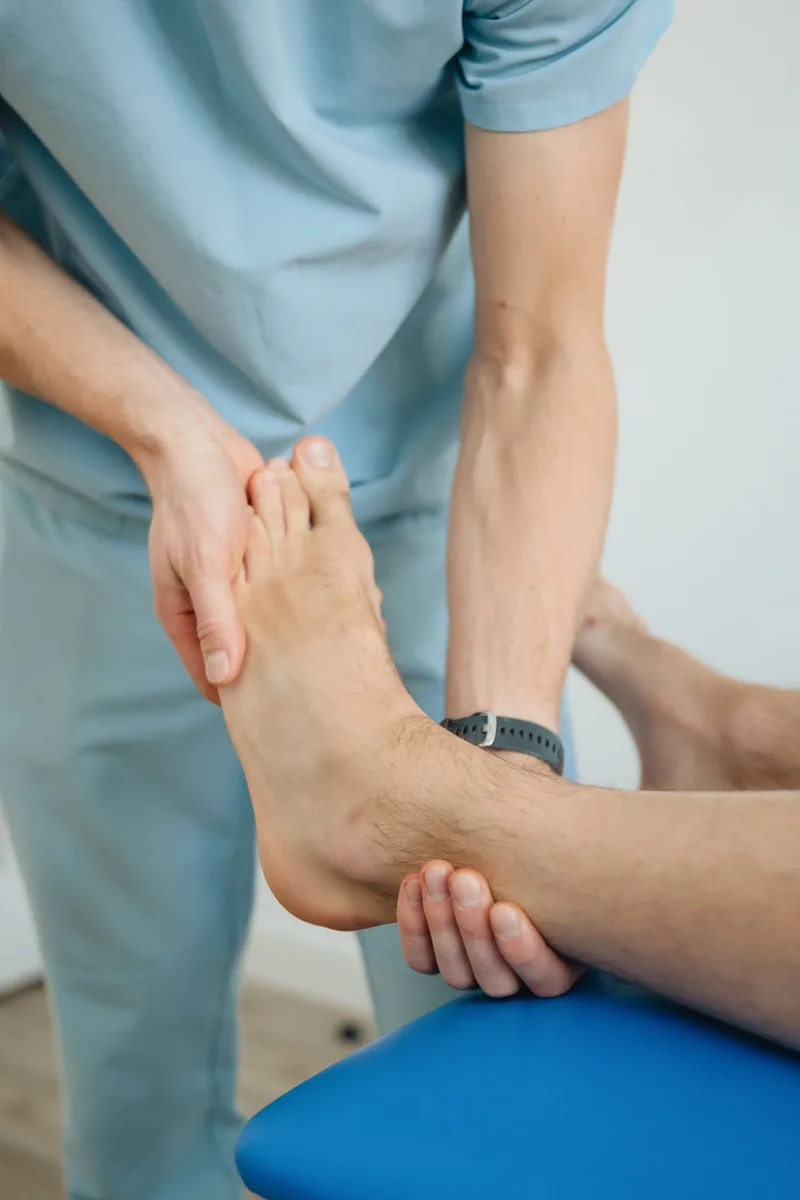
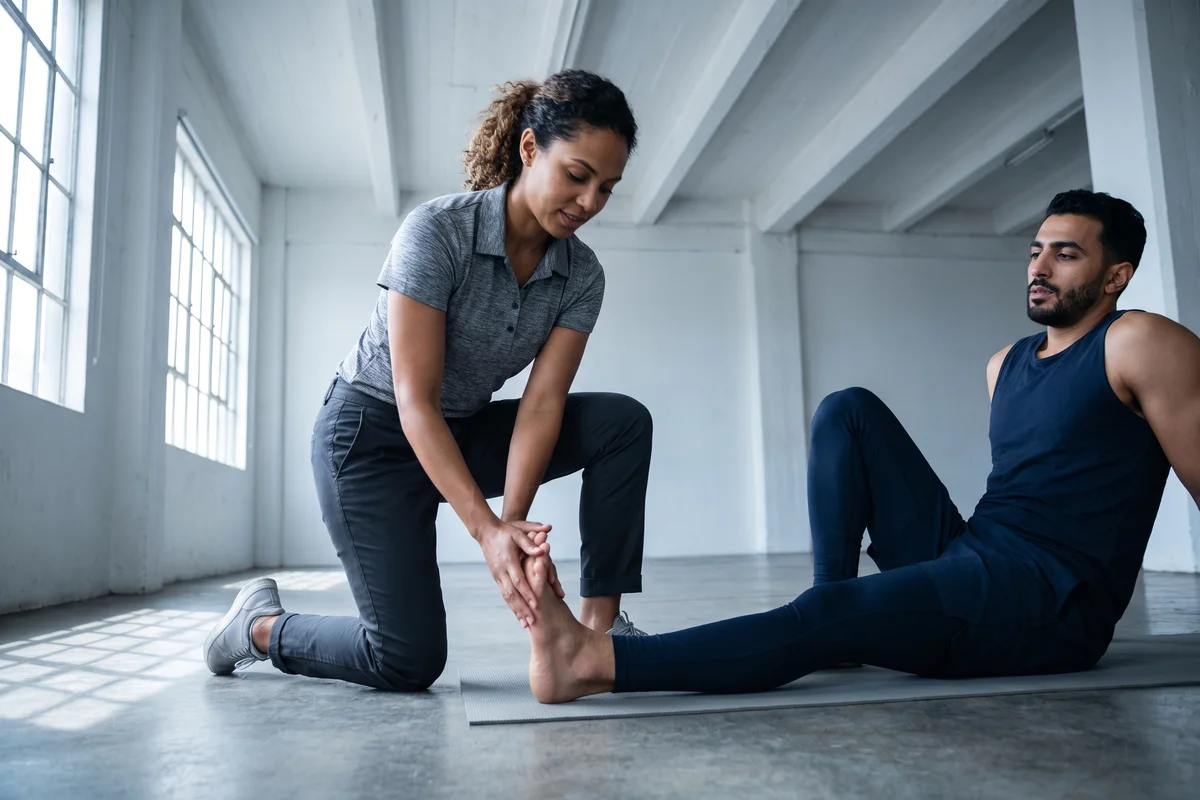
Treatment starts with finding which tissue is irritated and why it is being overloaded. We look at your training history, your strength and mobility, and how you move when you run. A gait and running mechanics assessment looks at how your foot lands, how your knee and pelvis move on each step, your stride and cadence, and what changes as you tire. Small, gradual adjustments, such as a slightly shorter stride, can shift load away from an irritated area. Hands-on care like manual therapy and dry needling can ease pain and stiffness so you can train productively, and stubborn tendon or heel pain may be a fit for shockwave therapy. When foot mechanics are part of the problem, we can evaluate you for custom foot orthotics.
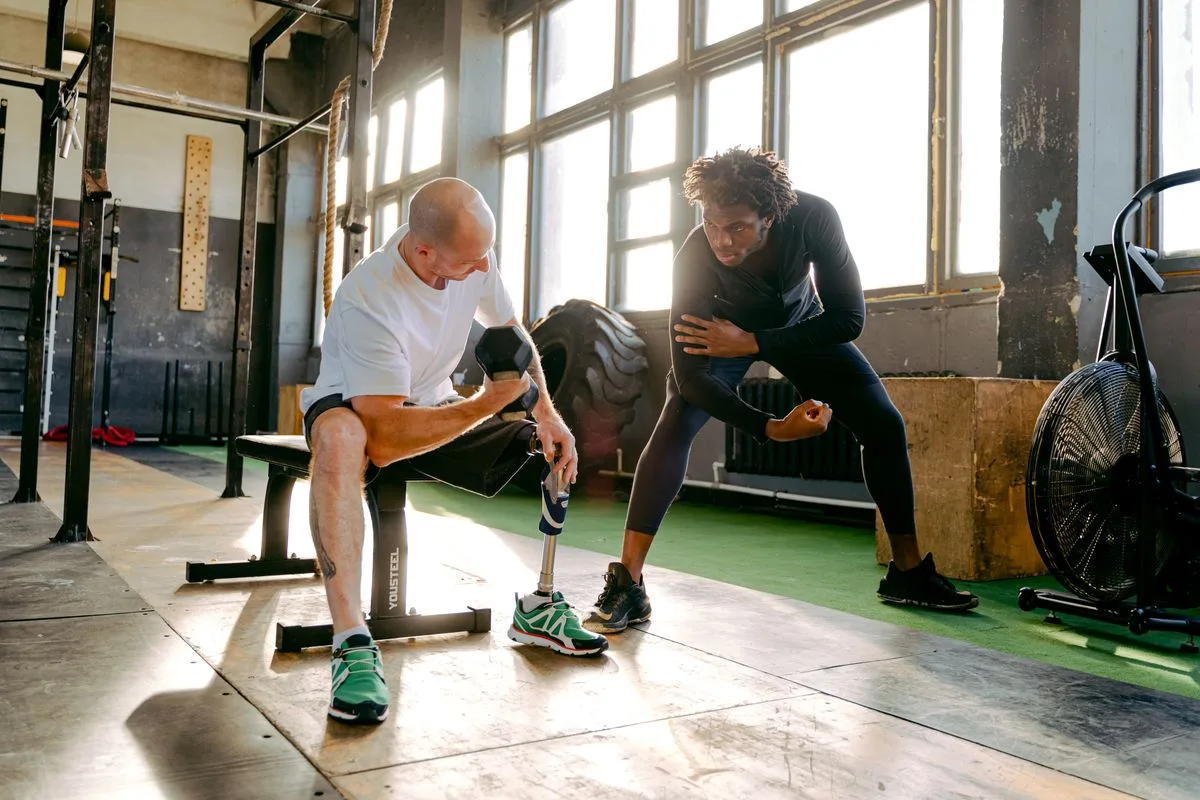
Most runners do not need to stop completely. We usually adjust volume, pace, and terrain so you can keep some running or cross-training while the irritated tissue settles. Strength training for the hips, thighs, calves, and feet runs through the whole plan, because a stronger body tolerates more miles. This is the same approach we use in sports physical therapy: treat the injury, fix what caused it, and build capacity so it does not come back.
We review your training, test strength and mobility, and look at how you run. You leave knowing what is irritated, why it happened, and how much running is reasonable right now.
Hands-on treatment and adjusted training settle the irritated tissue, while targeted strength work for the hips, thighs, calves, and feet builds the capacity your running demands.
We bring running back in planned steps, changing one thing at a time, such as distance, pace, or hills, and checking how your body responds the next day. Any changes to your running form are introduced gradually. The goal is to get back to your usual training and stay there.
Pinpoint bone pain that hurts at rest or at night, pain that makes you limp, swelling that does not settle, or groin pain that worsens with each run can point to a stress fracture or other injury that needs medical evaluation. Stop running and get it checked. A calf that is suddenly swollen, warm, and painful needs prompt medical attention.
I cannot recommend Ability Allies enough, they are simply the best! I have been working with Cam and have seen fantastic results.
Running injury care is built on sports physical therapy, with manual therapy and dry needling for pain, shockwave therapy for stubborn Achilles or heel pain, and custom foot orthotics when foot mechanics are involved.
Get evaluated for running injuries at our Portsmouth physical therapy clinic, Dover clinic, or Epping clinic. No referral needed in New Hampshire.

Runner's knee and IT band pain usually trace back to the hips. We treat both ends.

Every stride starts at the foot. Ankle and Achilles problems change how you load everything above.

First-step heel pain is common in runners and responds well to targeted care.