(603) 770-0408 · 68A Fogg Rd
Ability Allies

Custom Foot Orthotics & Shoe in Seacoast

Custom-molded support built from your own foot and gait, correcting the mechanics that generic shoe inserts were never designed to fix.

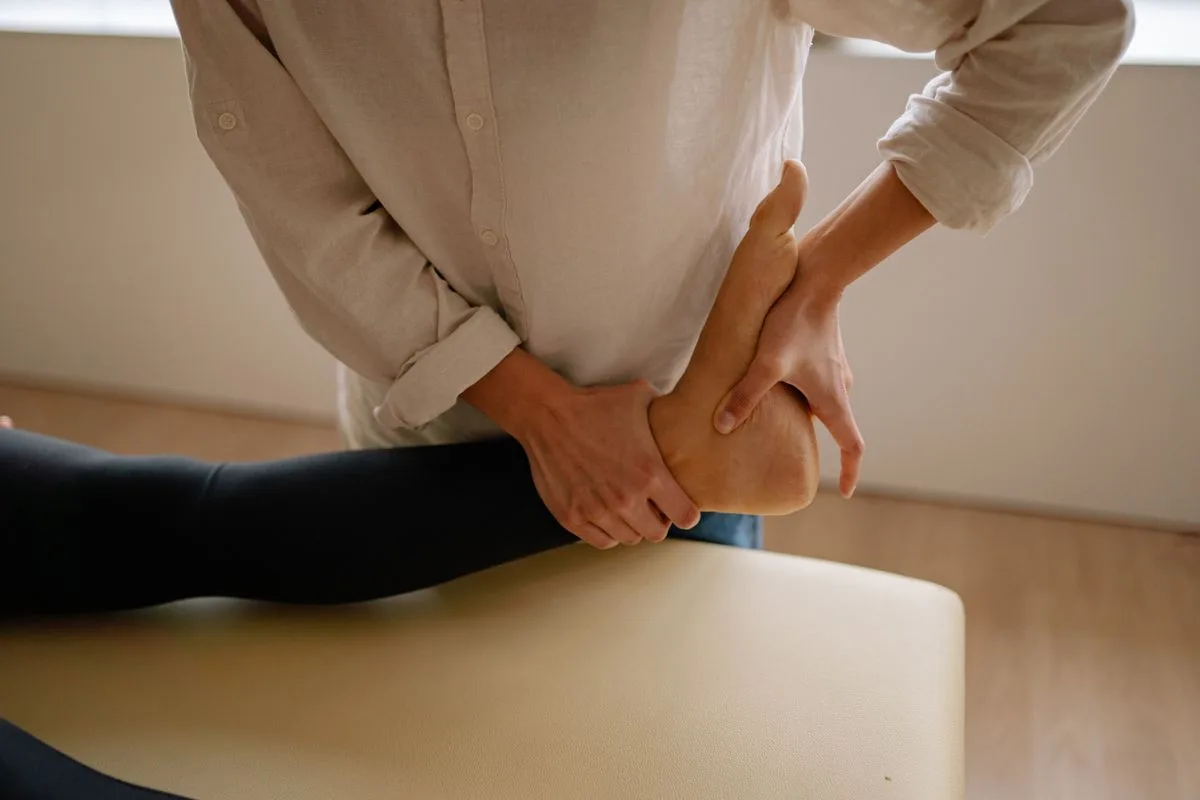
Custom Foot Orthotics & Shoe treatment session with a physical therapist at Ability Allies in Seacoast, NH
01What It Is

What are custom foot orthotics?

Store-bought inserts that never quite fixed the ache in your heel. Knee or hip pain that keeps circling back no matter what you do above the knee, when the real problem started at the ground. Custom foot orthotics are shoe inserts built specifically from a mold or scan of your own foot, designed to correct the exact way that foot moves and bears weight rather than offering generic, one-size-fits-most cushioning. Your therapist starts with a gait and biomechanical assessment, watching how your foot rolls through each step, where pressure concentrates, and how that pattern travels up into the ankle, knee, hip, and back. From there, a cast, foam impression, or digital scan captures the true shape and alignment of your foot, and the orthotic is built to that exact specification, whether that means correcting excess pronation or supination, supporting a collapsed arch, or offloading pressure from a painful spot like the heel or the ball of the foot. Because foot mechanics influence nearly everything above them, the right orthotic can quiet pain that shows up nowhere near the foot itself.

Fitting includes shoe guidance as well, since even the best orthotic underperforms in the wrong shoe. Your therapist evaluates your footwear alongside the orthotic, recommending styles or adjustments that let the device actually do its job, and follows up to fine-tune the fit as your symptoms change. A proper break-in period and a follow-up adjustment or two are a normal part of getting this right, not a sign that something went wrong the first time.

02Who It's For

Who it's for.

Custom orthotics are for anyone whose foot mechanics are driving pain, whether that pain shows up in the foot itself or travels up into the knee, hip, or back.

01

Plantar fasciitis or persistent heel pain

Heel or arch pain that is worst with your first steps in the morning often points to strain in the plantar fascia. A custom orthotic redistributes pressure and supports the arch in a way generic inserts rarely manage. This pattern is one of the most common reasons people come in for an orthotic evaluation in the first place.

02

Flat feet or overpronation causing pain higher up

A foot that rolls inward too far changes alignment all the way up the leg, often showing up as knee, hip, or low back pain. Correcting the mechanics at the foot can ease pain in joints far from where you actually feel it. It is not unusual for someone to spend months treating a knee or hip issue directly before realizing the foot underneath it was the actual source.

03

Diabetic or at-risk feet needing protection

Feet with reduced sensation or circulation need pressure redistributed carefully to prevent breakdown. Custom orthotics are built to protect vulnerable areas that a standard insert is not designed to address. Because these feet cannot always signal pain or pressure the way a healthy foot would, the orthotic's design leans heavily on prevention rather than symptom relief.

03What To Expect

What to expect in a session.

Getting fitted for custom orthotics happens over a few visits, from assessment through to a follow-up fit check once you have worn them in.

01

Gait analysis and foot assessment

Your therapist watches you walk and stand, assesses your arch, alignment, and current footwear, and identifies exactly what is driving your pain before any device is ordered. Your therapist also asks about your daily activity, work demands, and the shoes you wear most, since all of it factors into the final design.

02

Casting or scanning

A foam impression or digital scan captures the precise shape and position of your foot, which becomes the specification the orthotic is built to. This step takes just a few minutes and is not uncomfortable, though you will need to hold still briefly while the impression sets.

03

Fitting and follow-up adjustments

Once your orthotics arrive, your therapist fits them into your shoes and gives you a wear schedule to break them in gradually, then checks back to fine-tune the fit as needed. Most people need one or two follow-up visits before the fit feels completely natural, and that adjustment period is a normal part of the process.

Good to know

Bring the shoes you wear most often to your fitting so we can check space and fit. A short break-in period with mild new-pressure sensations the first week is common, but ongoing pain in a new spot should be reported so the orthotic can be adjusted.

In Their Words
My therapist, Dr Julia Miller, is so thorough and knowledgeable, I'm confident I'll reach my goals!
Karen M. · Google review
Your Next Step

Fix the foundation.

Custom orthotics work best alongside physical therapy that strengthens the foot and corrects how you move. Common reasons patients ask about it:

Ask about custom foot orthotics & shoe at our Portsmouth NH physical therapy clinic, Dover NH clinic, or Epping NH clinic. One-on-one care, same-week evaluations, and no referral needed in New Hampshire.

Explore More

Where to go next.

Request an Appointment

Ready when you are.

Epping HoursMon–Fri 8am–7pm, Sat–Sun Closed
Walk-insCall ahead
ClinicsPortsmouth · Dover · Epping
Book your evaluation. Same-week appointments available.
Step 1 of 6
First things first. What's your name?
We'll need a name to book you in.
Best number to reach you?
A phone number lets us confirm same-day.
And your email?
We'll send your confirmation here.
What questions do you have about your pain or injury?
A few words is all we need.
Which clinic works best for you?
Pick the clinic you'd like to visit.
Look right? Send it.
✓
Request received.

We'll call within business hours to lock in your time.

Book Now