(603) 770-0408 · 68A Fogg Rd
Ability Allies

Perimenopause Transition Support in Seacoast

The unpredictable shifts of perimenopause, from joint aches to cycle changes to new pelvic symptoms, can feel confusing when nothing quite explains them. Physical therapy offers concrete, hands-on ways to support your body through the transition.

01What Causes It

What causes pain during the perimenopause transition?

Perimenopause is the transition leading up to menopause, often lasting several years, during which hormone levels fluctuate unpredictably rather than declining smoothly. Those hormonal swings affect joints, muscles, connective tissue, and the pelvic floor, which is why symptoms can appear seemingly out of nowhere and vary month to month. Understanding that this variability is a normal part of the transition, not a sign that something is wrong with you, is often the first relief.

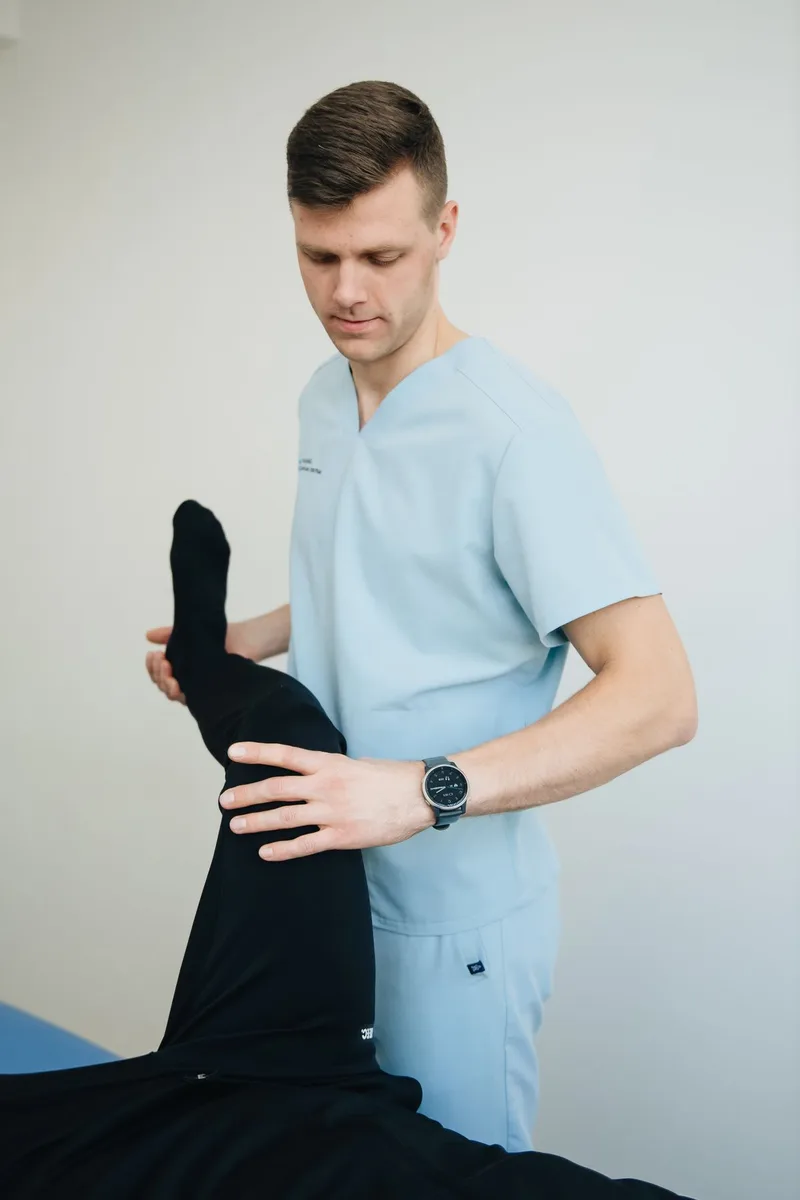
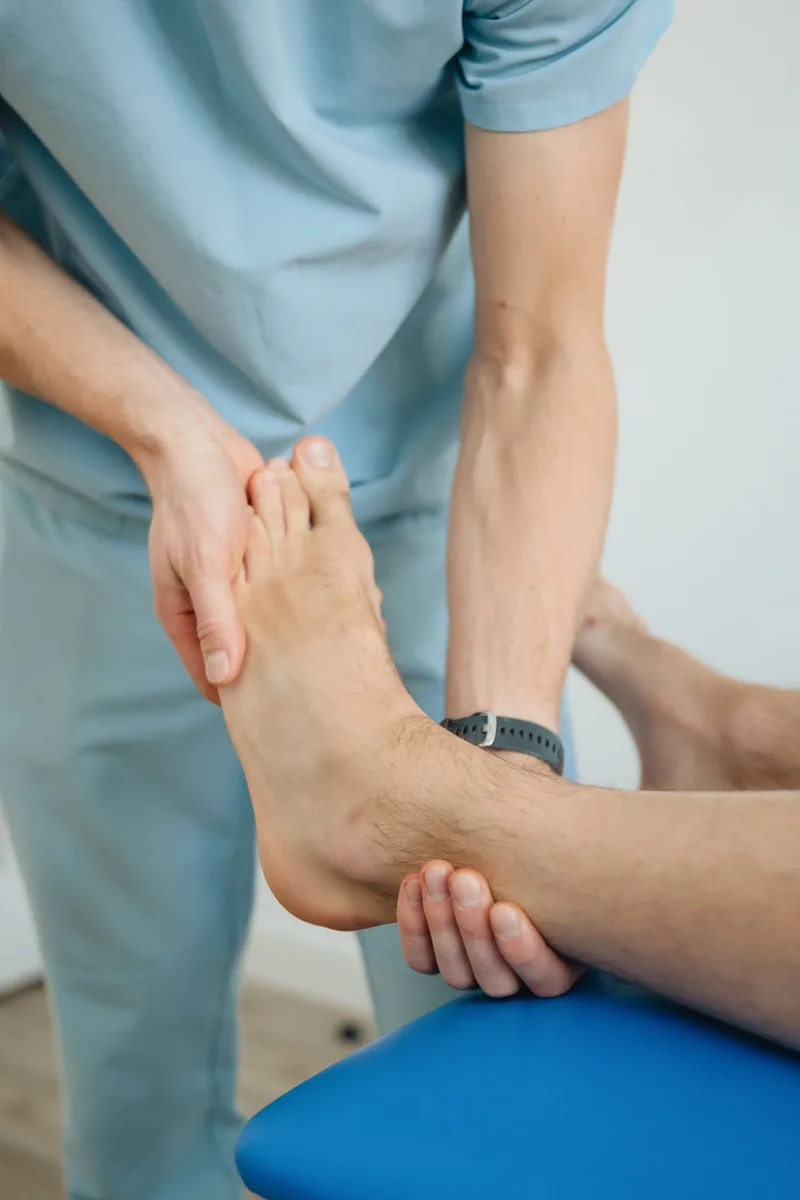
Physical therapist assessing a patient during the perimenopause transition at Ability Allies in Seacoast, NH

Unpredictable estrogen swings during perimenopause affect joint lubrication and connective tissue, which can cause aches that seem to come and go without a clear pattern. This can feel confusing, but it is a recognized part of the hormonal transition, and targeted mobility and strengthening work helps steady it.

Hormonal shifts during perimenopause can affect pelvic floor tissue and coordination, sometimes producing urgency or leaking years before full menopause begins. These symptoms are common at this stage and respond well to pelvic floor physical therapy.

Muscle maintenance can begin changing earlier than many women expect, sometimes starting during perimenopause rather than waiting for menopause itself. Strength training during this window is one of the most effective ways to offset losses before they compound.

Night sweats and disrupted sleep are common during perimenopause, and both increase sensitivity to pain while slowing tissue recovery. A treatment plan that accounts for inconsistent sleep and energy helps you make steady progress even on harder days.

New aches or fatigue often change how you move without you noticing, shifting load onto the low back and hips in ways that create secondary strain. Addressing the original symptom usually resolves this compensation pattern as well.
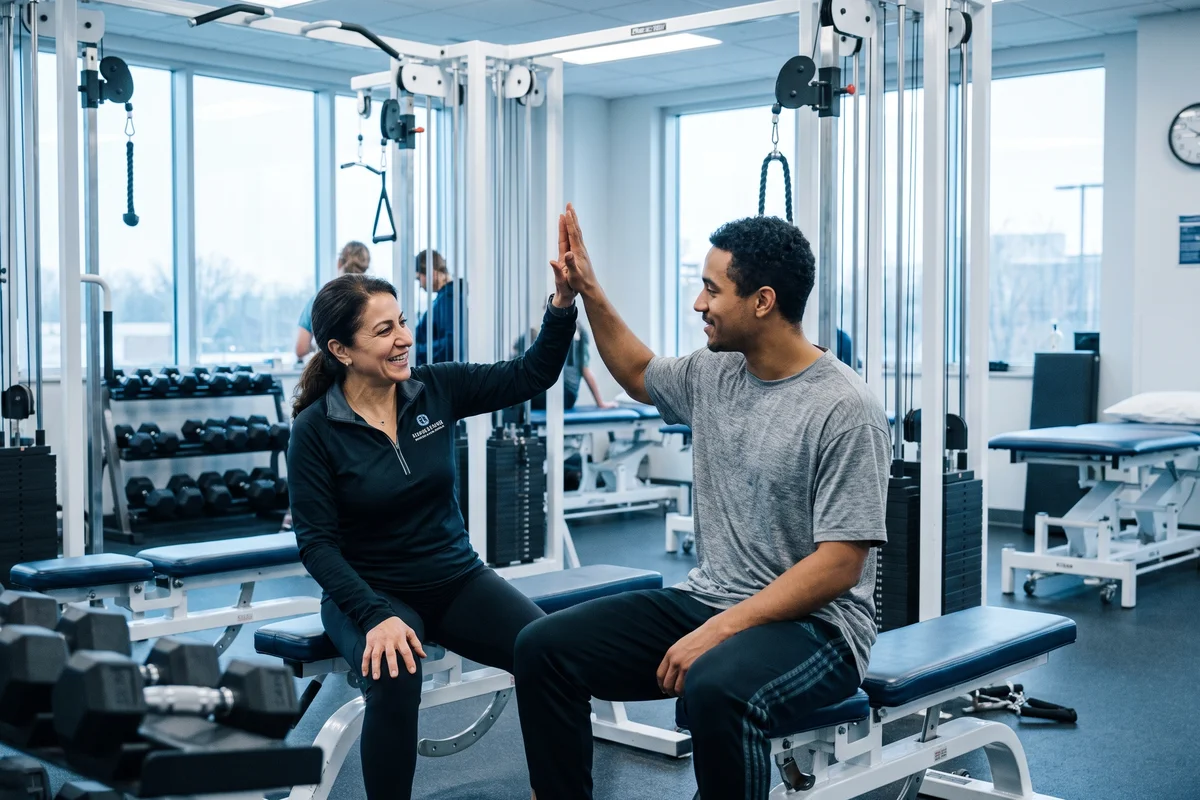
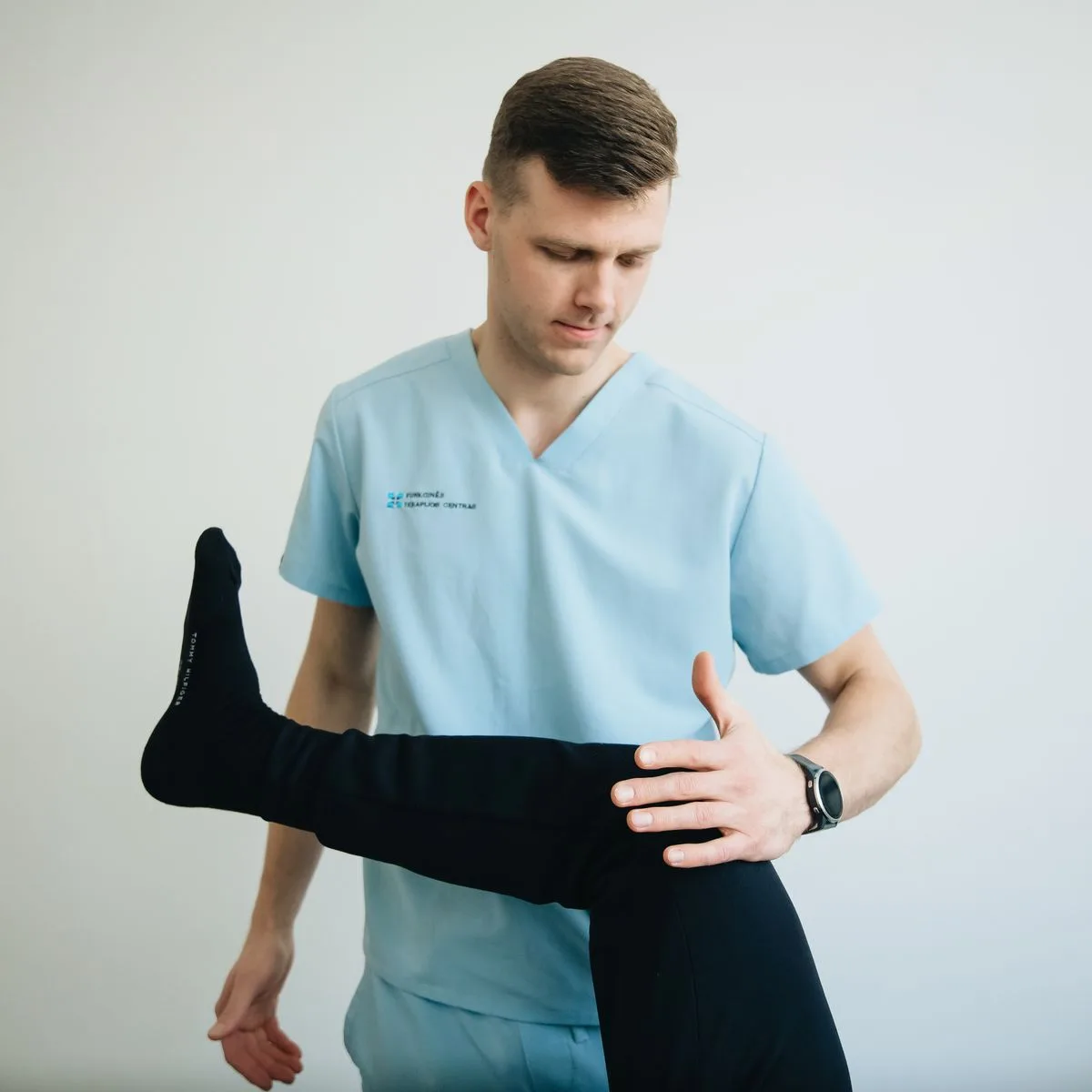
Therapist treating a patient during the perimenopause transition at Ability Allies in Seacoast, NH
02How PT Helps

How physical therapy in Seacoast helps.

Perimenopause can feel disorienting because symptoms shift from month to month, and physical therapy is built to adapt with you rather than offer one fixed protocol. Your evaluation looks at joint mobility, strength, posture, and, when relevant, pelvic floor function, since fluctuating hormones can affect all of these at once. If joints feel stiffer or achier than they used to, we combine manual therapy with targeted strengthening to support them. If new bladder symptoms or pelvic discomfort have appeared, pelvic floor therapy addresses those muscles directly, with any internal assessment explained fully and done only with your consent. We also look at how sleep disruption and fatigue may be affecting your movement and pain levels, and build a program that respects the days you have less capacity. The goal through this transition is not to chase every symptom individually, but to build a stronger, more adaptable foundation so your body handles the fluctuation with less difficulty.

03What To Expect

What to expect from your recovery.

01

Evaluation that accounts for fluctuation

We assess strength, mobility, posture, and pelvic floor function as needed, and talk through how your symptoms have shifted over recent months. This helps us build a plan flexible enough to match a changing transition.

02

Targeted, hands-on treatment

We use manual therapy and specific exercise to address whichever tissues are driving your symptoms this month, whether that is stiff joints, pelvic floor changes, or compensations elsewhere in the body.

03

A stronger foundation through the transition

We progress your strength and mobility program so you build resilience that carries you through perimenopause and into the years beyond it. You leave with tools you can adjust as your symptoms do.

In Their Words
Ability Allies treatment was a great experience all around. They really look at the causal issues of your pain.
Jeff D. · Perimenopause Transition · Google review
Your Next Step

Support for your body as hormones shift.

Perimenopause care can include pelvic floor therapy, physical therapy for strength and joint health, and manual therapy for stiffness and aches.

Ability Allies has clinics in Portsmouth, NH, Dover, NH, and Epping, NH. Call (603) 770-0408 about perimenopause symptoms and we will match you with the right therapist and location. No referral needed in New Hampshire.

Related Conditions

Pain rarely travels alone.

Request an Appointment

Ready when you are.

Epping HoursMon–Fri 8am–7pm, Sat–Sun Closed
Walk-insCall ahead
ClinicsPortsmouth · Dover · Epping
Book your evaluation. Same-week appointments available.
Step 1 of 6
First things first. What's your name?
We'll need a name to book you in.
Best number to reach you?
A phone number lets us confirm same-day.
And your email?
We'll send your confirmation here.
What questions do you have about your perimenopause symptoms?
A few words is all we need.
Which clinic works best for you?
Pick the clinic you'd like to visit.
Look right? Send it.
✓
Request received.

We'll call within business hours to lock in your time.

Book Now