A new knee joint solves the mechanical problem. Rebuilding the strength and confidence to actually use it is rehab's job, and starting it early is what protects your outcome.
Knee replacement surgery replaces the worn joint surface, but it does not automatically restore the strength, motion, and confidence you need to use it well. What led you to surgery, whether years of arthritis, an old injury, or long-term deconditioning, shapes exactly what your knee needs during recovery. Knowing what is driving your stiffness and pain after surgery is what makes rehab effective instead of generic.
Most knee replacements happen after years of arthritis wore down the cartilage that once cushioned the joint. That slow deterioration often left the surrounding quadriceps and hamstrings weak and inhibited long before surgery. The new joint fixes the mechanical problem, but the muscles around it still need dedicated retraining to catch up. Skipping that step is why some knees never move as well as the new joint allows.
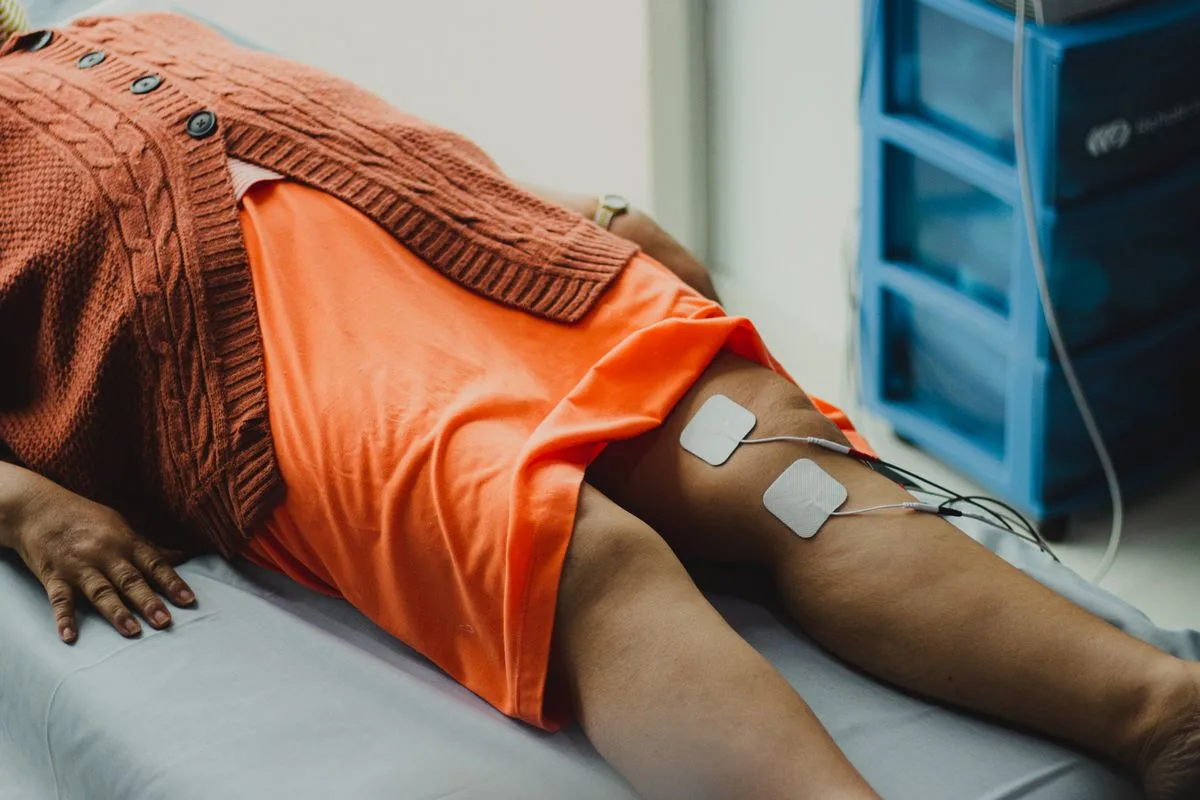
Swelling after knee replacement is one of the biggest obstacles to early motion. Fluid around the joint makes bending and straightening feel tight and guarded, and it can slow the return of normal walking mechanics if it is not managed well. Early, guided movement combined with swelling control is what keeps the knee from stiffening into a limited range during those first critical weeks.
The quadriceps often shut down reflexively after knee surgery, a response your nervous system uses to protect the joint. The problem is that a weak quad makes every part of recovery harder, from walking normally to climbing stairs. Reactivating and rebuilding that muscle is one of the single most important parts of a successful recovery, and it does not happen automatically.
As your incision and the deeper tissue layers heal, scar tissue forms around the joint. If it is not addressed, that tissue can restrict how far your knee bends or fully straightens, both of which are essential for normal walking. Manual therapy and progressive stretching keep that healing tissue from locking your range of motion short of where it should be.
Trusting a new joint with your full body weight takes time, and many people develop a guarded, altered walk to protect a knee that no longer needs that protection. Left uncorrected, that altered gait creates its own problems in the hip and back. Retraining a normal walking pattern is one of the quieter but most important parts of getting your knee replacement to actually feel like part of you again.
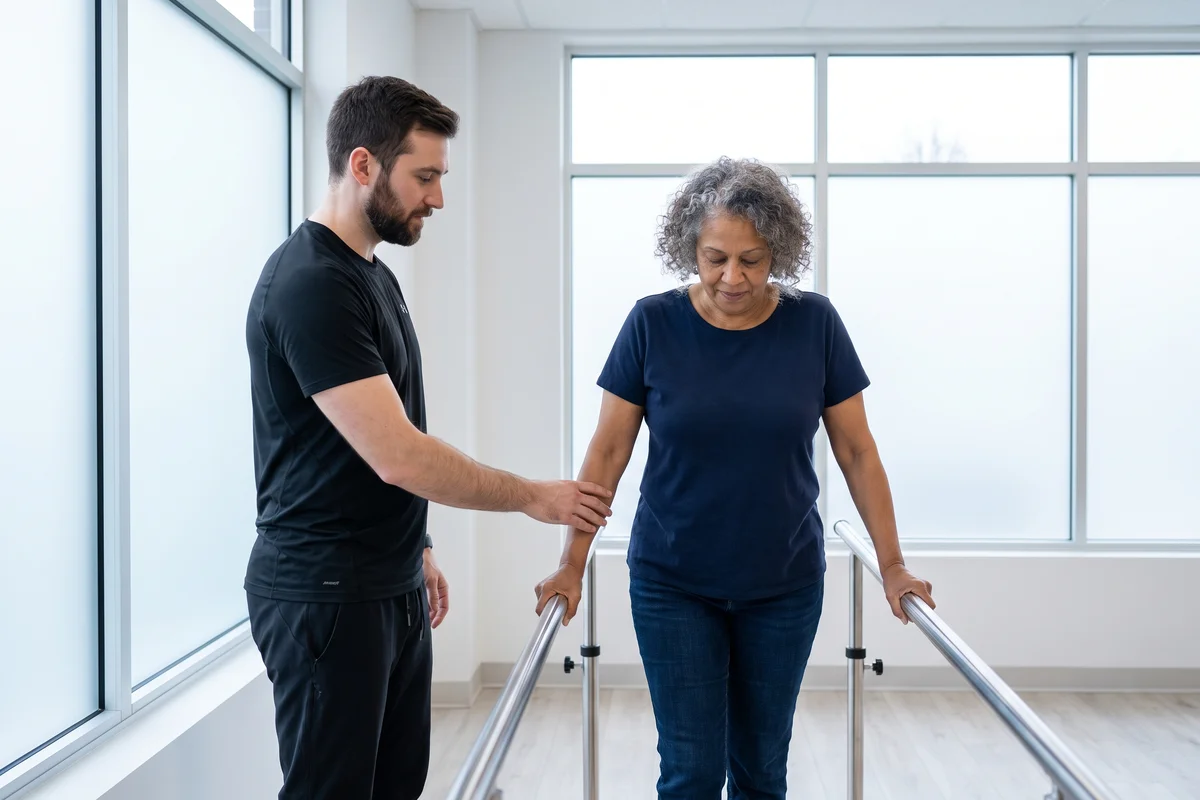
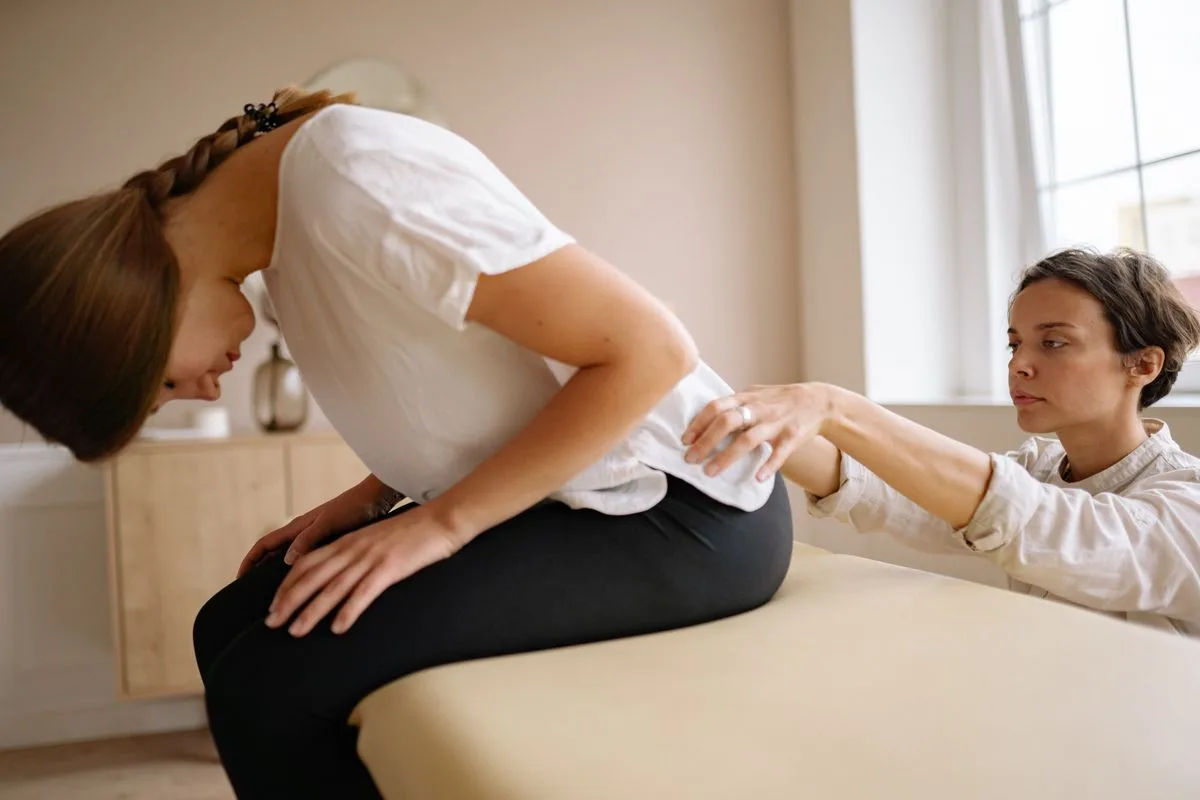
A new knee joint solves the mechanical problem that got you to surgery, but it does not rebuild the strength, motion, and confidence you need to actually use it. That part is rehab's job, and it works best when it starts early and progresses with your healing rather than waiting for pain to fully resolve first. In the early weeks, we manage swelling, protect the joint, and restore safe range of motion so your knee does not stiffen into a limited pattern. As healing allows, we rebuild the quadriceps and hamstrings, muscles that are often inhibited well before rehab even begins. We also work directly on scar tissue and joint mobility so your knee can achieve a full, functional bend and a complete straighten, both essential for a normal walking pattern. Every plan is one on one and adjusts to how your knee is actually responding. The goal is not just clearing you to walk. It is a knee that handles stairs, uneven ground, and the activities that surgery was meant to give back.
The first weeks focus on managing swelling, protecting the joint, and restoring safe range of motion. Gentle, guided movement keeps your knee from stiffening while it heals.
We retrain the quadriceps and hamstrings that often shut down after surgery, while working on scar tissue and joint mobility to restore a full, functional bend and straighten.
With strength, motion, and confidence restored, you return to stairs, walking, and the activities that led you to surgery in the first place. We make sure your new knee performs the way it was meant to.
Julia exceeded my expectations. I was nervous because I've never had PT. She made me feel so comfortable.
Knee replacement rehab uses physical therapy to restore bending, straightening, and strength, cold compression therapy for swelling, and occupational therapy when daily tasks at home need extra support.
Get evaluated for knee replacement rehab at our Portsmouth physical therapy clinic, Dover clinic, or Epping clinic. No referral needed in New Hampshire.

Persistent back pain often becomes chronic pain. We address both the structure and the nervous system.

Arthritis pain can sensitize the nervous system over time. We treat both the joint and the pain pattern.

Chronic headaches often involve tension and nervous system sensitivity. Movement and relaxation help.