Stainless steel instruments that find the scar tissue and fascial restriction your hands can't feel, then break it up so movement finally returns.

You have stretched it, rested it, and it still feels tight in the same stubborn spot. That is often a sign of scar tissue or fibrotic buildup deep in the muscle or tendon, tissue that formed disorganized during healing and now restricts motion in a way stretching alone cannot fix. The Graston Technique is a form of instrument-assisted soft tissue mobilization that uses specially contoured, stainless steel tools to find and treat exactly that kind of restriction. As the therapist strokes the tool across your skin, the metal edge picks up on textures a hand often misses, small areas of adhesion, thickened fascia, or gritty scar tissue that feel different from healthy, pliable muscle. Once located, the therapist uses the tool's edge to apply focused pressure directly to that tissue. This controlled micro-trauma prompts your body's natural inflammatory response, which sounds counterintuitive, but that response is exactly what kickstarts the remodeling process: breaking down the disorganized scar tissue and encouraging your body to lay down new collagen in a more organized, flexible pattern. The result over a series of sessions is tissue that moves the way it is supposed to again.
Graston is a certified system, not generic tool-scraping. Clinicians complete specific training in the instruments, the stroke patterns, and the pressure calibration needed to treat different tissue depths safely and effectively. That training is what allows a therapist to tell the difference between a restriction that needs another pass and tissue that has already done its work, which is exactly the judgment that keeps the technique both safe and genuinely effective.
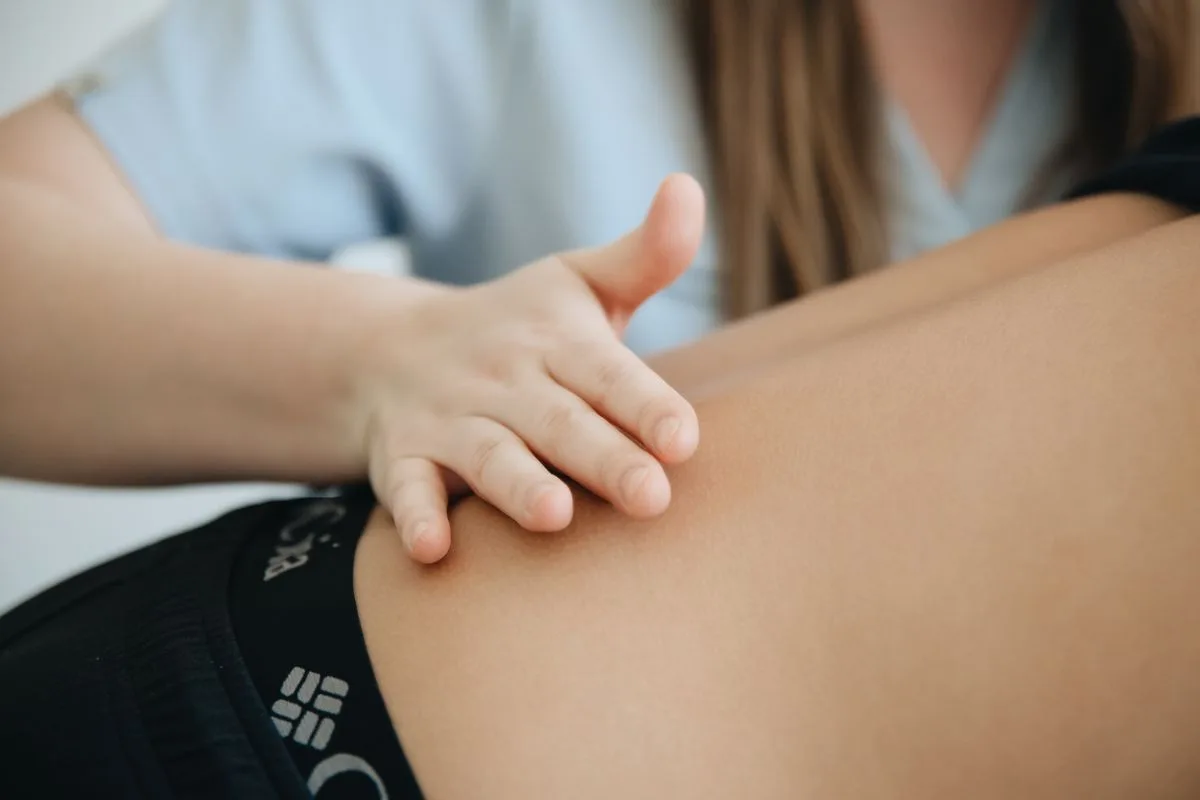
The Graston Technique is for restrictions that formed under the surface, from surgery, injury, or months of repetitive strain. If a spot feels permanently tight no matter how much you stretch it, this is worth exploring.
Healing tissue can form dense, disorganized, and stiff. Graston breaks up that scar tissue directly, restoring the glide between tissue layers that surgery or injury took away, often reaching restrictions that months of passive stretching never fully released.
Tennis elbow, plantar fasciitis, and Achilles pain often involve degenerated tendon tissue that simply resting will not resolve. Graston stimulates the repair process directly at the site of the problem instead of waiting for time alone to do the work.
The same muscle or tendon tightens up every season from the same repeated motion. Graston addresses the adhesions building up from that repetition before they turn into a bigger problem that sidelines you from training or competition.
Graston sessions are brief and direct, and most people can feel the difference in mobility before they even leave the treatment table that day.
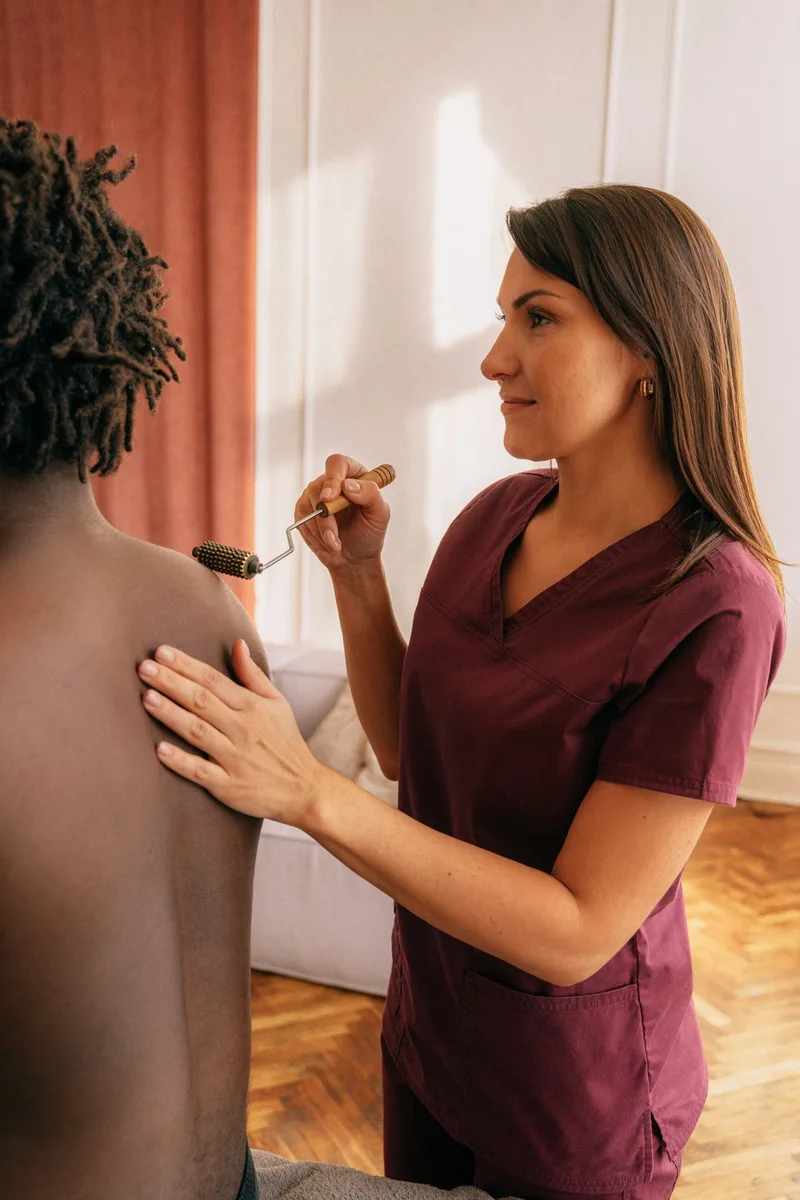
Your therapist palpates the area and glides the instrument across the skin to locate restricted or fibrotic tissue, feeling and sometimes hearing a subtle catch where healthy tissue would move freely. This mapping guides exactly where the work happens next.
Using controlled strokes and calibrated pressure, the therapist works the instrument directly over the identified restriction. You will feel firm pressure and some discomfort, but it should never feel sharp or unbearable at any point during the session.
Immediately after, you stretch and move the treated area to reinforce the new mobility while the tissue is primed to respond, then follow a simple home routine to build on the gains between visits and keep the tissue progressing.
Mild bruising, redness, or soreness in the treated area for a day or two afterward is common and expected, not a sign of a problem. Tell your therapist if you take blood thinners, have a bleeding disorder, or have an active skin infection before your session begins.
I cannot recommend Ability Allies enough, they are simply the best! I have been working with Cam and have seen fantastic results.
Graston Technique is one of our instrument-assisted soft tissue options, used alongside manual therapy and exercise. Common reasons patients ask about it:
Ask about Graston Technique at our Portsmouth NH physical therapy clinic, Dover NH clinic, or Epping NH clinic. One-on-one care, same-week evaluations, and no referral needed in New Hampshire.

Skilled hands-on techniques to release restrictions and restore movement where you need it most.

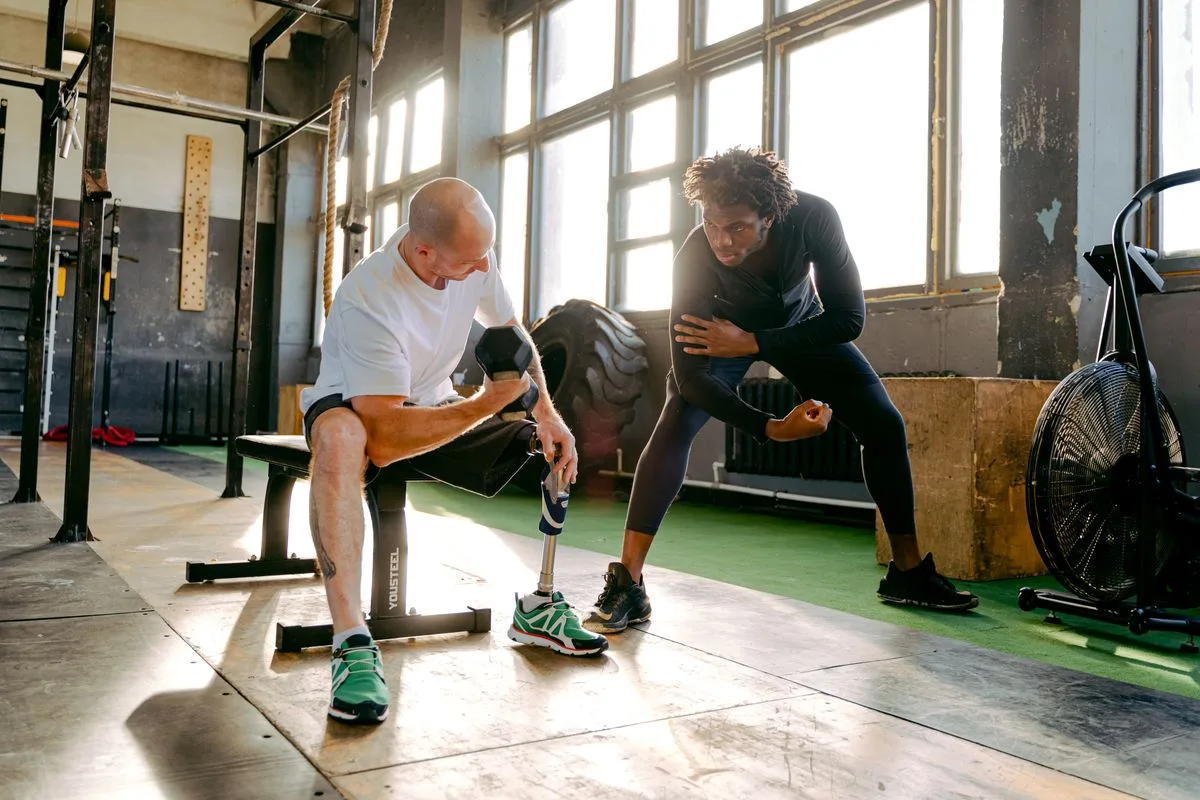
Return-to-play programs built around your sport, your position, and your timeline.

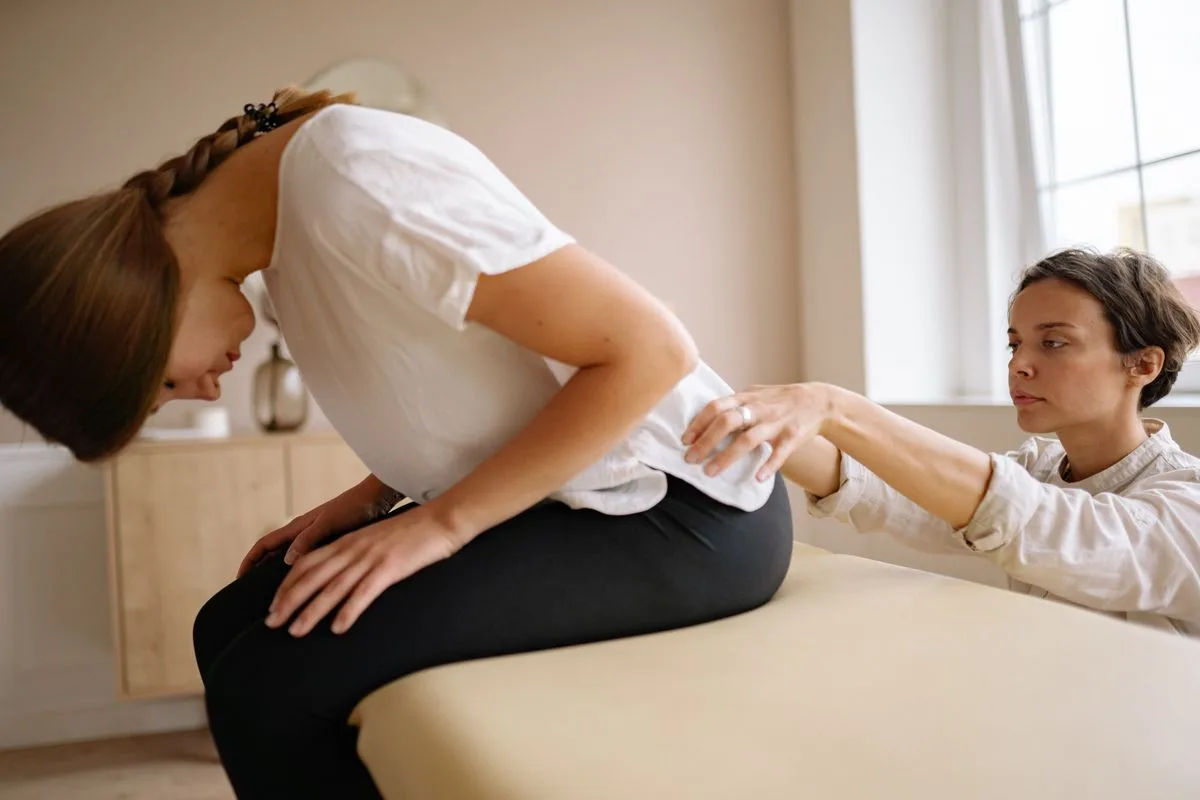
The most common reason people find us. We treat the cause of the pain, not just the symptom.