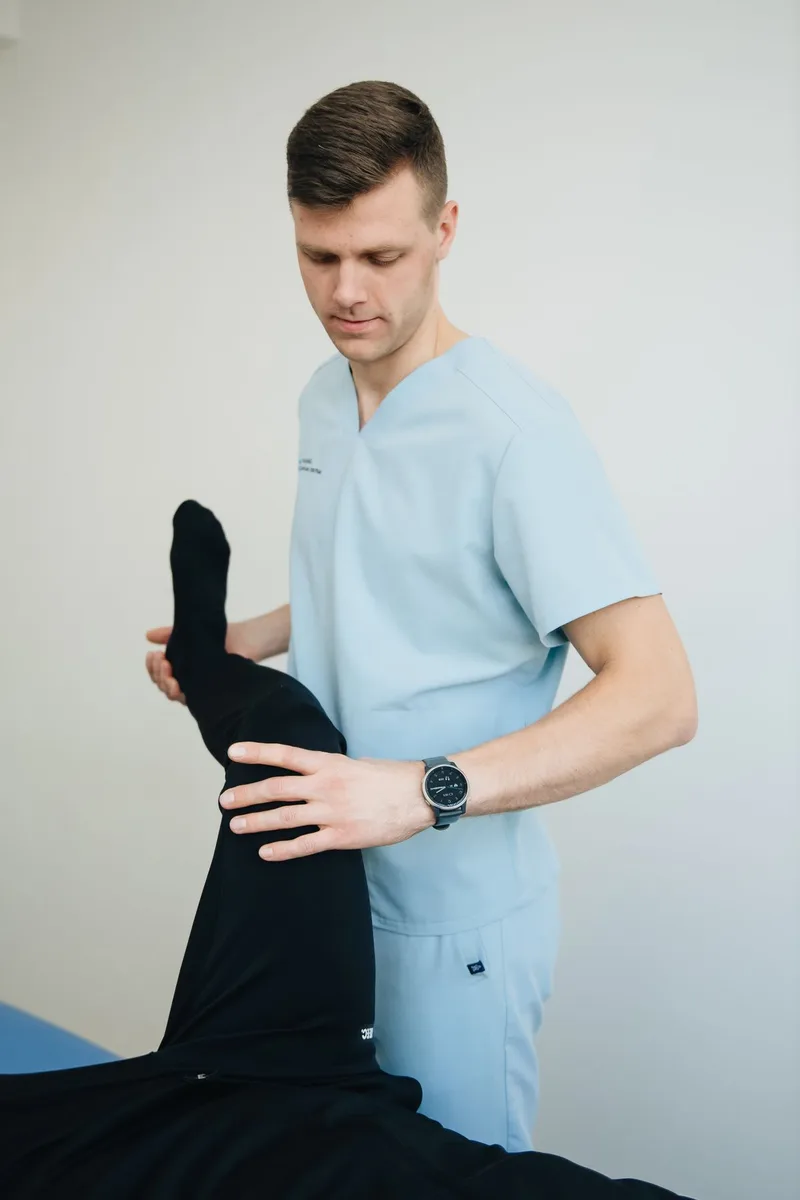
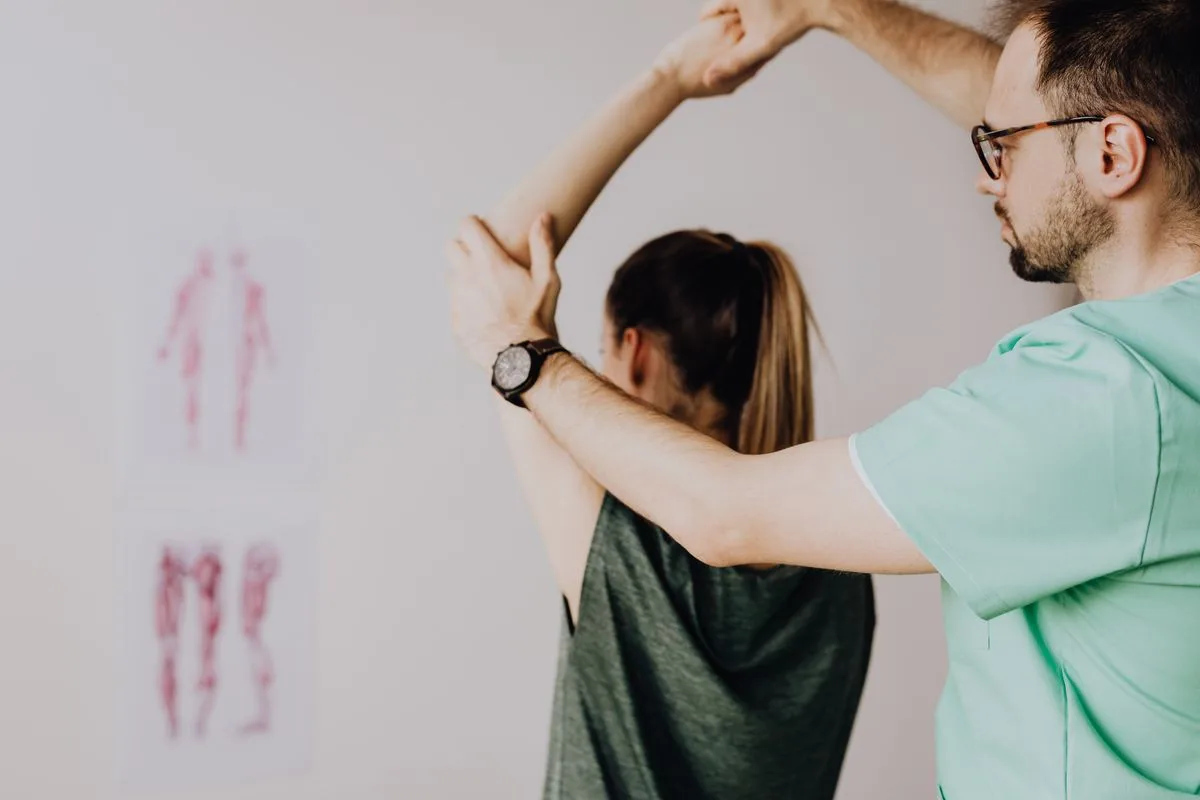
Abdominal pain that lingers rarely means something is torn or broken. More often it means your core needs better support, and that is something physical therapy treats well.
Abdominal pain that lingers past a few days rarely means something is torn or broken inside. More often it traces back to the muscles, connective tissue, and nerves of your core and trunk, structures that respond well to skilled hands-on care and the right movement. Pinpointing whether the pain comes from the abdominal wall itself, an old surgery, or a nearby joint is what separates a plan that actually works from one that just treats the symptom.
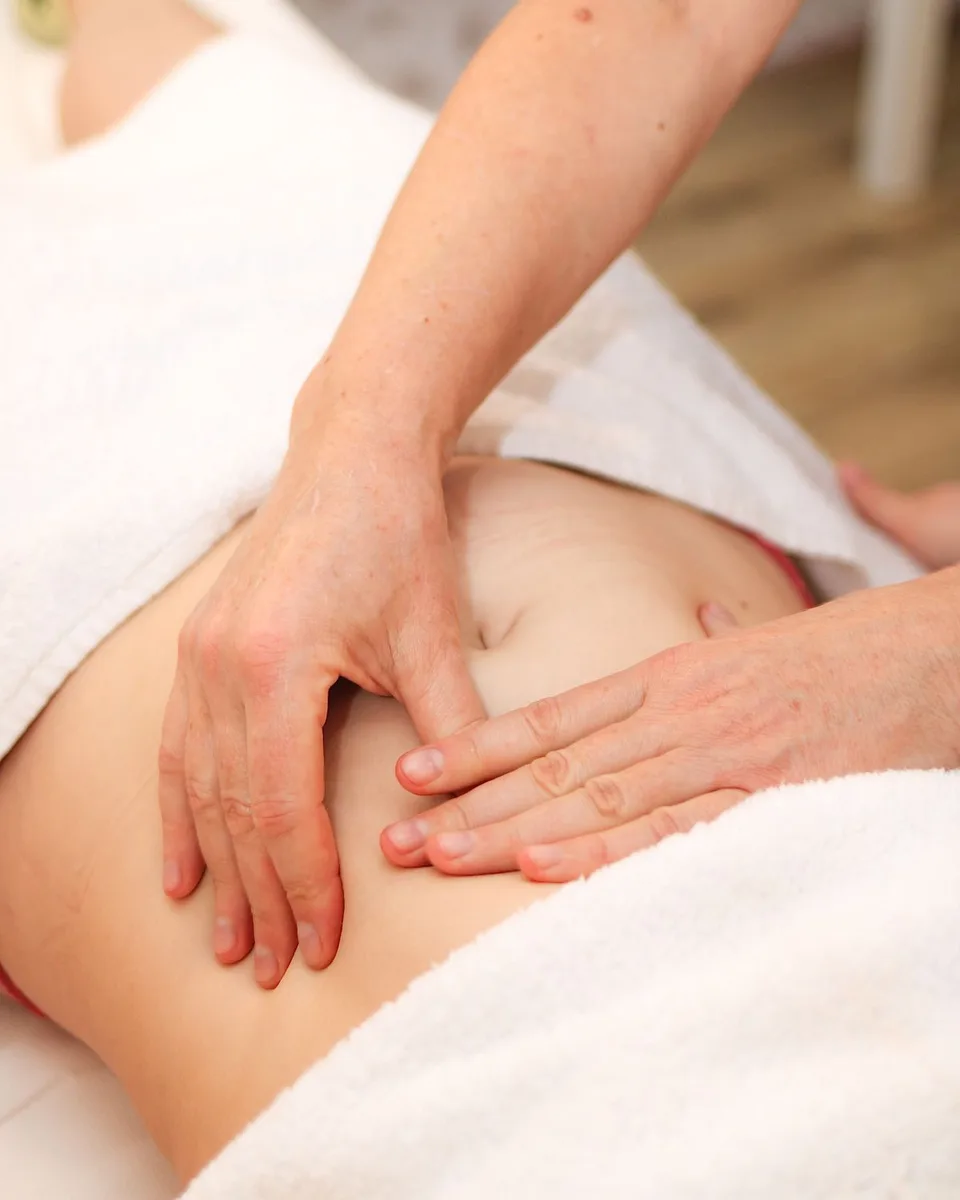
Coughing hard, twisting awkwardly, or overworking your core during exercise can strain the muscles of the abdominal wall itself. This pain often gets mistaken for something internal, but it usually responds well to targeted soft tissue work and a gradual return to loading. Pressing on the area and feeling the pain reproduce right at the muscle is often the clearest sign this is the source, rather than an organ or deeper structure.
Pregnancy, rapid weight change, or years of poor core mechanics can separate the two sides of the abdominal muscles along the midline. That gap changes how your core transmits force, which shows up as pain, a bulge, or a feeling of weakness with everyday movement. Retraining the deep core muscles to work together again is what closes the gap functionally and takes the strain off the area.
Small nerves that run through the abdominal wall can get pinched where they pass through muscle and connective tissue, a condition sometimes called anterior cutaneous nerve entrapment. It creates sharp, localized pain that can mimic an internal problem and often gets missed on imaging because there is nothing to see on a scan. Manual therapy that releases the surrounding tissue frequently brings noticeable relief.
Any abdominal surgery, from a C-section to a hernia repair, leaves scar tissue behind as part of normal healing. That tissue can restrict how your abdominal wall glides and stretches, creating pulling, tightness, or pain well after the incision has closed. Scar mobilization and gentle progressive movement help the tissue regain the flexibility it lost during healing.
The abdomen does not work in isolation. Tightness or dysfunction in the low back, hip flexors, or pelvic floor can refer pain forward into the abdomen even when the abdominal tissue itself is healthy. Treating only where the pain shows up misses the real driver. A full evaluation of the trunk and pelvis is what catches this pattern.

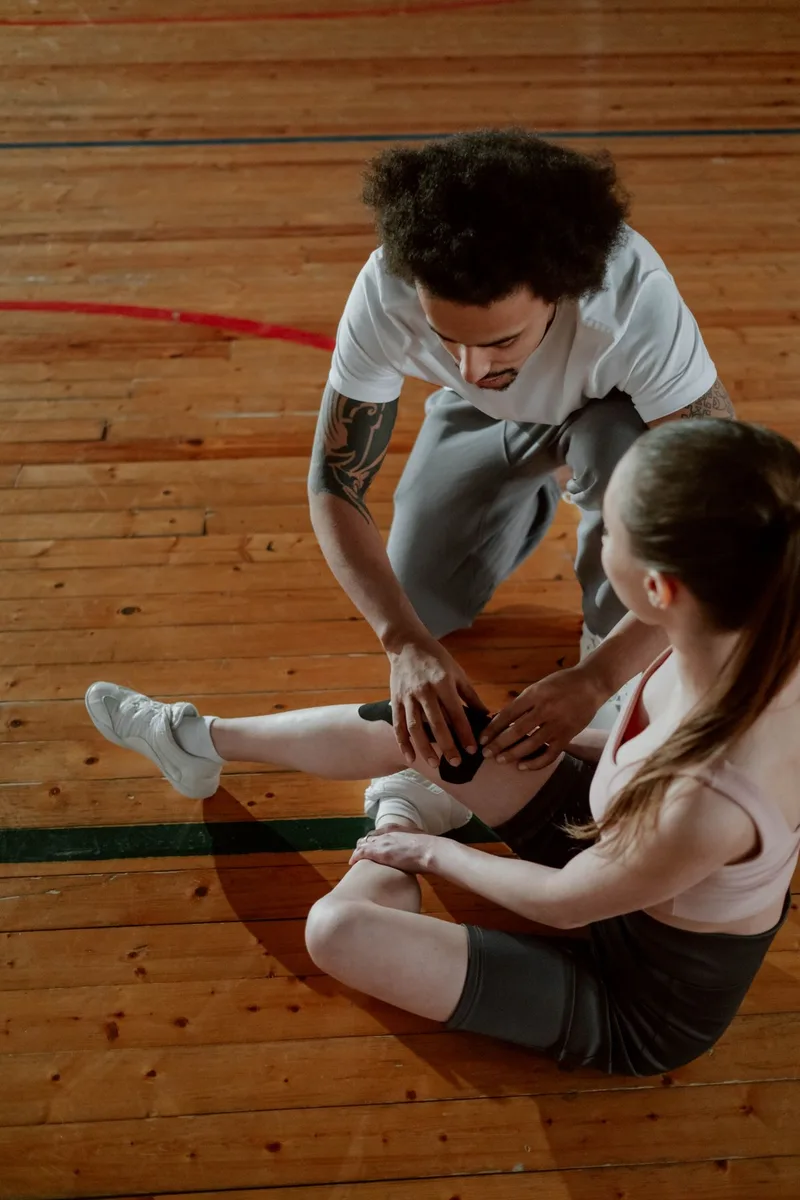
Abdominal pain gets better when the true source is identified, not just the spot that hurts. A thorough evaluation looks at your abdominal wall, your posture, your breathing pattern, and how your core, hips, and pelvic floor work together, because pain in this area is rarely caused by just one structure. Once we know what is actually driving your symptoms, treatment starts with hands-on techniques that calm irritated tissue and restore normal movement in the muscles and fascia around your core. From there, we rebuild the strength and coordination your trunk needs to support daily activity without strain. This is not generic core exercise handed to every patient. Your program is built around what your evaluation shows, whether that means retraining a separated core, releasing scar tissue from an old surgery, or addressing a nerve that has become sensitized. Every session is one on one, so your plan adjusts as your body responds. The goal is a core that supports you through lifting, exercising, and daily life without the pain pulling you back.
Your first visit maps out exactly where your pain comes from, whether it is the abdominal wall, an old scar, a nerve, or a nearby joint. You leave with a clear explanation of what is driving your symptoms and a realistic plan for relief.
We use manual therapy and scar or soft tissue work to calm irritated tissue and restore normal movement. Gentle, targeted exercise begins here to keep your core moving without aggravating the area.
As pain settles, we rebuild coordinated strength through your core, hips, and pelvic floor. You return to lifting, exercising, and daily activities with a trunk that can actually support them.
During my sessions at the clinic with Cam I have experienced a decrease in pain! I always walk into a positive atmosphere.
Care for abdominal pain often pairs pelvic floor therapy for the deep core and pressure system with manual therapy for restricted tissue and scar tissue, then builds strength through one-on-one physical therapy.
Ability Allies has clinics in Portsmouth, NH, Dover, NH, and Epping, NH. Call (603) 770-0408 about abdominal pain and we will match you with the right therapist and location. No referral needed in New Hampshire.

Whether it is a tackle, a fall, or overuse, sports injuries need sport-informed treatment. We get you back in the game.

Hip and knee injuries often go hand in hand. We treat the whole kinetic chain.

Stiff, unstable joints limit what you can do. We restore mechanics and build strength.