(603) 770-0408 · 68A Fogg Rd
Ability Allies

Spinal Manipulation in Seacoast

Spinal Manipulation delivers the precise, controlled adjustment that breaks a locked spinal joint free, the release that stretching alone often cannot reach.

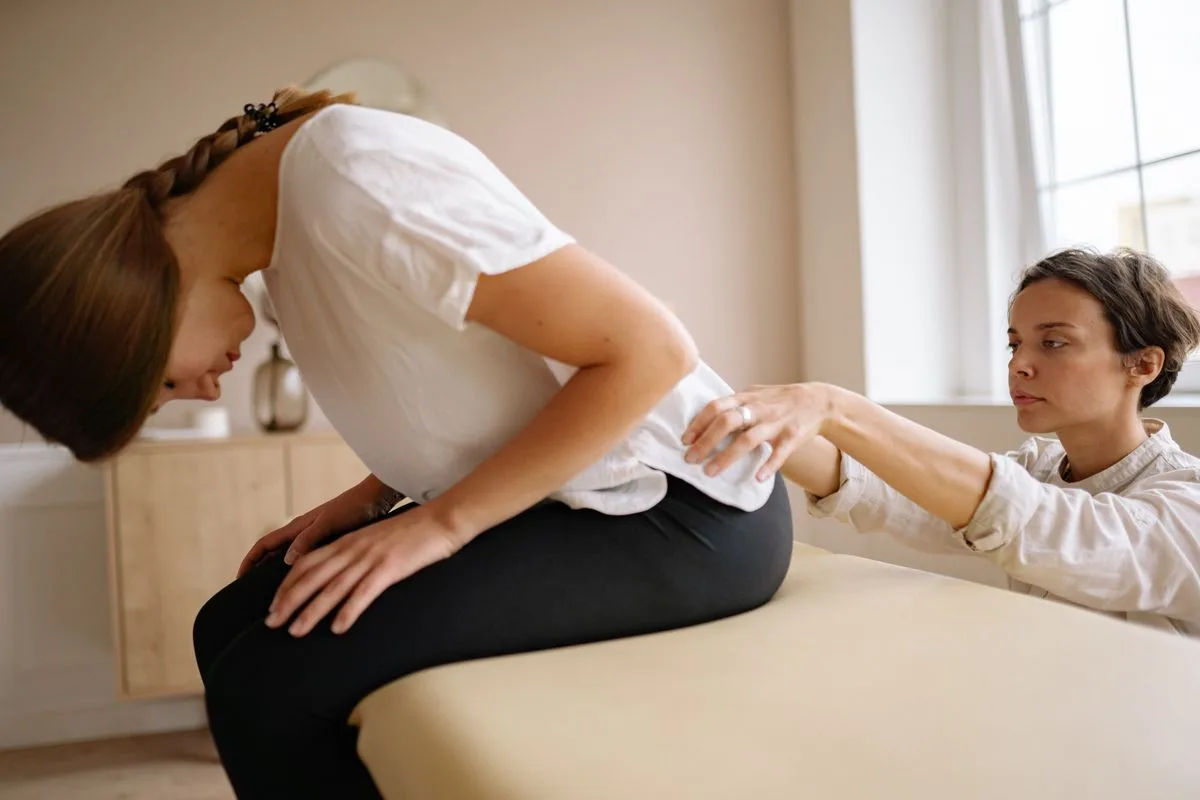
Spinal Manipulation treatment session with a physical therapist at Ability Allies in Seacoast, NH
01What It Is

What is Spinal Manipulation?

Spinal Manipulation is a manual technique in which a therapist applies a quick, controlled, low-amplitude thrust to a spinal joint at the end of its available range of motion. The goal is to restore normal motion to a joint that has become restricted, a condition often called hypomobility, where the small facet joints of the spine are not gliding the way they should. This restriction can develop from poor posture held over time, a sudden awkward movement, prolonged sitting, or simply guarding after an earlier injury, and it often creates pain locally as well as referred tension in nearby muscles that are working overtime to compensate. The audible pop that sometimes accompanies a manipulation is simply gas releasing from the joint capsule as pressure changes, not anything breaking or shifting out of place. What patients typically notice immediately afterward is an increase in range of motion and a decrease in the muscle guarding that was protecting the restricted area. Spinal Manipulation is rarely used in isolation. It is usually paired with the exercise and movement work that keeps a joint from settling right back into the same restricted pattern once you leave the clinic.

This technique requires training and certification specific to manipulation, beyond a standard physical therapy degree, and careful screening before it is ever used. A therapist trained in this approach evaluates which segment is restricted, in which direction, and confirms there is no reason manipulation would be unsafe for you before proceeding. The technique itself is matched precisely to the joint and direction of restriction found in your assessment, which is what separates a manipulation that resolves the problem from one that never should have targeted that segment to begin with, and it is exactly why screening always comes first.


02Who It's For

Who it's for.

Spinal Manipulation is for joint restriction and stiffness that has not responded to stretching or general movement alone. These are the patterns we see most often.

01

Neck stiffness with limited rotation

Turning your head to check a blind spot or look over your shoulder has become genuinely limited, not just uncomfortable. Manipulation can restore the missing rotation at the restricted joint far faster than stretching alone tends to manage, especially when one segment is the clear source of the limitation.

02

Low back pain from joint restriction

A specific segment in your low back is not moving the way it should, and the muscles around it have been guarding and spasming in response. Restoring motion at the actual restricted joint often calms that surrounding guarding down quickly, sometimes within the same visit.

03

Recurring episodes of a joint locking up

Your back or neck periodically locks into a restricted position, then eventually eases on its own, only to repeat again weeks later. Manipulation paired with corrective exercise addresses the underlying pattern instead of just waiting out each episode until the next one arrives.

03What To Expect

What to expect in a session.

Spinal Manipulation sessions begin with careful screening before any hands-on technique is used. Here is what a typical visit looks like.

01

Screening and assessment

Your therapist reviews your history and tests movement segment by segment to confirm exactly which joint is restricted and to rule out any reason manipulation would not be appropriate for you right now. You are told exactly what to expect before anything hands-on begins.

02

The manipulation itself

You are positioned so the restricted joint is at the end of its available motion, and your therapist applies a quick, precise thrust. Most people feel an immediate increase in range of motion, sometimes with an audible pop, and little to no discomfort during the technique itself.

03

Post-treatment movement and reinforcement

You move through exercises that reinforce the newly restored range so the joint does not simply drift back into the same restriction. This active step is what makes the gain from manipulation hold between visits instead of fading within a day or two.

Safety note

Tell your therapist about any history of osteoporosis, spinal fracture, recent spinal surgery, or instability before your first session. Manipulation is not appropriate for everyone, and careful screening always comes before any hands-on technique.

In Their Words
Ability Allies treatment was a great experience all around. They really look at the causal issues of your pain.
Jeff D. · Google review
Your Next Step

Restore motion, then build support around it.

Spinal manipulation is one tool within manual therapy, followed by exercise so the gains hold. Common reasons patients ask about it:

Ask about spinal manipulation at our Portsmouth NH physical therapy clinic, Dover NH clinic, or Epping NH clinic. One-on-one care, same-week evaluations, and no referral needed in New Hampshire.

Explore More

Where to go next.

Request an Appointment

Ready when you are.

Epping HoursMon–Fri 8am–7pm, Sat–Sun Closed
Walk-insCall ahead
ClinicsPortsmouth · Dover · Epping
Book your evaluation. Same-week appointments available.
Step 1 of 6
First things first. What's your name?
We'll need a name to book you in.
Best number to reach you?
A phone number lets us confirm same-day.
And your email?
We'll send your confirmation here.
What questions do you have about your pain or injury?
A few words is all we need.
Which clinic works best for you?
Pick the clinic you'd like to visit.
Look right? Send it.
✓
Request received.

We'll call within business hours to lock in your time.

Book Now