(603) 770-0408 · 68A Fogg Rd
Ability Allies

Nerve Pain Treatment in Seacoast

Burning, tingling, or numbness is not something you have to just manage forever. Finding exactly where a nerve is irritated or compressed is the first step toward calming it down for good.

01What Causes It

What causes nerve pain?

Nerve pain feels different from muscle or joint pain: burning, electric, tingling, or numb instead of a dull ache. That is because something along the path of a nerve, whether at the spine, a tight muscle, or a narrow tunnel the nerve passes through, is compressing or irritating it. The exact location of that irritation determines where you feel the symptoms, which is often far from where the real problem lives.
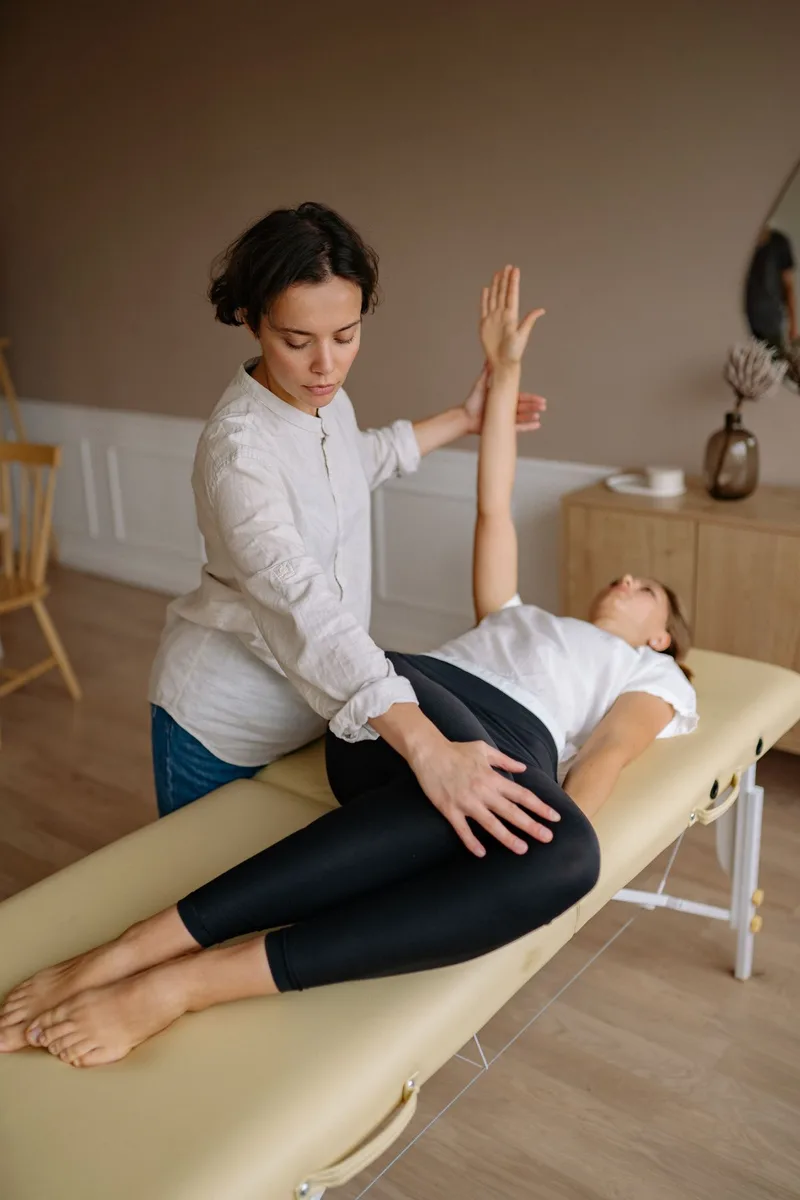
Physical therapist assessing a patient for nerve pain at Ability Allies in Seacoast, NH

When a spinal disc bulges or herniates, it can press directly on the nerve root exiting the spine, sending pain, tingling, or numbness down the arm or leg depending on the level involved. The disc itself often calms with time, but the muscles around it need to be strong and the surrounding joints mobile enough to take pressure off the irritated nerve while that happens. This responds well to a directional approach based on what movements ease your specific symptoms.

Nerves travel through tunnels made of muscle and connective tissue on their way to your hands and feet. When those muscles get tight, from overuse, poor posture, or an old injury, they can squeeze the nerve passing through them, causing symptoms far from the actual tight spot. The piriformis muscle pinching the sciatic nerve in the hip is a classic example. Releasing the tight tissue around the nerve is often the fastest route to relief.

Repetitive wrist and hand movements, whether from typing, tool use, or sport, can narrow the tunnels nerves pass through at the wrist and elbow, causing tingling, numbness, or weakness in the hand. Tendon swelling and muscle tightness both contribute to the narrowing. Addressing the mechanics of the wrist, forearm, and neck together, rather than just resting the hand, is what actually resolves the compression long-term.

Sciatica is nerve pain that runs from the low back down through the buttock and leg, usually from a disc or a tight muscle compressing the sciatic nerve somewhere along its path. The pain can be sharp, burning, or accompanied by numbness in the leg or foot. Identifying exactly where along that path the nerve is irritated changes which exercises will help and which will make it worse.

Conditions like diabetes can damage the small nerves in the feet and hands over time, causing widespread tingling, numbness, or burning that is not tied to one specific compression point. While the underlying condition needs medical management, physical therapy improves circulation, balance, and strength, which helps the nervous system function better and reduces the risk of falls that come with reduced sensation.

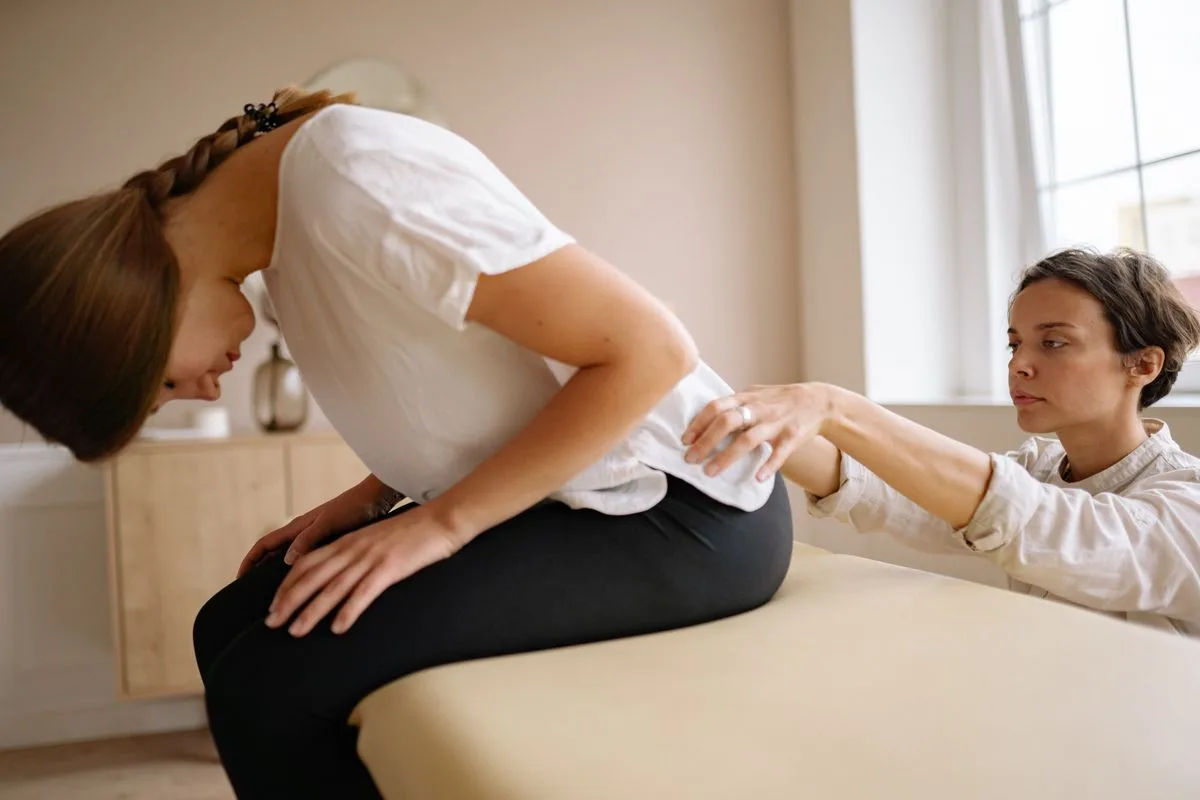
Therapist treating a patient for nerve pain at Ability Allies in Seacoast, NH
02How PT Helps

How physical therapy in Seacoast helps.

Calming nerve pain starts with finding exactly where a nerve is being compressed or irritated, because treating the wrong spot rarely helps. We use a thorough evaluation, including how your symptoms respond to specific movements and positions, to trace the pain back to its true source instead of just treating where it hurts. From there, we use manual therapy to release the muscles and tissue that may be compressing the nerve, combined with specific exercises that take pressure off the irritated area. Dry needling can reach deep muscular tension around an entrapped nerve when hands-on work alone is not enough. As symptoms ease, we rebuild the strength and mobility around the nerve so the compression does not return once you are back to your normal activities. Nerve tissue tends to heal slowly, so progress is not always a straight line, but most people notice their tingling, numbness, or burning easing steadily as the irritation calms and normal movement returns.

03What To Expect

What to expect from your recovery.

01

Assessment and symptom mapping

We trace your tingling, numbness, or burning back to its source using movement-based testing. You leave your first visit understanding which nerve is involved and what is likely compressing it.

02

Decompression and hands-on relief

We use manual therapy and targeted positioning to take pressure off the irritated nerve and calm the acute symptoms. This is where the burning and tingling typically start to fade.

03

Strengthening to prevent recurrence

We rebuild the strength and mobility around the affected nerve so the compression does not return once you are back to work, sport, or daily life.

In Their Words
Relief. I found relief here. Reverse lordosis with severe foraminal narrowing pinched the nerve, causing significant pain.
Christine C. · Nerve Pain · Google review
Your Next Step

From tingling and burning to relief.

Nerve pain care focuses on easing pressure on the nerve with manual therapy and dry needling, adds spinal manipulation when the spine is involved, then builds strength to keep symptoms calm.

We see patients for nerve pain at our Portsmouth, NH clinic, Dover, NH clinic, and Epping, NH clinic. No referral needed in New Hampshire.

Related Conditions

Pain rarely travels alone.

Request an Appointment

Ready when you are.

Epping HoursMon–Fri 8am–7pm, Sat–Sun Closed
Walk-insCall ahead
ClinicsPortsmouth · Dover · Epping
Book your evaluation. Same-week appointments available.
Step 1 of 6
First things first. What's your name?
We'll need a name to book you in.
Best number to reach you?
A phone number lets us confirm same-day.
And your email?
We'll send your confirmation here.
What questions do you have about your nerve pain?
A few words is all we need.
Which clinic works best for you?
Pick the clinic you'd like to visit.
Look right? Send it.
✓
Request received.

We'll call within business hours to lock in your time.

Book Now