(603) 770-0408 · 68A Fogg Rd
Ability Allies

IASTM in Seacoast

Contoured tools that find restrictions your hands can't feel, then break them up so tissue moves the way it is supposed to again.

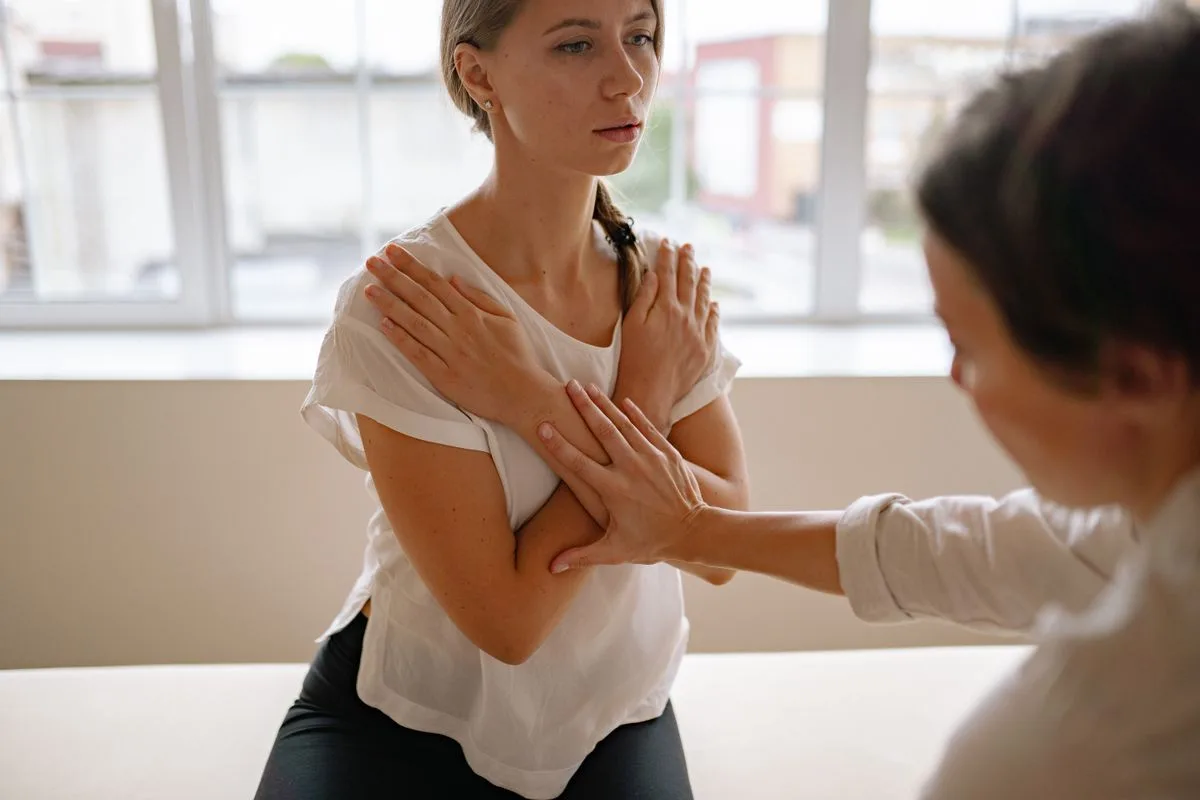
IASTM treatment session with a physical therapist at Ability Allies in Seacoast, NH
01What It Is

What is IASTM?

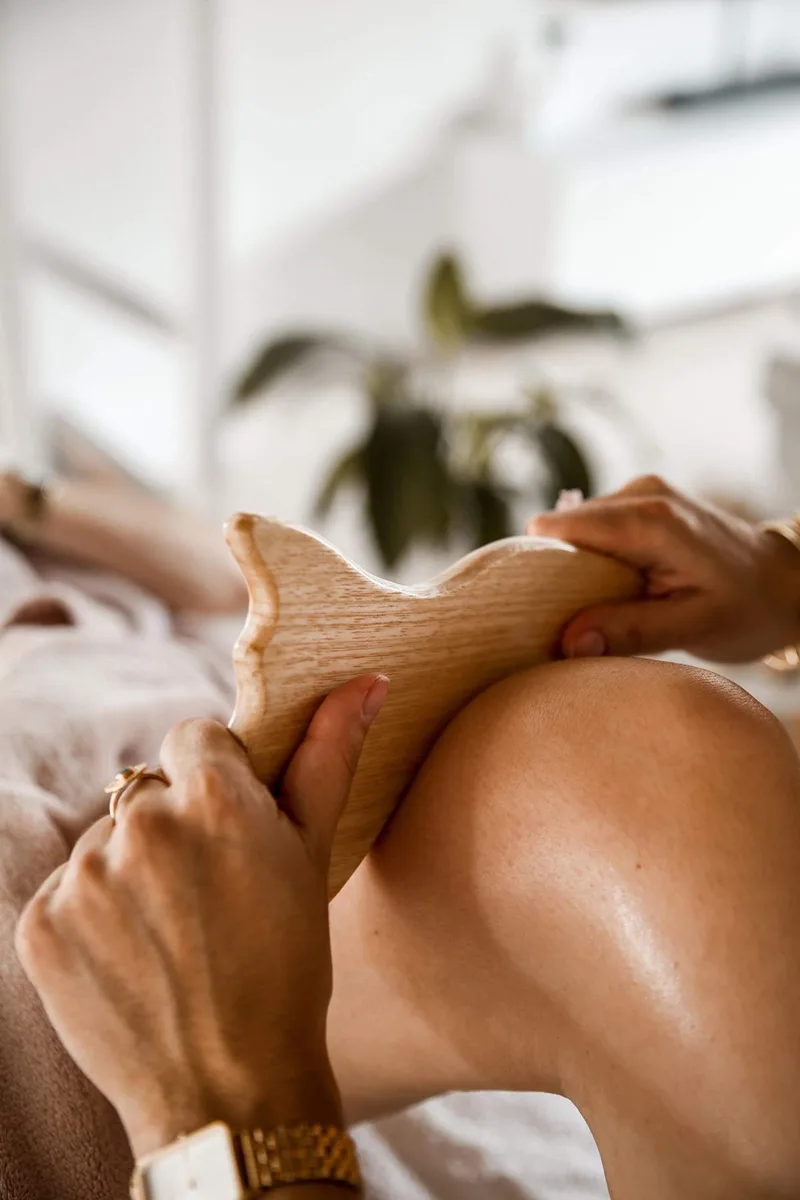
Foam rolling and stretching only go so far when the tissue underneath is genuinely stuck, and if you have hit that wall, you already know how frustrating it is to feel a spot stay tight no matter what you try at home. Instrument-assisted soft tissue mobilization, or IASTM, uses specially shaped tools, some rounded, some beveled, some concave, that a therapist glides across your skin over the muscle, tendon, or fascia underneath. The tool's edge does something a hand alone cannot: it amplifies the feedback the therapist receives, transmitting small vibrations and texture changes that reveal exactly where tissue has become fibrous, adhered, or restricted. Once that area is located, the therapist uses the instrument to apply focused mechanical pressure directly to it. That controlled stimulation triggers a localized inflammatory response, which sounds like a bad thing but is actually the mechanism that does the work, kicking off your body's natural repair process, breaking up disorganized tissue, and encouraging fresh blood flow into an area that has been stagnant. Because tools come in different shapes, a therapist can match the contour to the body part, a broad edge for a large flat muscle, a narrower edge for a tendon insertion, so the pressure lands precisely where it needs to.

The tool is only as good as the hands using it. Reading the subtle differences in tissue texture, and knowing exactly how much pressure and how many passes a given area needs, takes real training and repetition. A skilled therapist adjusts angle and force in real time based on how your tissue responds, which is what separates a treatment that actually resolves a restriction from one that just skims the surface. IASTM is almost always paired with stretching and strengthening afterward to make sure the new mobility sticks.
02Who It's For

Who it's for.

IASTM is for tissue that has become genuinely restricted, not just tired or sore. If stretching and foam rolling have plateaued, this often reaches what those tools cannot.

01

A stubborn spot that will not respond to stretching

You have stretched and foam rolled the same tight area for weeks with no change. IASTM detects and treats the deeper adhesion that a passive stretch simply cannot reach on its own, no matter how consistent you have been.

02

Restricted scar tissue after surgery or injury

Healing tissue often forms thicker and less flexible than what surrounded it before. IASTM breaks up that restriction directly, restoring the range of motion surgery or injury took from you in the first place.

03

Overuse buildup from running, lifting, or repetitive work

The same motion repeated thousands of times leaves fascia and muscle tighter and less pliable over time. IASTM addresses that cumulative buildup before it turns into a bigger overuse injury that sidelines you completely.

03What To Expect

What to expect in a session.

IASTM sessions are short and targeted, usually working into a larger treatment plan alongside exercise and manual therapy rather than standing alone.

01

Tissue assessment

Your therapist palpates the area, then glides the instrument across the skin to scan for texture changes that indicate restriction, adhesion, or fibrotic buildup beneath the surface of otherwise normal-looking tissue.

02

Instrument treatment

The therapist works the tool in specific strokes and directions over the identified area, adjusting pressure and angle based on how the tissue responds. Expect firm pressure, not sharp pain, throughout the treatment.

03

Movement and home care

You stretch and move the treated area right after treatment while the tissue is most responsive, then follow a short home routine of stretching or icing to support the changes between visits and sessions.

Safety note

Temporary redness, mild bruising, or soreness in the treated area for a day or two afterward is normal and expected. IASTM is not used over open wounds, active skin infections, or areas with a known blood clotting disorder, so tell your therapist about any of these before your session begins.

In Their Words
Ability Allies and my PT Cameron have exceeded expectations. I feel listened to as a patient. They are wonderful.
Zoe D. · Google review
Your Next Step

Loosen what is restricted, then load it.

IASTM includes techniques like Graston and ASTYM, combined with manual therapy and strengthening. Common reasons patients ask about it:

Ask about IASTM at our Portsmouth NH physical therapy clinic, Dover NH clinic, or Epping NH clinic. One-on-one care, same-week evaluations, and no referral needed in New Hampshire.

Explore More

Where to go next.

Request an Appointment

Ready when you are.

Epping HoursMon–Fri 8am–7pm, Sat–Sun Closed
Walk-insCall ahead
ClinicsPortsmouth · Dover · Epping
Book your evaluation. Same-week appointments available.
Step 1 of 6
First things first. What's your name?
We'll need a name to book you in.
Best number to reach you?
A phone number lets us confirm same-day.
And your email?
We'll send your confirmation here.
What questions do you have about your pain or injury?
A few words is all we need.
Which clinic works best for you?
Pick the clinic you'd like to visit.
Look right? Send it.
✓
Request received.

We'll call within business hours to lock in your time.

Book Now