(603) 770-0408 · 68A Fogg Rd
Ability Allies

Rotator Cuff Tear Treatment in Seacoast

A rotator cuff tear does not automatically mean surgery. Many tears respond well to the right combination of hands-on therapy and progressive strengthening, and one evaluation is how you find out which path is right for your shoulder.

01What Causes It

What causes rotator cuff tears?

The rotator cuff is a group of four small muscles and tendons that stabilize your shoulder through every reach, lift, and throw. When one of those tendons tears, whether suddenly or gradually over years, the shoulder loses the support it depends on for smooth, pain-free movement. Understanding whether your tear came from acute trauma or slow degeneration is what shapes whether therapy alone can restore your shoulder or whether it fits alongside other care.

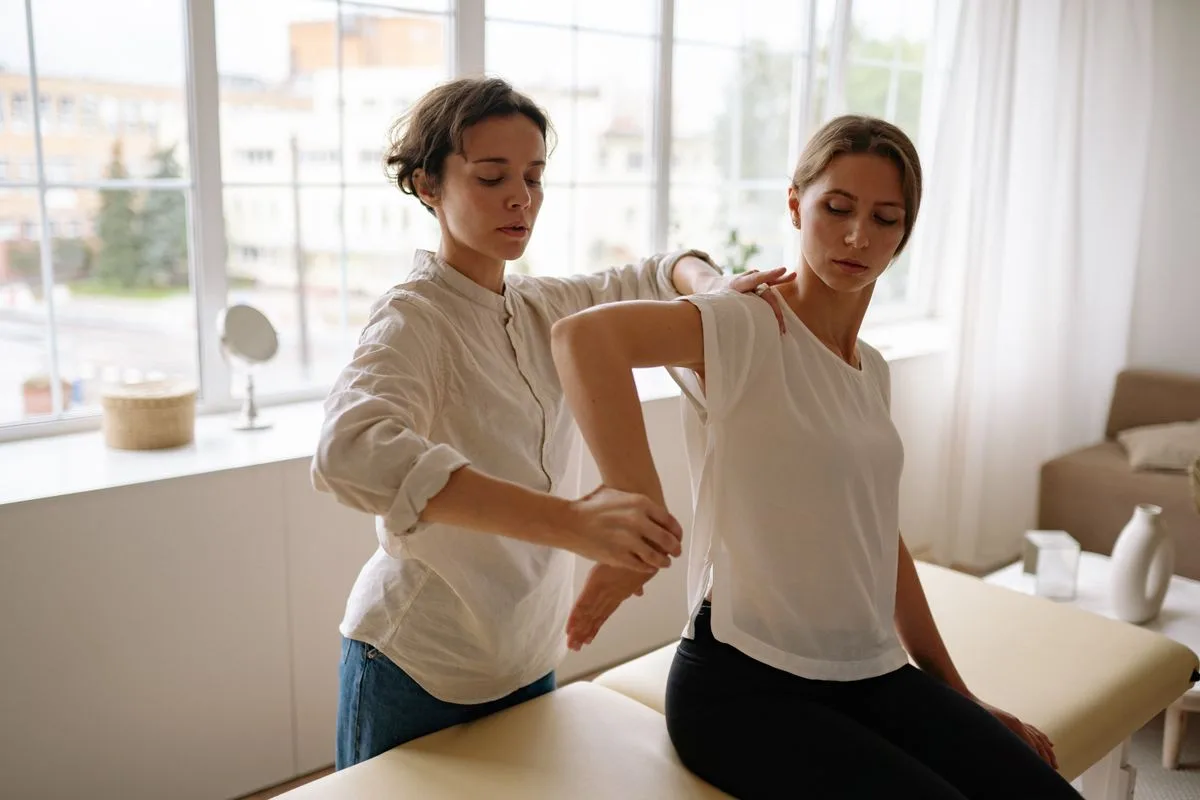
Physical therapist assessing a patient for a rotator cuff tear at Ability Allies in Seacoast, NH

Jobs and sports that involve constant reaching overhead, like painting, construction, swimming, or throwing sports, put the rotator cuff tendons through the same stressful position thousands of times. Over months and years, that repeated overhead loading can fray the tendon fibers, especially if the surrounding shoulder muscles are not strong enough to share the work.

Like any tissue, the rotator cuff tendons lose some of their blood supply and elasticity as you get older. That gradual degeneration means the tendon can tear with surprisingly little provocation, sometimes during an activity you have done a thousand times before without issue. This kind of tear often builds quietly for years before it becomes noticeable.

A fall onto an outstretched arm, a hard jolt while lifting something heavy, or a sudden jerking motion can tear a rotator cuff tendon all at once. These acute tears tend to come with sharp pain and immediate weakness, and they are different from the gradual wear-and-tear tears that build up slowly.

When the space between the shoulder blade and the upper arm bone narrows, the rotator cuff tendons can get pinched every time you lift your arm. Poor shoulder blade positioning and weak stabilizing muscles make that pinching worse over time, gradually wearing down the tendon until it frays or tears.

The rotator cuff does not work alone. It relies on the muscles around the shoulder blade to keep the joint properly positioned during movement. When those stabilizing muscles are weak or out of balance, the rotator cuff tendons absorb forces they were never meant to handle by themselves, accelerating wear and increasing tear risk.
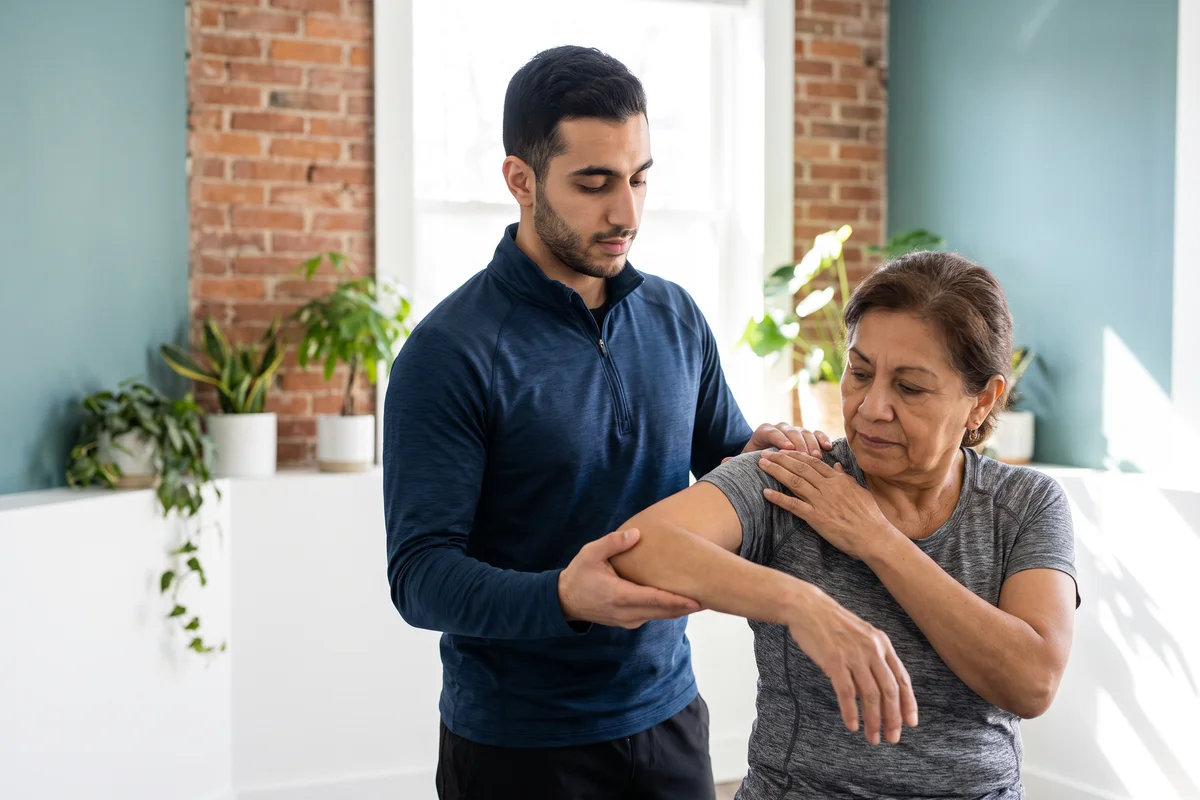
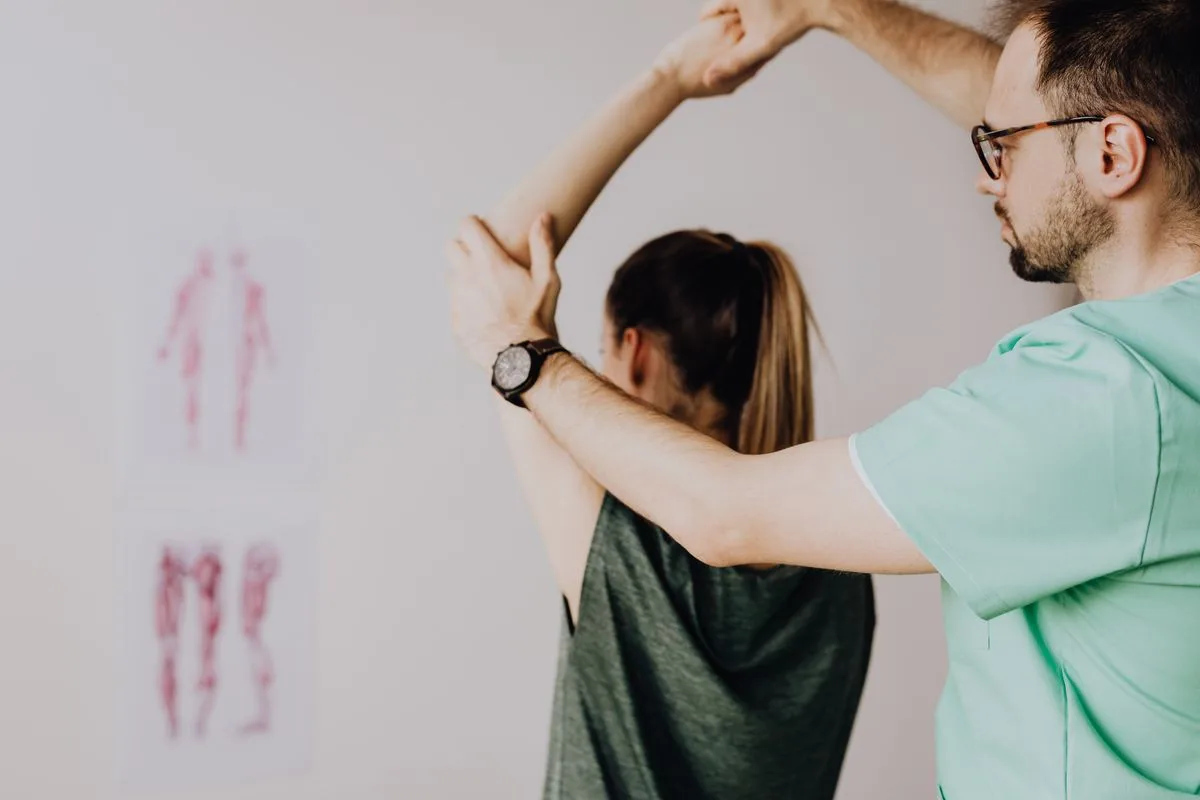
Therapist treating a patient for a rotator cuff tear at Ability Allies in Seacoast, NH
02How PT Helps

How physical therapy in Seacoast helps.

A rotator cuff tear does not automatically mean surgery. Many tears, especially partial ones and those from gradual wear, respond well to physical therapy that restores strength and proper mechanics to the whole shoulder, not just the injured tendon. Treatment starts by calming pain and inflammation through hands-on manual therapy, which also addresses the tight, overworked muscles that often surround a rotator cuff injury. From there, we focus on rebuilding the rotator cuff itself along with the shoulder blade stabilizers that share the load with it, since a strong, well-coordinated shoulder puts far less strain on a healing or vulnerable tendon. We also correct the movement patterns and mechanics that may have contributed to the tear in the first place, so the shoulder is not set up to re-injure itself. This is one-on-one care built around your specific tear, your goals, and how your shoulder responds session to session. The goal is a shoulder that reaches, lifts, and sleeps without pain, whether that is achieved through therapy alone or alongside a surgical repair.

03What To Expect

What to expect from your recovery.

01

Evaluation and pain reduction

We assess your shoulder's strength, range of motion, and movement pattern to understand exactly what your rotator cuff needs. Early sessions focus on calming pain and inflammation through manual therapy and gentle, guided movement.

02

Rebuilding strength and stability

We rebuild the rotator cuff and the shoulder blade stabilizers that support it, working within a pain-free range that expands as your shoulder gets stronger. This is the phase that determines how well your shoulder holds up long-term.

03

Return to full overhead activity

As strength and confidence return, we guide you back to lifting, reaching, and any sport or activity that matters to you, with mechanics that protect the tendon from re-injury going forward.

In Their Words
I can't recommend Ability Allies Physical Therapy enough! Natalie, Julia, and Cameron are an amazing team.
Michael A. · Rotator Cuff Tears · Google review
Your Next Step

From a rotator cuff tear to reaching overhead.

Rotator cuff care pairs manual therapy with progressive strengthening in physical therapy, and Active Release Technique or dry needling for tight surrounding muscles.

Choose the clinic closest to you: physical therapy in Portsmouth, physical therapy in Dover, or physical therapy in Epping. No referral needed in New Hampshire.

Related Conditions

Pain rarely travels alone.

Request an Appointment

Ready when you are.

Epping HoursMon–Fri 8am–7pm, Sat–Sun Closed
Walk-insCall ahead
ClinicsPortsmouth · Dover · Epping
Book your evaluation. Same-week appointments available.
Step 1 of 6
First things first. What's your name?
We'll need a name to book you in.
Best number to reach you?
A phone number lets us confirm same-day.
And your email?
We'll send your confirmation here.
What questions do you have about your rotator cuff injury?
A few words is all we need.
Which clinic works best for you?
Pick the clinic you'd like to visit.
Look right? Send it.
✓
Request received.

We'll call within business hours to lock in your time.

Book Now