(603) 770-0408 · 68A Fogg Rd
Ability Allies

TMJ/TMD Treatment in Seacoast

TMJ/TMD does not mean you have to live with jaw clicking, headaches, and pain every time you chew. Releasing the muscle tension around the jaw is often the key to lasting relief.

01What Causes It

What causes TMJ/TMD?

TMJ/TMD covers a range of problems affecting the joint that connects your jaw to your skull, along with the muscles that control chewing and jaw movement. Clenching, grinding, poor posture, and stress all place extra strain on this joint, which works constantly throughout the day whether you are eating, talking, or simply resting your jaw in a tense position. Because the jaw shares muscles and nerves with the neck and skull, the pain often radiates well beyond the joint itself.
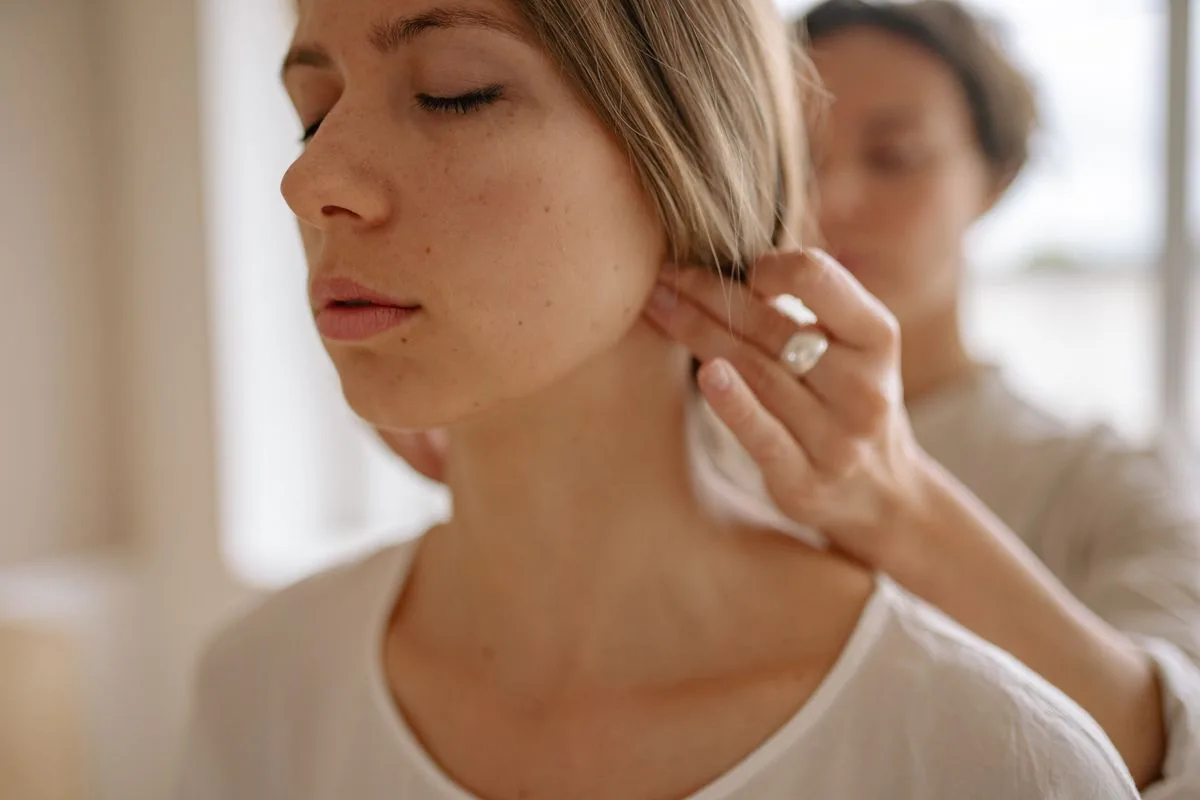
Physical therapist assessing a patient for TMJ/TMD at Ability Allies in Seacoast, NH

Grinding or clenching your teeth, whether during sleep or throughout a stressful day without noticing it, places sustained, repetitive strain on the jaw joint and the muscles that control it. This habit often happens unconsciously, which makes it easy to miss as the source of jaw pain, morning headaches, or tooth sensitivity. Addressing the muscle tension directly, alongside awareness of the habit itself, reduces the strain considerably.

Your jaw and neck share several muscles and work closely together with every movement of your head. A forward head posture or rounded shoulders changes how your jaw naturally sits and how your muscles have to work to close and open your mouth. Correcting neck and upper back posture is frequently an overlooked but essential part of resolving jaw pain and dysfunction.

The muscles that control your jaw are highly responsive to stress, tightening automatically as a physical response to tension you may not even be aware of. Over weeks, this chronic tightness restricts how far you can comfortably open your mouth and creates a constant, low-grade ache around the jaw and temples. Releasing this tension directly, alongside stress management strategies, addresses the problem at its source.

The small disc that cushions your jaw joint can shift out of its normal position, causing clicking, popping, or a locking sensation when you open or close your mouth. This does not always require surgery. Improving the mechanics and muscle balance around the joint often reduces or resolves the clicking and improves how smoothly the joint moves.

A previous injury to the jaw or face, even one that seemed minor at the time, can leave lingering stiffness, scar tissue, or muscle guarding around the joint. That protective tension does not always resolve on its own, and it can continue to limit jaw movement and cause pain years after the original injury has healed. Targeted manual therapy addresses this residual tightness directly.
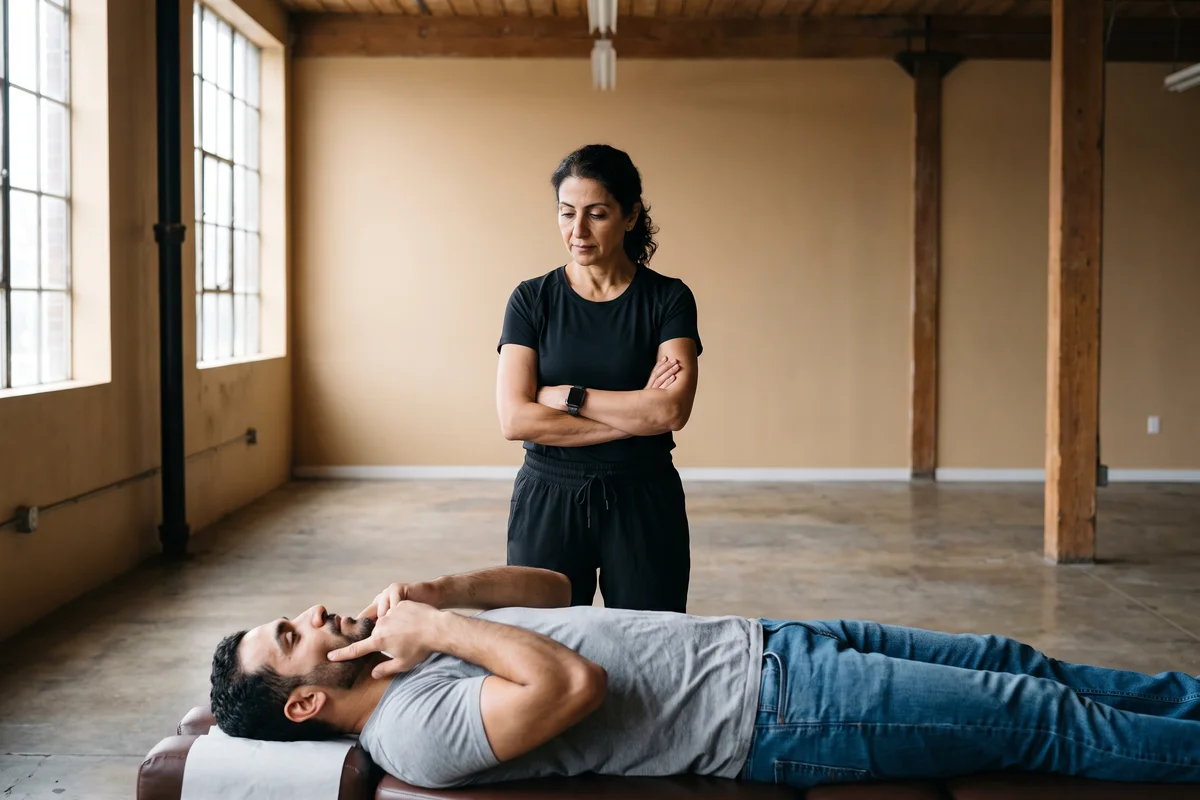
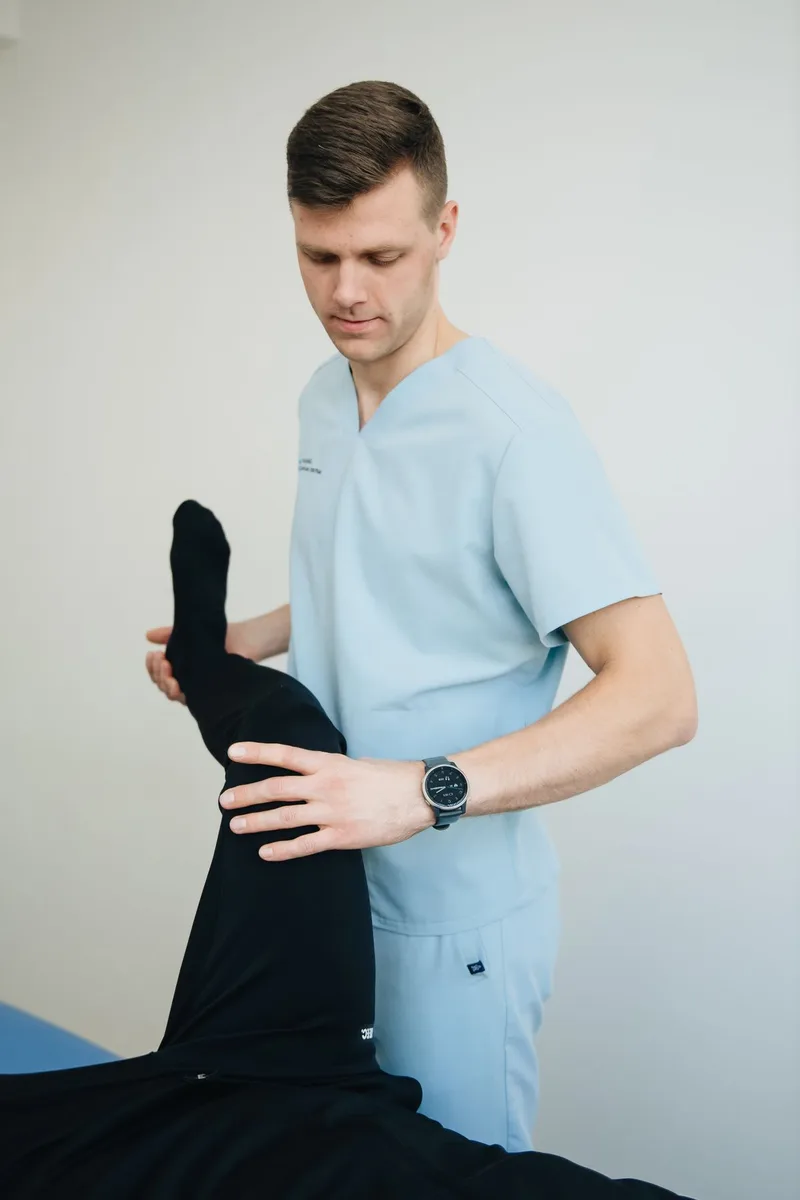
Therapist treating a patient for TMJ/TMD at Ability Allies in Seacoast, NH
02How PT Helps

How physical therapy in Seacoast helps.

TMJ and jaw dysfunction respond well to hands-on physical therapy because so much of the problem comes from muscle tension and joint mechanics we can directly influence. We start by assessing how your jaw opens and closes, where the muscles around your jaw, face, and neck are overworked or restricted, and whether posture or habits like clenching are contributing to the strain. Manual therapy releases the tight muscles around the jaw joint and the connected muscles at the base of your skull, which often reduces pain and clicking within the first few sessions. We also address the neck and posture, since the jaw rarely improves fully if the neck above it stays tight and pulled forward. From there, we teach you specific exercises to improve jaw mobility, correct movement patterns, and reduce clenching habits during the day and night. The goal is a jaw that opens comfortably, chews without pain, and no longer contributes to the headaches or facial tension that so often come along with it.

03What To Expect

What to expect from your recovery.

01

Assessment

We evaluate how your jaw moves, which muscles are tight or overworked, and how your neck and posture may be contributing. You leave understanding the real source of your jaw pain.

02

Release and mobility

We use hands-on therapy to release tight muscles around your jaw, face, and neck, easing clicking, pain, and the restricted opening that comes with TMJ dysfunction.

03

Habit correction and long-term relief

We teach you exercises and strategies to reduce clenching and grinding, correct your posture, and keep your jaw moving freely long after your sessions end.

In Their Words
My therapist, Dr Julia Miller, is so thorough and knowledgeable, I'm confident I'll reach my goals!
Karen M. · TMJ/TMD · Google review
Your Next Step

From jaw pain to a calmer bite.

TMJ/TMD care combines manual therapy, CranioSacral therapy, and dry needling for jaw and neck muscle tension.

Get evaluated for TMJ/TMD at our Portsmouth physical therapy clinic, Dover clinic, or Epping clinic. No referral needed in New Hampshire.

Related Conditions

Pain rarely travels alone.

Request an Appointment

Ready when you are.

Epping HoursMon–Fri 8am–7pm, Sat–Sun Closed
Walk-insCall ahead
ClinicsPortsmouth · Dover · Epping
Book your evaluation. Same-week appointments available.
Step 1 of 6
First things first. What's your name?
We'll need a name to book you in.
Best number to reach you?
A phone number lets us confirm same-day.
And your email?
We'll send your confirmation here.
What questions do you have about your jaw pain?
A few words is all we need.
Which clinic works best for you?
Pick the clinic you'd like to visit.
Look right? Send it.
✓
Request received.

We'll call within business hours to lock in your time.

Book Now