What causes orthopedic pain?
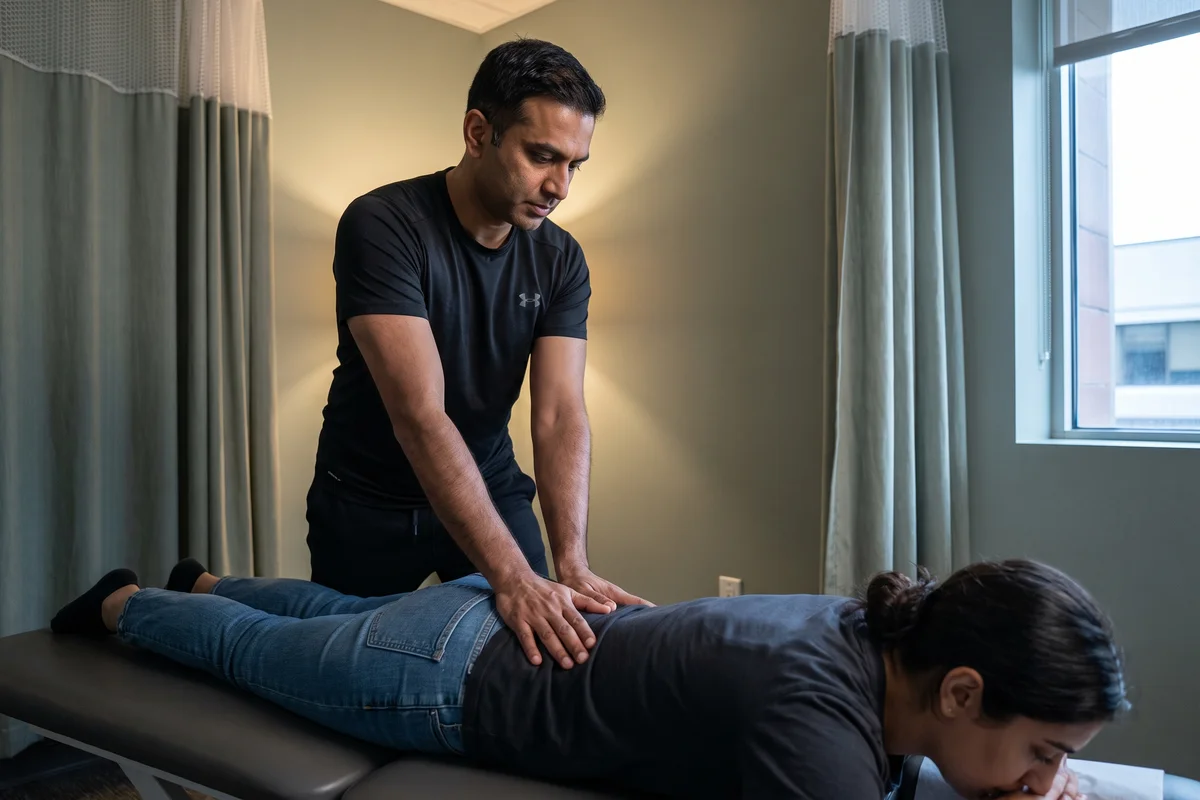
Orthopedic pain covers a wide range of problems in your bones, joints, muscles, tendons, and ligaments, and it rarely comes from just one thing. A fracture that healed with lingering stiffness, a joint that never regained full strength after an old injury, or years of repetitive strain can all show up as the same kind of ache. Getting an accurate picture of which structures are involved is what turns generic pain management into a real plan for lasting relief.
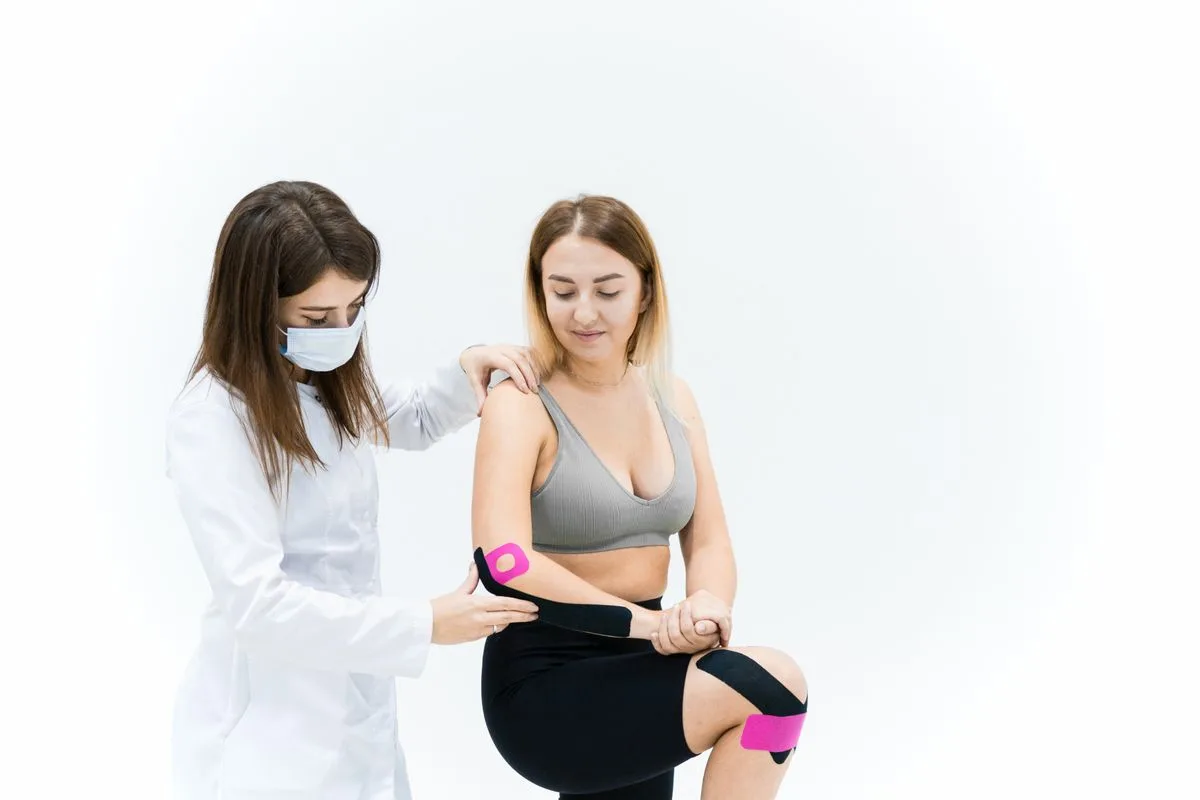
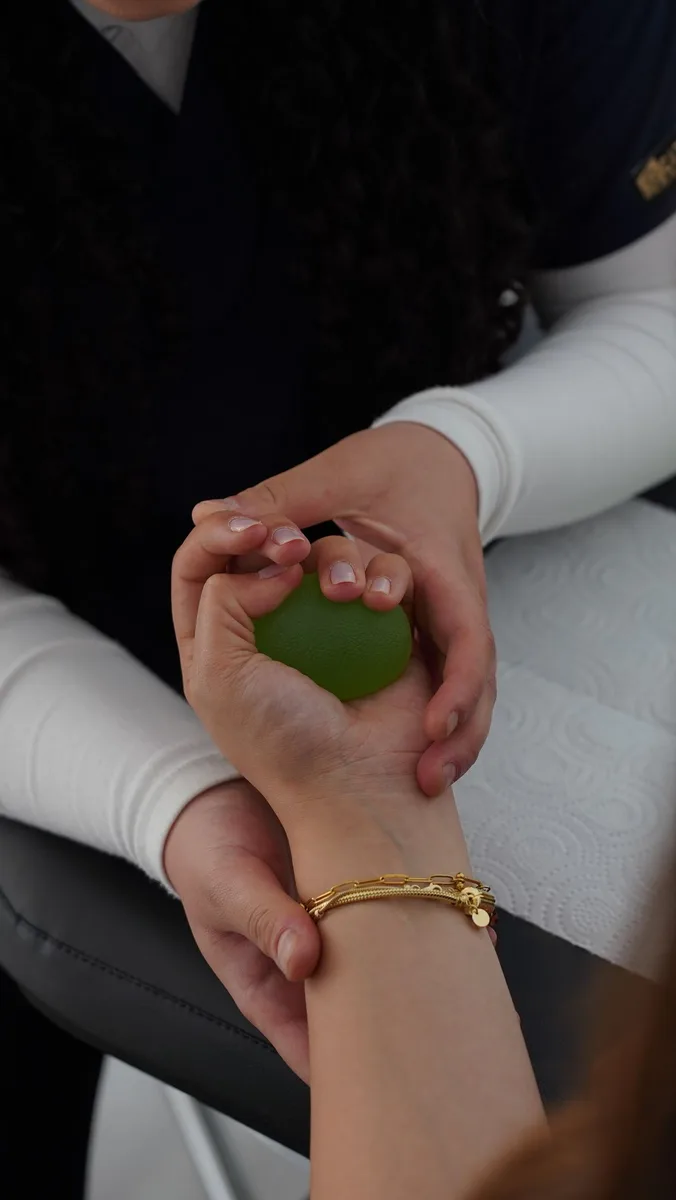
A broken bone that has healed on an X-ray does not mean the surrounding muscles and joint have caught up. Immobilization during healing causes real strength loss and stiffness that lingers long after the cast comes off. Without dedicated rehab, that weakness becomes a lasting limp or a joint that never quite moves the way it used to. Restoring strength and range of motion after a fracture is one of the most overlooked parts of orthopedic recovery.
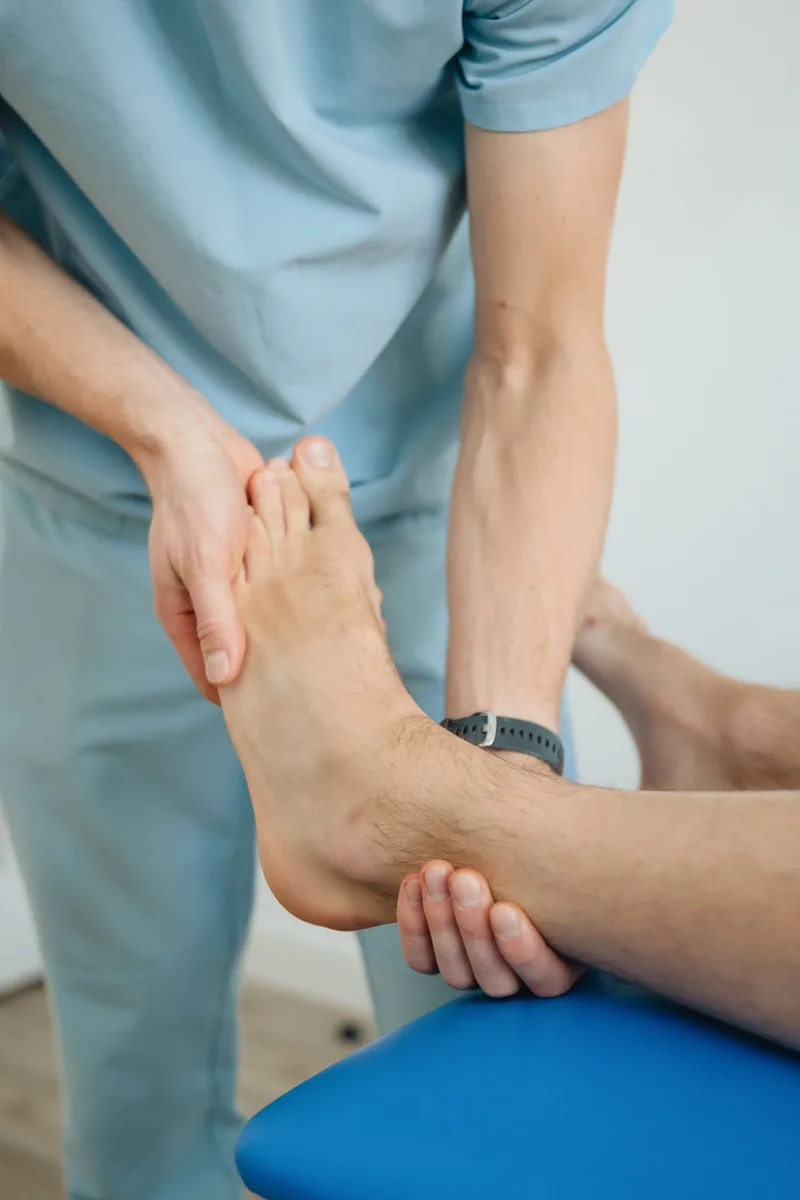
A sprain stretches or tears the ligaments that stabilize a joint, and even a mild one leaves that joint less stable if it is not fully rehabbed. Ankles, knees, and wrists are especially prone to this. The joint may stop hurting within weeks, but the stability and proprioception it lost often does not return without targeted work, which is why the same joint tends to get re-injured again.
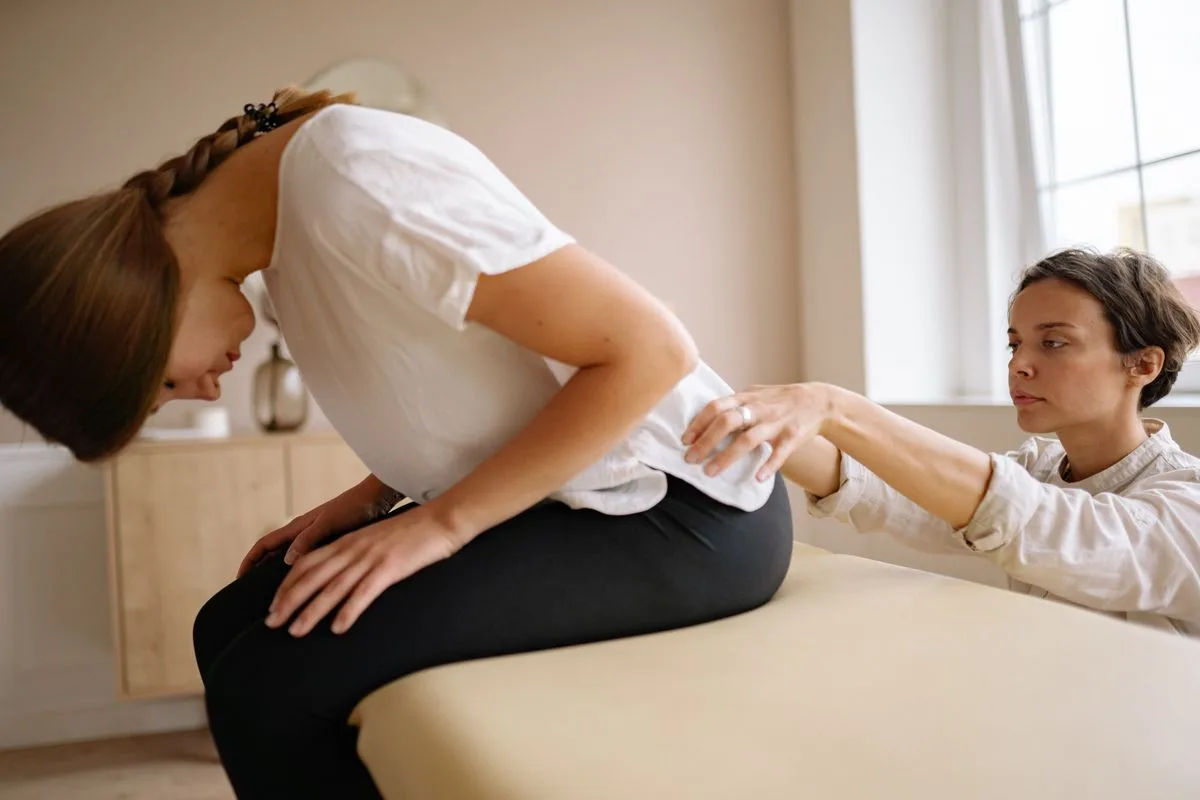
Doing the same motion repeatedly, whether at work, in sport, or around the house, gradually overloads a tendon, joint, or muscle group faster than it can recover. Pain builds slowly rather than from one specific moment, which makes it easy to ignore until it becomes constant. Identifying the repetitive pattern and building capacity in the overloaded tissue is the fix, not just resting until it flares up again.
An old injury on one side of the body often creates compensations that quietly overload the other side or a joint further up or down the chain. A previously injured knee that never regained full strength changes how you walk, which can load the hip or the opposite leg unevenly for years. Addressing the original weakness is often what resolves pain that seems to have shown up somewhere unrelated.
Wear and tear on bone and cartilage happens over decades and is a normal part of aging, not an automatic sentence of pain and disability. Strong, well-conditioned muscles around a joint absorb load and protect what cartilage remains. Building that strength, along with improving how you move, often reduces pain significantly even when imaging shows changes that cannot be reversed.