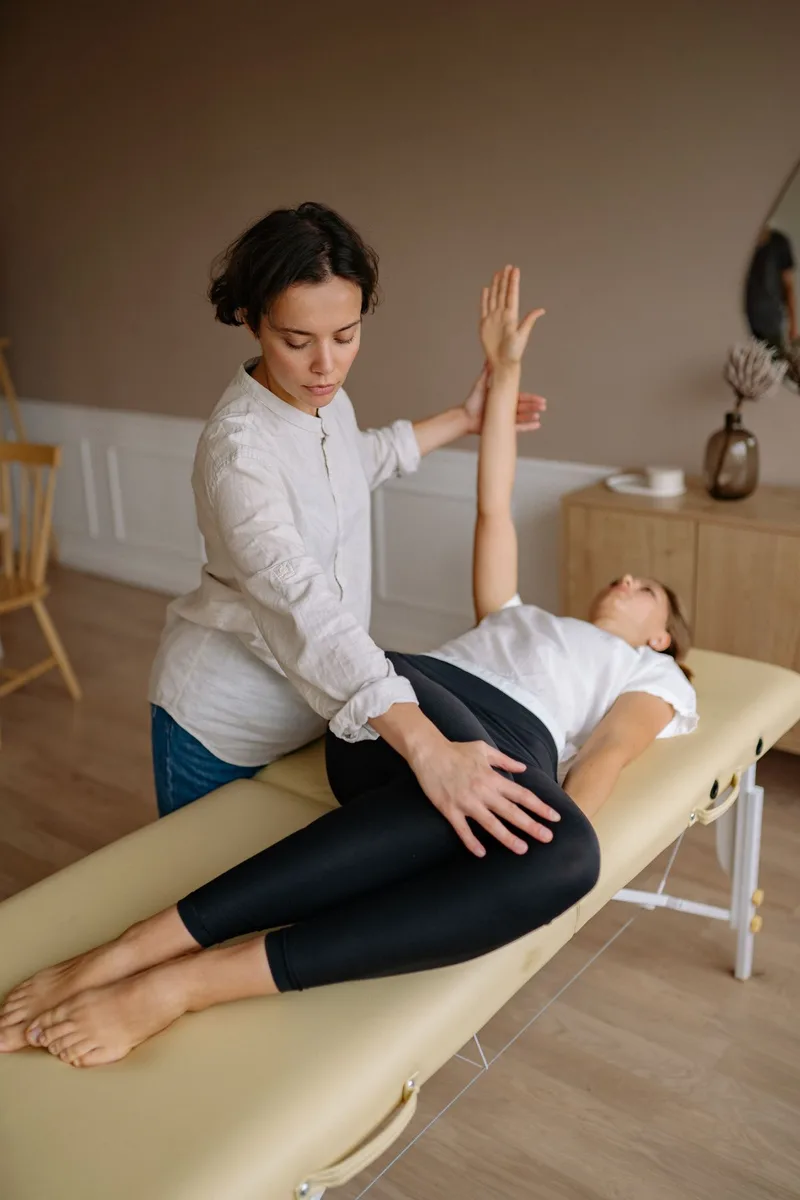
Living with Ehlers-Danlos syndrome can make everyday movement challenging. Joint instability, chronic pain, muscle tension, fatigue, and frequent injuries can interfere with work, exercise, and the activities you enjoy. When your body feels unpredictable, the right support makes a meaningful difference.
Ehlers-Danlos syndrome is a group of connective tissue disorders that can affect the body's collagen, often resulting in increased joint flexibility and instability. People with EDS may experience joint hypermobility, chronic pain, muscle tension, fatigue, balance difficulties, and recurring strains or sprains. Because EDS affects everyone differently, treatment at Ability Allies is personalized to your specific symptoms and needs rather than a generic protocol.
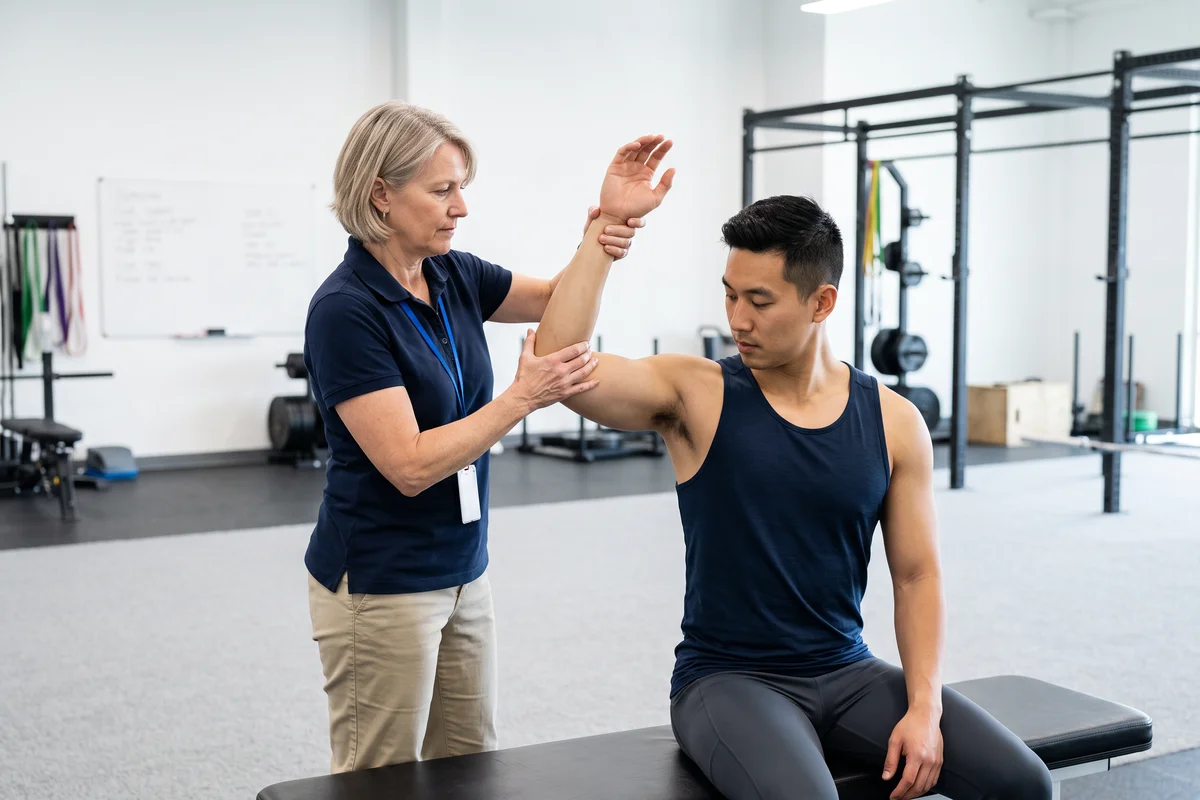
Yes. While physical and occupational therapy does not cure Ehlers-Danlos syndrome, a personalized program can help improve strength, joint stability, movement control, balance, and function while helping manage pain and reduce the risk of injury.
Exercises should be individualized based on your symptoms, joint stability, strength, and activity level. Treatment typically emphasizes controlled strengthening, stabilization, coordination, and functional movement rather than excessive stretching or pushing joints into their end ranges.
Yes. Targeted strengthening and neuromuscular training can help improve the muscular support and control around unstable joints. We develop exercises based on your specific areas of instability and functional goals.
The length of treatment varies depending on your symptoms, functional limitations, goals, and response to therapy. Because EDS is a long-term condition, some individuals benefit from ongoing exercise and self-management strategies even after completing formal therapy.
Building strength around hypermobile joints can improve support and control. Our customized exercises focus on strengthening the muscles responsible for joint stability while avoiding excessive stress or unnecessary movement into end ranges.
Learning how to move and position your body safely can help reduce strain on unstable joints. We teach practical strategies for improving body awareness, movement control, posture, and joint protection during everyday activities and exercise.
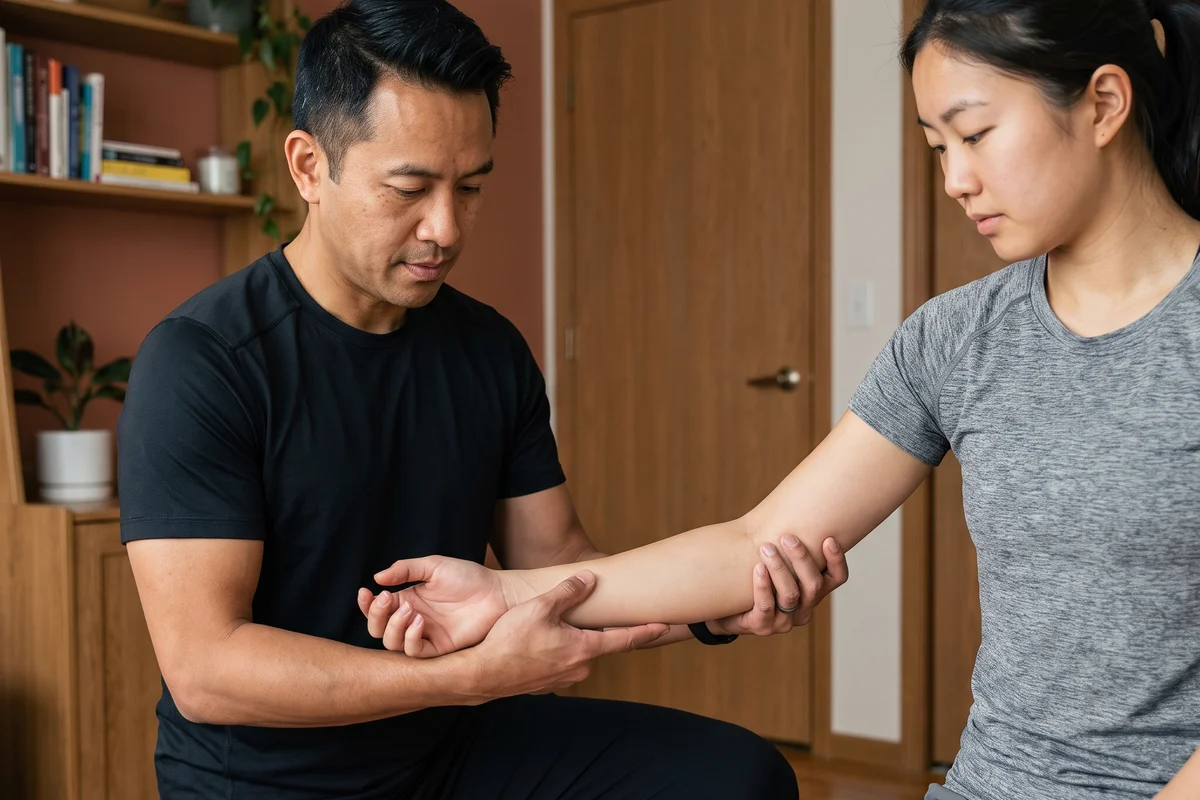
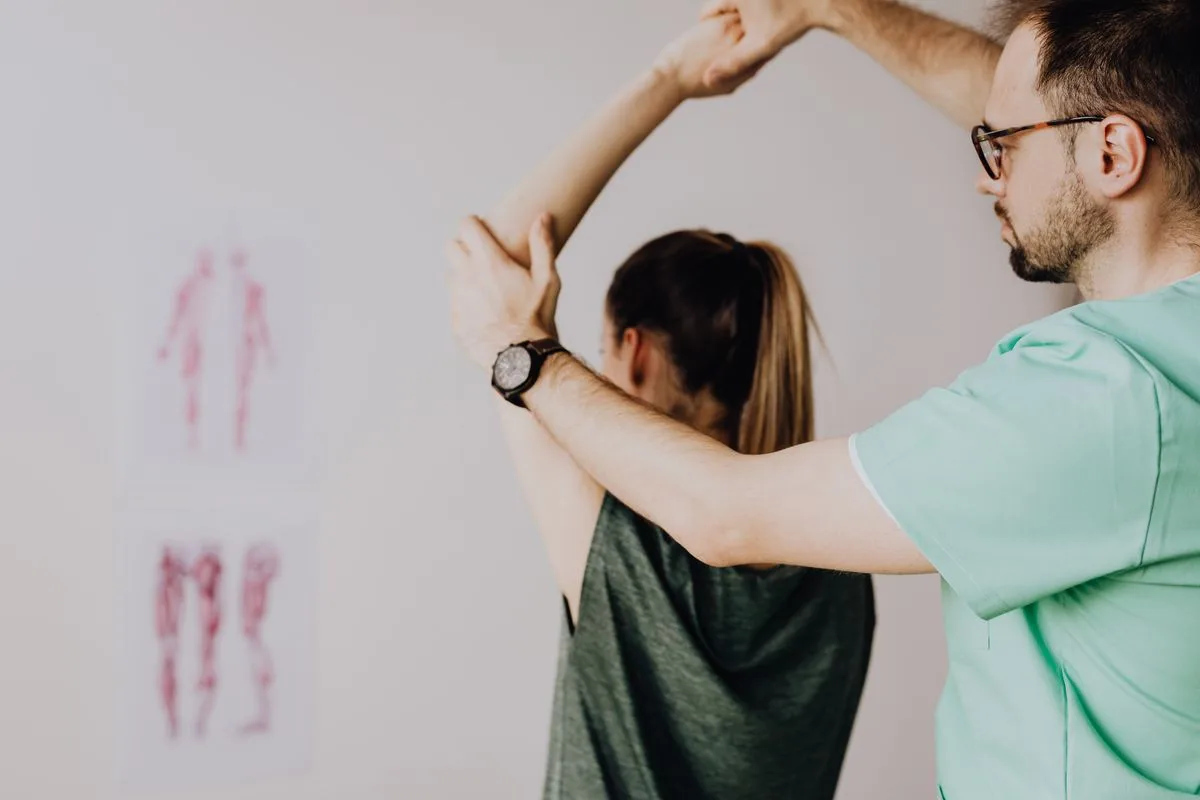
At Ability Allies, we understand that Ehlers-Danlos syndrome requires an individualized approach. Our therapists focus on improving strength, stability, coordination, and movement control while helping you manage pain and reduce unnecessary strain. Your program is carefully adjusted to your abilities, symptoms, and goals. You don't have to let EDS control how you move or limit the activities you enjoy. Our experienced therapists are here to help you build strength, improve stability, manage pain, and develop strategies for moving with greater confidence.
We evaluate your joint stability, strength, balance, and movement patterns to understand how EDS is affecting you specifically. You leave with a clear, personalized plan.
We build strength around your hypermobile joints and teach safer movement strategies for daily activities, using hands-on techniques where they help manage tension and discomfort.
Because EDS is a long-term condition, we help you build ongoing exercise habits and self-management strategies you can carry forward well beyond formal therapy.
The dedicated staff at Ability Allies takes their time to address your concerns and works with you to help you reach your goals.
EDS care blends physical therapy for joint stability and strength with occupational therapy for daily tasks, and gentle manual therapy where it helps.
Ability Allies has clinics in Portsmouth, NH, Dover, NH, and Epping, NH. Call (603) 770-0408 about Ehlers-Danlos syndrome and we will match you with the right therapist and location. No referral needed in New Hampshire.

Joint instability from EDS often overlaps with broader joint pain that responds to the same stabilization work.

Evidence-based strategies to manage the constant pain that can come with connective tissue disorders.

Balance difficulties are common with EDS. Targeted training helps rebuild stability and confidence.