Feeling unsteady on stairs, reaching for the wall, or worrying about your next fall can quietly shrink your world. Balance is trainable, and finding out why it has changed is the first step to feeling steady again.
Staying upright depends on three systems working together: your inner ear (the vestibular system), your vision, and the sensors in your joints, muscles, and feet that tell your brain where your body is, known as proprioception. Your brain blends that information and your muscles respond. When any link in that chain weakens, balance stops feeling automatic. Often more than one factor is involved, which is why a thorough assessment matters before any exercise program begins.
Conditions like BPPV, vestibular neuritis, or the lingering effects of a concussion can leave you dizzy or unsteady, especially when you turn your head, walk through busy places, or move in the dark. These usually respond well to vestibular therapy. If spinning or lightheadedness is part of your picture, read about dizziness and vertigo.
Strength in the hips, thighs, and ankles is what lets you catch yourself when you trip or misjudge a curb. Strength often drops after an illness, a surgery, or a less active stretch of life, and that loss shows up as unsteadiness. The encouraging part is that strength responds to training at any age.
Your feet and ankles constantly report what the ground is doing. When that feedback is dulled, for example by nerve changes in the feet, an old ankle sprain, or stiff joints, your body has less information to work with. Balance training helps you make better use of the information you do have, and we teach practical strategies when sensation is reduced.
After a fall or a near miss, many people start moving less and more cautiously. That is understandable, but moving less leads to less strength and less practice, which makes balance worse and falls more likely. Rebuilding confidence through safe, gradual practice is a real part of treatment, not an extra.
Some medications, blood pressure changes, vision problems, and other health conditions can affect balance. We work alongside your physician and will recommend you check in with them when something outside physical therapy may be contributing.
Loose rugs, poor lighting, stairs without rails, and getting in and out of the shower are common places for falls. Small changes to your environment and to how you do everyday tasks can lower your risk, which is where occupational therapy can help.

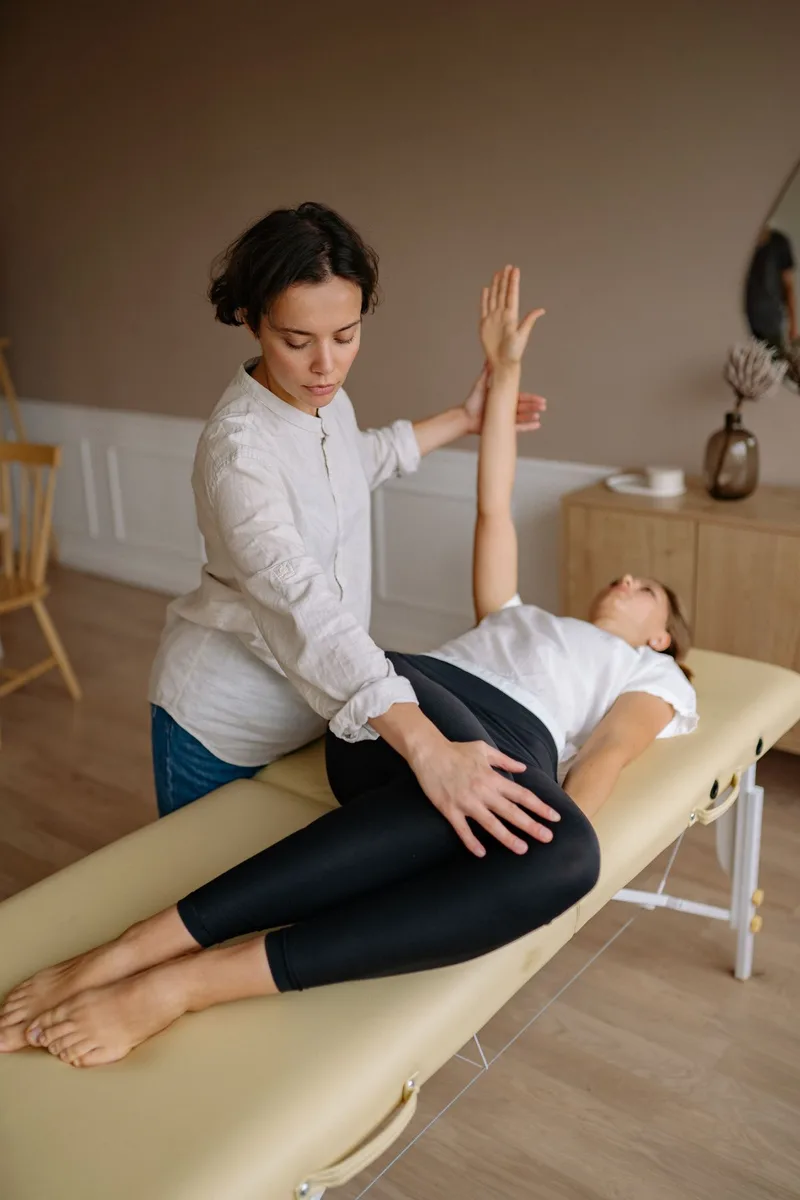
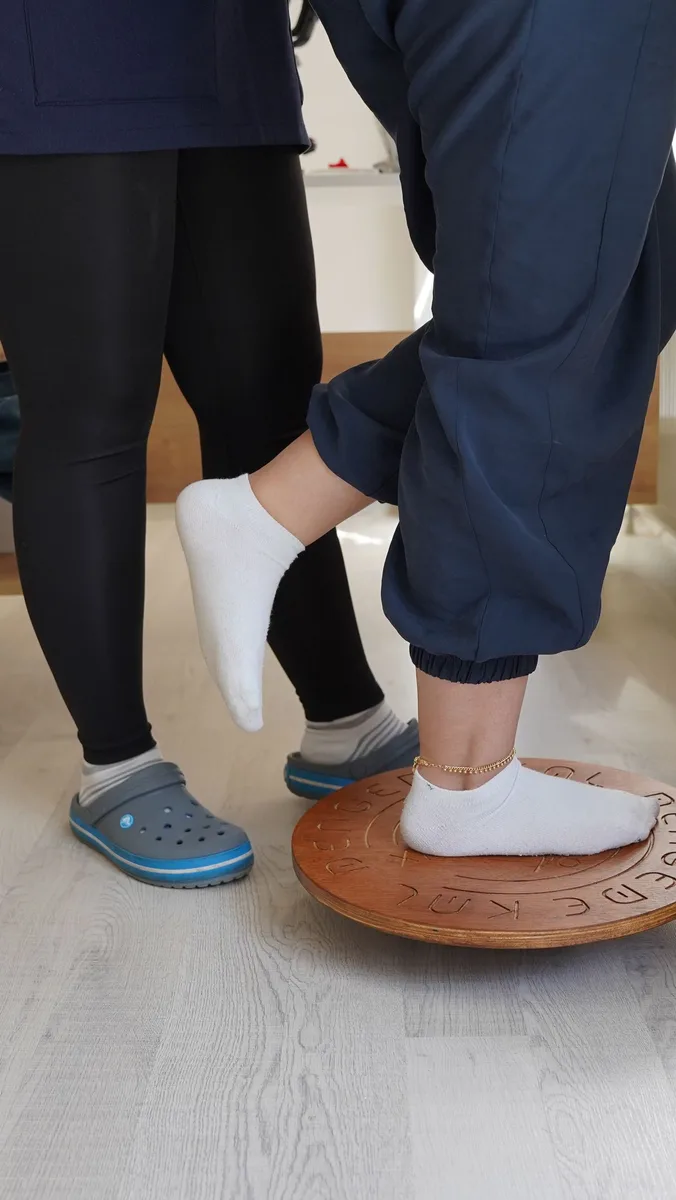
Balance care starts by finding which systems are contributing. We test strength, joint motion, walking, and how you respond when your balance is challenged, and, when dizziness is involved, how your inner ear and eyes are working together. If testing points to the inner ear, vestibular therapy may include repositioning maneuvers for BPPV, gaze stabilization drills, and habituation exercises. From there, physical therapy builds hip and leg strength, ankle mobility, and balance through exercises that become gradually more challenging: narrower stances, turning, uneven surfaces, and stepping and reacting. We practice the real situations you care about, such as stairs, curbs, and walking while looking around.
When everyday tasks or safety at home are the main concern, occupational therapy focuses on daily function, building the strength and coordination you need for routines like dressing and cooking and recommending home modifications or assistive devices for greater safety and independence. Every plan includes a home program, because balance improves with regular practice between visits.
We talk through any falls or near misses, what makes you feel unsteady, and your health history. Then we test strength, walking, and balance in different conditions to find what is actually driving the problem.
Exercises are matched to what testing found: vestibular exercises, strength work for the hips and legs, and balance drills that progress as you improve. Sessions stay challenging but safe, with your therapist close by.
We carry your training into the situations that matter to you, like stairs, uneven ground, and busy places, and you leave with a home program to keep your gains going.
Sudden dizziness or loss of balance together with weakness or numbness on one side, trouble speaking, facial drooping, a severe headache, double vision, or fainting needs emergency care: call 911. A fall where you hit your head, especially if you take blood thinners, should be checked by a medical provider right away. Physical therapy is for building steadiness once those causes have been ruled out.
Excellent professional care and attention to customer's concerns and recovery process.
Balance care combines vestibular therapy when the inner ear is involved, strength and balance training in physical therapy, and occupational therapy for home safety and daily tasks.
Ability Allies has clinics in Portsmouth, NH, Dover, NH, and Epping, NH. Call (603) 770-0408 about balance problems and we will match you with the right therapist and location. No referral needed in New Hampshire.

Inner ear problems are a common cause of unsteadiness. Vestibular therapy treats the source.

Migraine and neck-related headaches can come with dizziness and imbalance.

Stiff or previously sprained ankles reduce the feedback your balance depends on.