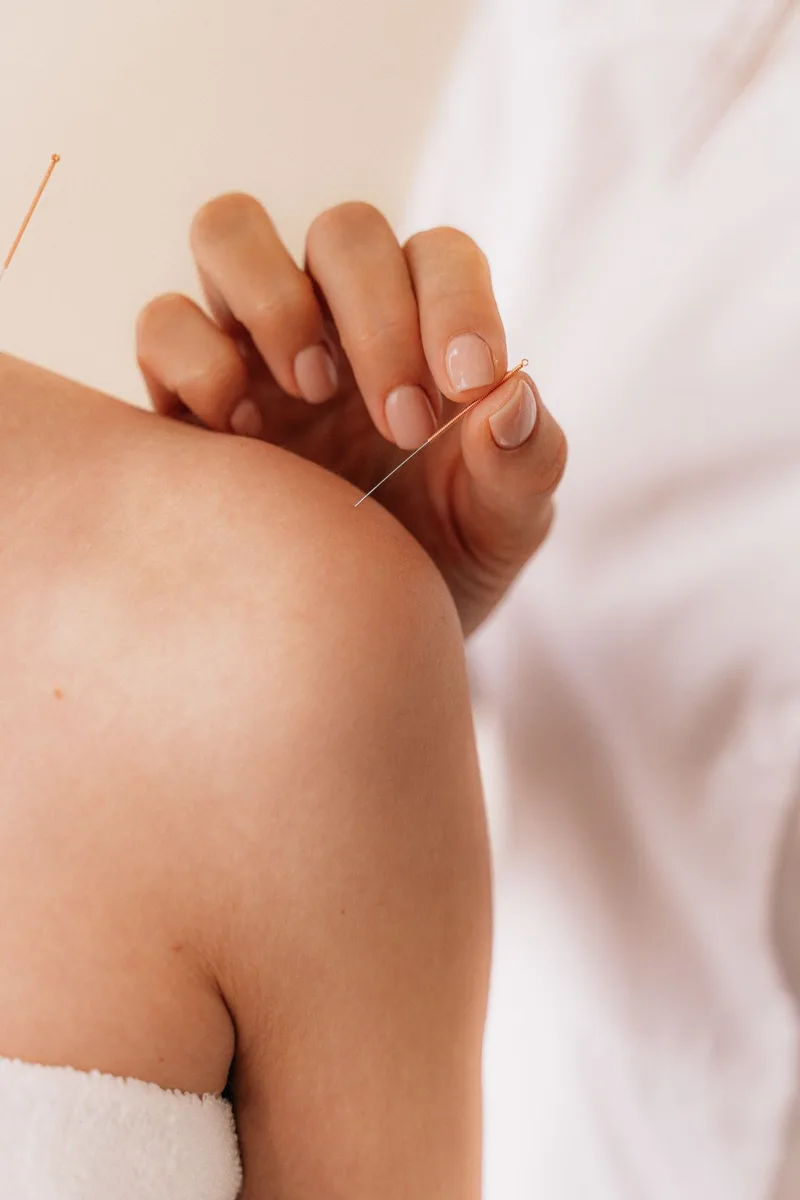
Specialized rehabilitation for the shoulder mobility, swelling, and strength changes that follow breast cancer surgery and treatment, guided by a therapist trained in oncology care.

Surgery and treatment for breast cancer leave more than a scar. Many women find their shoulder will not reach overhead the way it used to, that their arm feels heavy or swollen by the end of the day, or that their body simply does not move the way it did before their diagnosis. Breast cancer recovery therapy is physical therapy built specifically around the after-effects of breast cancer treatment: lumpectomy or mastectomy, lymph node removal, radiation, and chemotherapy. It addresses the restricted shoulder and chest mobility that comes from surgical scarring and protective guarding, manages the risk of lymphedema in the arm after lymph node surgery, and treats axillary web syndrome, a condition sometimes called cording, in which tight, rope-like bands of tissue develop in the underarm and down the inner arm after lymph node removal and limit how far the arm can extend. Postural changes from months of guarding and the general deconditioning that comes with treatment are addressed as well. Throughout, your therapist works within any precautions set by your oncology team, combining gentle scar mobilization, carefully progressed stretching, and graded strengthening to rebuild function without provoking swelling.
This work is performed by a therapist with specific training in oncology rehabilitation, and it is sometimes done alongside a certified lymphedema therapist when swelling management is a central concern. That training matters because tissue that has been irradiated or surgically altered responds differently than tissue that has not, and precautions around pressure, timing, and progression have to be respected. Equally important is an awareness of what this stage of recovery means for the person going through it, and care is delivered with that in mind at every visit.
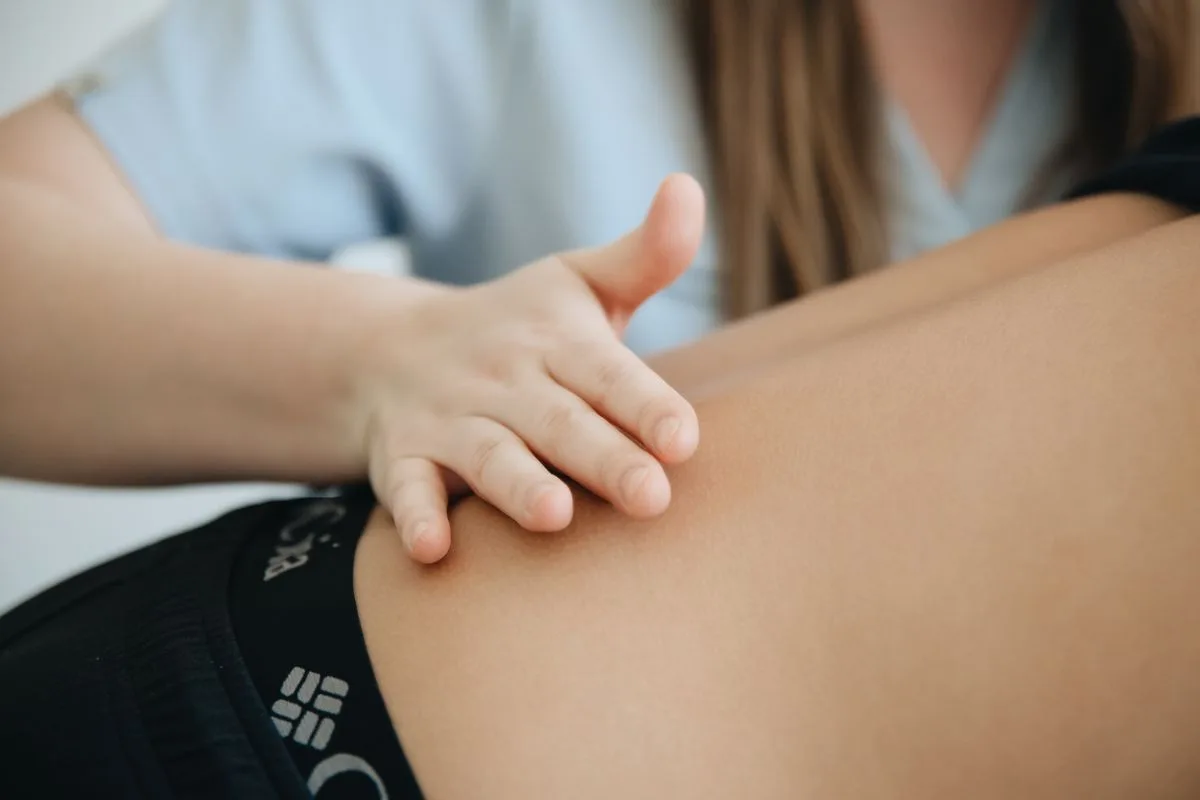
Breast cancer recovery therapy is for anyone navigating the physical after-effects of breast cancer surgery or treatment, at any stage from just after surgery to years into survivorship.
Reaching overhead, behind your back, or across your body feels tight or simply will not go the distance it used to. Scar tissue and protective guarding after mastectomy or lumpectomy are common causes, and gentle, guided mobilization can restore that motion. This restriction often develops gradually as the body naturally protects a healing incision, so many women do not notice how much range they have lost until they try to reach for something overhead.
A feeling of fullness, tightness, or visible swelling in the arm after lymph node removal can signal lymphedema risk. Your therapist teaches management strategies and monitors changes closely, working in coordination with your oncology team. Early attention to subtle changes in the arm is one of the most effective ways to keep swelling manageable over the long term.
A cord-like band of tissue in the underarm and down the inner arm, known as axillary web syndrome or cording, is a known after-effect of lymph node surgery. Gentle, specific stretching and manual work can ease the tightness and restore reach. This condition can appear weeks after surgery, sometimes catching patients off guard well after they believed their recovery was complete.
Every session is paced to where you are in your recovery. Treatment is gentle at first and builds gradually as your tissue heals and tolerates more.
Your therapist reviews your surgical and treatment history, checks range of motion, and assesses for any swelling or cording. This visit sets a clear, individualized baseline before any hands-on work begins.
Working within your tissue's tolerance, your therapist mobilizes surgical scars and guides careful stretching to restore motion, always progressing at a pace that respects healing tissue and any swelling precautions.
As mobility improves, strengthening is added gradually, along with education on swelling management and movement to continue at home between visits.
Share your surgical dates, any radiation history, and clearance from your oncologist or surgeon before starting. Let your therapist know right away about any new swelling, redness, or warmth in the arm so it can be addressed early.
I can't say enough great things about Ability Allies. From the moment I walked in, I felt welcomed and cared for.
Recovery often blends physical therapy, gentle manual therapy, and occupational therapy for daily tasks. Common reasons patients ask about it:
Ask about breast cancer recovery at our Portsmouth NH physical therapy clinic, Dover NH clinic, or Epping NH clinic. One-on-one care, same-week evaluations, and no referral needed in New Hampshire.

Hands-on joint mobilization and soft tissue work that pairs well with oncology rehabilitation.

Fine needles release stubborn muscle knots and calm pain, restoring motion when tight tissue holds you back.

Comprehensive approach to pain that often has a fascial component at its root.