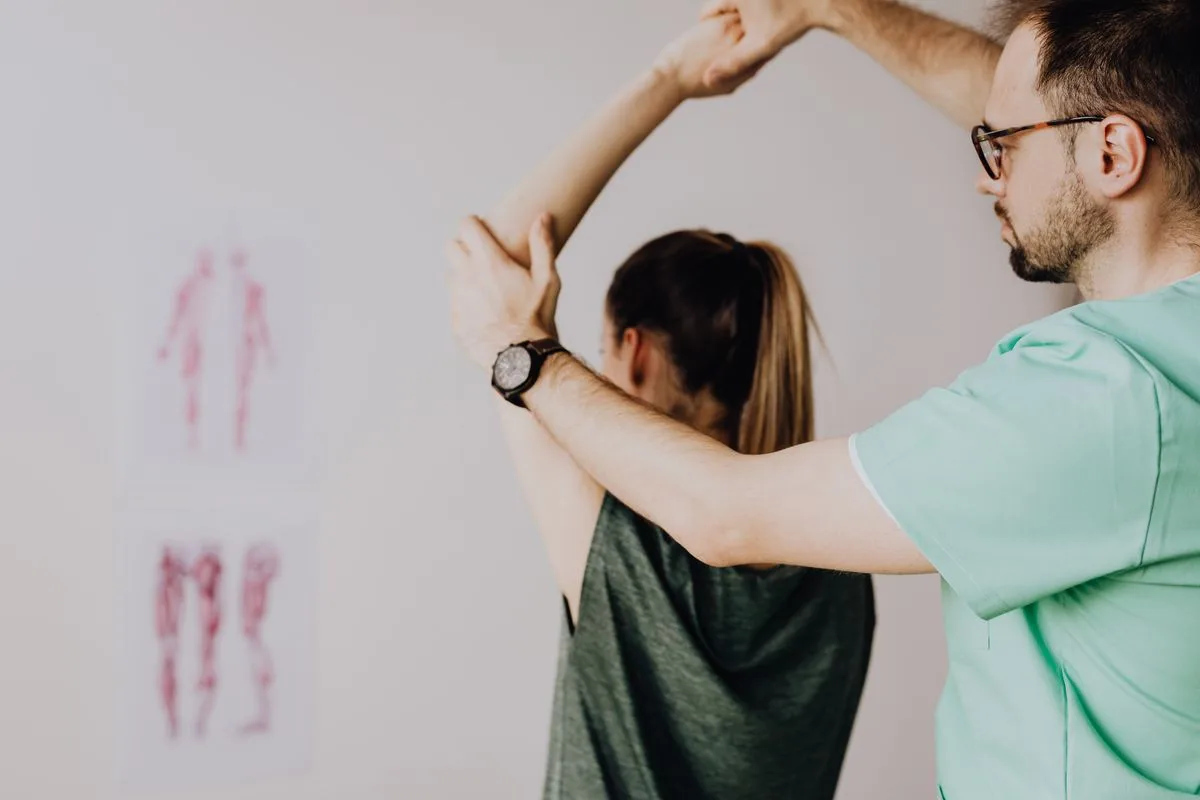
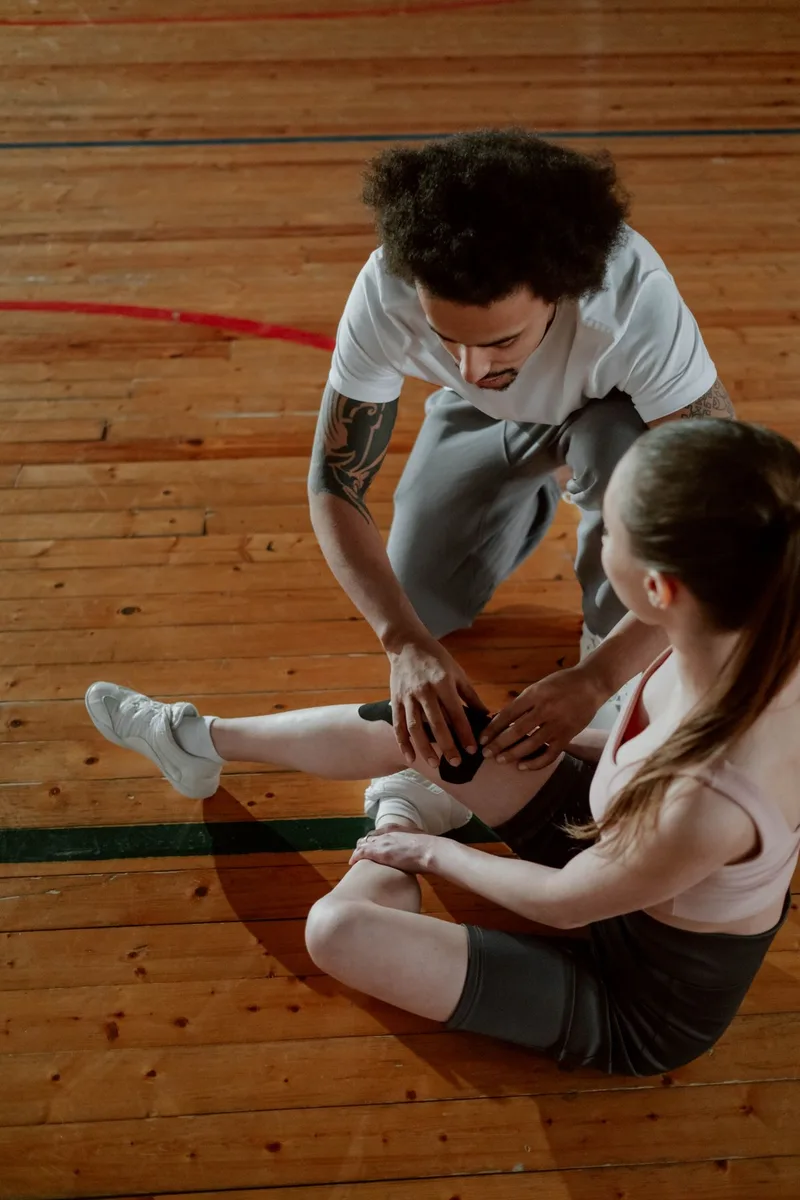
Pain after a car accident does not always show up right away, and it does not always show up on a scan. Whether it is whiplash, joint irritation, or lingering muscle strain, physical therapy treats the actual injury, not just the ache.
A car accident can injure the body in an instant, but the pain that follows often has more than one source. The sudden forces of a crash can strain muscles, irritate joints, and affect nerves all at once, even at low speeds and even when nothing shows up on an X-ray. Understanding exactly what was affected is what lets us build a recovery plan instead of just waiting for time to help.
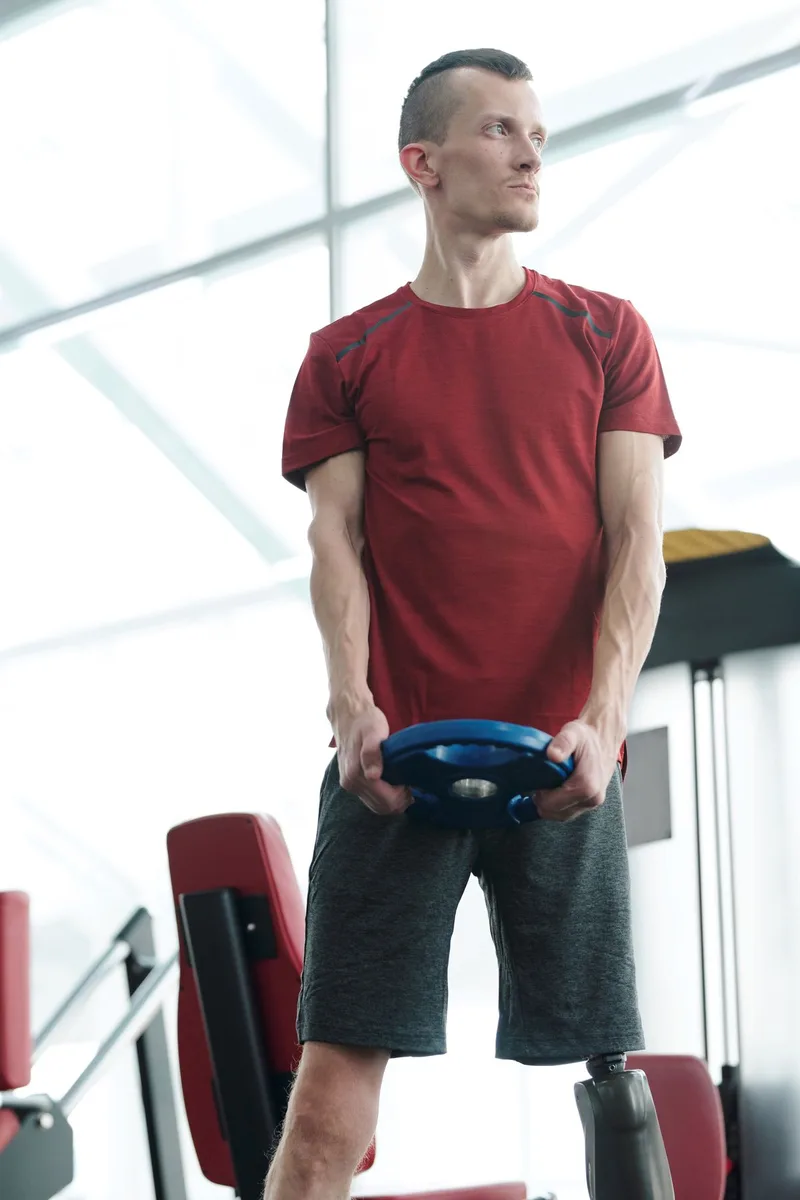
The rapid back-and-forth motion of a collision can strain the muscles and ligaments of the neck faster than they can brace for it. This is whiplash, and it can cause pain, stiffness, and headaches that show up hours or even a day or two after the accident. The delayed onset is normal, and it does not mean the injury is any less real or any less treatable.
Seatbelts and bracing against impact protect against more serious injury, but they also put sudden strain on the muscles of the back, shoulders, and chest. That strain often shows up as deep soreness, tightness, or pain with certain movements in the days following an accident. It responds well to hands-on therapy and a graded return to normal movement.
The jarring forces of a collision can irritate the small joints of the spine and extremities even when there is no fracture or structural damage. This kind of joint-based pain often gets missed on imaging because there is nothing to see on a scan, but it is a common source of ongoing stiffness after an accident.
Sudden compression or stretching of nerves during a crash can cause tingling, numbness, or pain that radiates away from the site of impact, such as down an arm or into a leg. Identifying whether symptoms are coming from a nerve, a joint, or a muscle is essential, because the treatment for each looks different.
After a frightening event like a crash, the body often holds tension as a protective response, even in areas that were not directly injured. That guarding can outlast the original injury and become its own source of stiffness and pain. Calming that protective tension is often just as important as treating the initial strain.
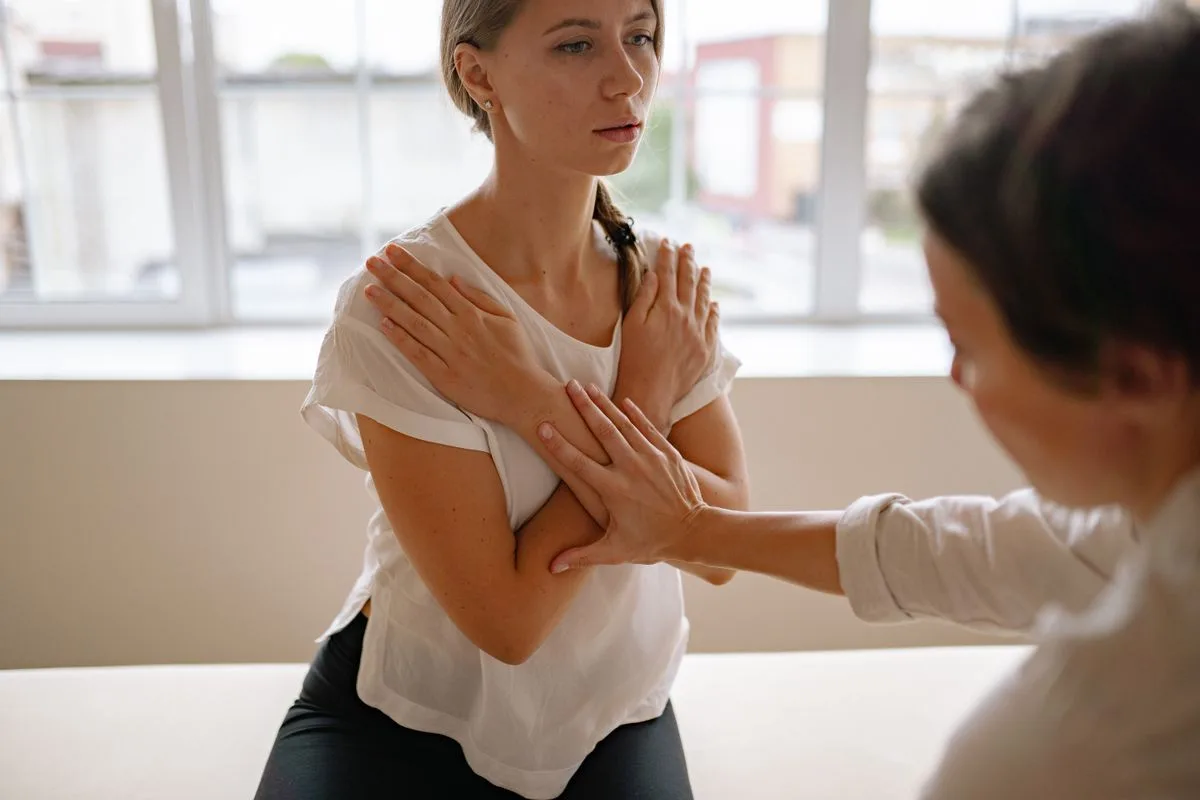
Recovering from a motor vehicle accident starts with a clear picture of exactly what was affected, because whiplash, joint irritation, nerve involvement, and muscle strain all need different treatment even when they show up as the same general ache. A thorough evaluation identifies the true source of your symptoms so treatment addresses the actual injury, not just where it hurts. Early sessions focus on calming pain and inflammation with hands-on manual therapy and gentle, guided movement, since staying still for too long after an accident often makes stiffness and guarding worse. As symptoms settle, we shift toward restoring full range of motion and rebuilding the strength that protects your neck, back, and shoulders from the same strain happening again. This is one-on-one care that adjusts to how your body is actually recovering, not a generic protocol handed to every accident patient. The goal is a full return to your normal activities, with your body moving the way it did before the accident, not just a reduction in pain.
We assess every area affected by the accident, from your neck to your back to any joints involved, and rule out anything needing further medical attention. Early treatment focuses on calming pain and inflammation with manual therapy and gentle movement.
As pain settles, we work to restore full range of motion and release the protective muscle tension your body has been holding since the accident. This is often where patients notice the biggest shift in how they feel day to day.
We rebuild the strength that protects your neck, back, and shoulders going forward, and guide you back to work, driving, and the activities the accident interrupted, with a body that moves confidently again.
Ability Allies treatment was a great experience all around. They really look at the causal issues of your pain.
After a car accident, care often includes manual therapy, dry needling for guarded muscles, and progressive physical therapy to rebuild strength in the neck and back.
Choose the clinic closest to you: physical therapy in Portsmouth, physical therapy in Dover, or physical therapy in Epping. No referral needed in New Hampshire.

Shoulder dysfunction often contributes to elbow, wrist, and hand pain. We treat the whole chain.

Stiff or painful joints in the wrist and hand limit grip and mobility. We restore mechanics and strength.

Throwing and racquet sports stress the elbow and wrist. We rehab the injury and prevent recurrence.